



الصفحة 2
الصفحة 2

Nitrogen therapy
Cryotherapy: is a surgical method using the application of low temperatures to living tissue, resulting in tissue destruction. It is an extremely valuable alternative to more invasive surgical option because of its cost effectiveness, excellent aesthetic results, and rapid delivery. With proper training, common skin diseases can be treated in a variety of settings, such as ambulatory surgical areas, doctors' offices, and nursing homes.

Nimesulide - Actions and Uses
Nimesulide is a non-steroidal anti-inflammatory drug (NSAID) which acts as a cyclooxygenase- 2 inhibitor but also has other novel pharmacological features which account for its effect in the control of pain and inflammation. It has become a leading NSAID in over 50 countries worldwide. This book provides a comprehensive and fully up-to-date critical review of the published literature on nimesulide, including comparisons with anti-inflammatory, analgesic and antipyretic agents. The emphasis is on the action of nimesulide in relation to its therapeutic and side effects in comparison with other established NSAIDs, including the new class of Coxibs.
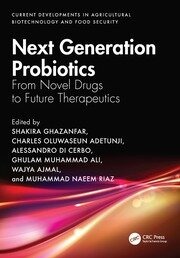
Next generation probiotics from novel drugs to future therapeutics
Provides a comprehensive and cutting-edge exploration of probiotics as powerful therapeutic agents. With the rapid advancements in the field, this book offers a deep dive into how probiotics are evolving beyond traditional uses, addressing complex health conditions and diseases in modern medicine. By combining the latest scientific research with practical applications, this book equips researchers, clinicians, and healthcare professionals with the knowledge needed to incorporate probiotics into clinical practice and future therapeutic strategies.

New Frontiers in Angiogenesis
New Frontiers in Angiogenesis starts with a comprehensive overview of the field and continues with topics that have been minimally explored. The topics deal with dynamics of vasculogenesis using imaging techniques, bone marrow-derived endothelial cell precursors as potential therapeutic tools, regulation of post-angiogenic vessel regression, vascular mimicry, design and construction of artificial vessels, bioengineering of angiogenesis, and lymphangiogenesis recapitulating angiogenesis in health and disease states. Each chapter is written by leading experts of the subjects. It is hoped that this volume will challenge all of us interested in the field of angiogenesis and cardiovascular biology, in particular those in academia and industries, to think "outside the box" and explore angiogenesis from a fresh angle. It is hoped that New Frontiers in Angiogenesis is thought provoking and serve as a road map for discovering new findings to help betterments of human health.

New experiment therapies for old disease
Mucorales are fast-growing thermotolerant fungi that are ubiquitous in the environment. They have a worldwide distribution and are commonly found in decaying organic material or agricultural and forest soils (1). Mucormycosis is a group of mould infections caused by fungi in the class previously known as Zygomycetes now renamed Mucormycetes (2).

New Age herbals : Resource, quality and pharmacognosy
Importance of herbs (medicinal plants) can hardly be overemphasized. They are exploited for manyfold applications, ranging from phytopharmaceuticals, to nutraceuticals, to cosmetics and many others. Keeping in view the richness of herbs and their vast potential, this book collates the most up-to-date knowledge of important herbs and herbals. The book also gives an overview of some issues causing hindrance in the promotion of herbals. This book attempts to compile the rich experience of experts working on various herbs. New age single plant species, having multiple medicinal traits worth exploiting i.e. Hippophae rhamnoides (seabuckthorn), and Morinda citrifolia (noni) also find place as full chapters in the book.

Neurotransmitter Interactions and Cognitive Function
Cognitive function involves the participation of many different neurotransmitter systems in a variety of brain areas. The centerpiece of investigation regarding cognitive function has classically been the cholinergic system, but it has become increasingly clear that other transmitter systems interact with cholinergic systems to provide the neural basis for cognitive function. This book brings together cutting edge research to determine how the transmitter interactions form the mechanistic bases for attention, learning and memory. This research on transmitter interactions not only provides a more accurate, though complex, picture of how the brain works to provide cognitive function, it also provides important new levels of understanding about the mechanisms of cognitive dysfunction and novel avenues for therapeutic treatment. The researchers who contributed to this volume both reviewed the latest findings but also point to the directions of advancement of the field of neurotransmitter interactions and cognitive function.

Neurocutaneous disorders : A clinical, ciagnostic and therapeutic approach
Provides extensive data on the more common and many of the more rare congenital and hereditary syndromes that manifest in the nervous system and skin. Though often complex and multi-systemic, these disorders can frequently be diagnosed using a combination of simple visual inspection and sound clinical expertise. Drawing on fully referenced information from thousands of articles, the international editorial team has prepared a comprehensive overview that includes historical perspectives, clinical features, the pathogenesis, and diagnostic and therapeutic strategies. In addition, it addresses the biochemical, molecular, and genetic basis of the disorders.

Neuroblastoma
Neuroblastoma is a medical enigma. As a childhood neoplasm arising from neural crest cells, it is characterized by diverse clinical behaviors ranging from spontaneous remission to rapid tumor progression and death. Although clinical outcome can be predicted to a large extent by the stage of disease and the age at diagnosis, an in-depth understanding of its clinico-pathological behavior, now greatly aided by sophisticated molecular genetic profiling, will improve diagnostic precision and refine risk-based therapies. Comprehensive international efforts have advanced our understanding of tumor biology and improved the clinical management of children with neuroblastoma. This book reviews our current understanding of the genes and biological pathways that contribute to neuroblastoma pathogenesis, modern risk-based treatment approaches for these patients, and recent advances in biologically based therapy. It provides a concise up-to-date reference for practitioners, students, and researchers.

Neuroactive Steroids in Brain Function, Behavior and Neuropsychiatric Disorders : Novel Strategies for Research and Treatment
Over the past few decades the involvement of neurosteroids in brain function and mental health has attracted much interest, not only from a neuroscience perspective, but also from clinical and therapeutic aspects. In recent years, much of the research has focused on the multifunctional position of neurosteroids in the nervous system. The areas that have been explored, in particular, are the cellular and molecular mechanisms involved in the activity of neurosteroids in the brain, the role of neurosteroids in brain development, neurodegeneration and neuroplasticity, and their pharmacological properties. The large increase in the number of publications highlights this amplified interest in neurosteroids. Over the last 7 years at least 400 papers have been published describing the putative role of neurosteroids in the modulation of basic brain function and in the etiology and treatment of psychiatric and neurological disorders.

Neuroacanthocytosis Syndromes II
Awareness of neuroacanthocytosis disorders has increased significantly in recent years. There have been a number of important developments in the field since the publication of the first volume, Neuroacanthocytosis Syndromes. This book contains the latest research in this area. Recent advances have identified the range of mutations in the causative genes, shedding light on potential phenotypegenotype correlations. Studies of the proteins affected in these disorders have resulted in increased understanding of their functions and distribution. In vitro studies have identified potential protein interactions, which have important implications for pathophysiology. Work on erythrocyte membranes suggests mechanisms for the generation of acanthocytes. Animal models are being generated which will greatly facilitate understanding the role of gene mutations in humans, and provide the foundation for possible therapeutic interventions. In addition, advances in other neurodegenerative disorders, such as Huntington’s and Parkinson’s diseases, have implications for neuroacanthocytosis.
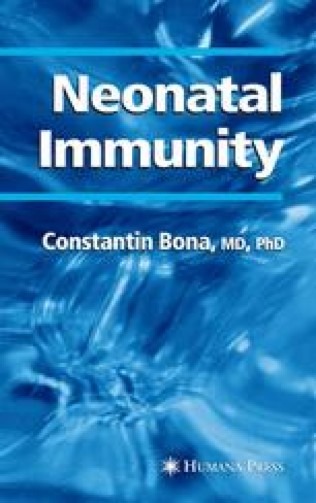
Neonatal Immunity
New advances in cellular immunology, molecular biology, recombinant DNA and proteins, and the function of cytokines and chemokines have revolutionized the study of neonatal immune responsiveness. In Neonatal Immunity, Constantin Bona, MD, critically reviews the classic, as well as most recent-and quite seminal-findings concerning the phenotypic and molecular characteristics of both fetal and neonatal B and T cells, the cells that mediate antibody and cellular immune responses in newborns and infants. Dr. Bona shows how the antibody response of neonates is modulated by maternal antibodies and how, in certain cases, this can cause transient or life-threatening neonatal autoimmune disease. He also describes the characteristics of neonatal tolerance induced by foreign allo- and self-antigens, which are the basis for understanding impaired infant immune response and which provide a rationale for the development of efficient neonatal vaccines. By making clear the characteristics and differences between the immune system and the immune responses of both newborns and infants, compared to those of adults, Dr. Bona offers insights and challenging hypotheses that promise to help overcome the poor responses of neonates to various antigens. Authoritative and forward-looking, Neonatal Immunity critically reviews what we know of the neonatal immune response today, and how this is dramatically opening new therapeutic horizons in such areas as infant vaccination, stem cells, gene therapy, and transplantation.

Neglected tropical diseases and phytochemicals in drug discovery
Neglected Tropical Diseases and Phytochemicals in Drug Discovery delivers a comprehensive exploration of the drug discovery process as it pertains to neglected tropical diseases. The book covers recent advancements in drug discovery, as well as druggable targets and new challenges facing the industry. It offers readers expansive discussions of specific diseases, including protozoan, helminth, bacterial, viral, fungal, and ectoparasitic infections.

Natural Skincare Cosmetics
Aging skin is suffering of decrease pigment-containing cells and overproduction of melanin in the skin, also changes in the connective tissue reduce the skin's strength and elasticity. Over the last 20 years, clinical and laboratory studies have identified the benefits of an array of natural ingredients for skin care. A variety of skin care products exist in today’s marketplace. They fulfill a variety of functions by either acting directly on the skin (e.g., moisturizers) or being a cosmetically elegant vehicle for the delivery of specific active ingredients (e.g., sunscreens or antipruritic or antiacne medicaments). Certain ingredients used in cosmeceuticals may be claimed to be therapeutic for common skin diseases. These ingredients are regulated as over the counter (OTC) drug monographs for acne, dermatitis/psoriasis, skin protectant, topical analgesia and sunscreens, by the Food and Drug Administration (FDA)

Natural Products Targeting Clinically Relevant Enzymes
Covers the full spectrum of clinically relevant enzymes that are known to be targeted by natural products. Key enzymes include acetylcholine esterase, angiotensin-I-converting enzyme, cyclooxygenase, dihydrofolate reductase, phospholipase A2, respiratory complexes, and many more. By connecting the diversity of medicinal natural product sources with their potential clinical applications, this volume serves as a companion for the medicinal chemist looking for innovative small molecule compounds as well as for pharmacologist interested in the clinical effects and mode of action of herbal and traditional medicines.

Natural products and human diseases : Pharmacology, molecular targets, and therapeutic benefits
Provides insight into the clinical and translational application of natural products in human diseases Details the impact of natural products on a molecular basis Describes the identification of biomarkers, therapeutic effects of phytochemicals, and and new targets
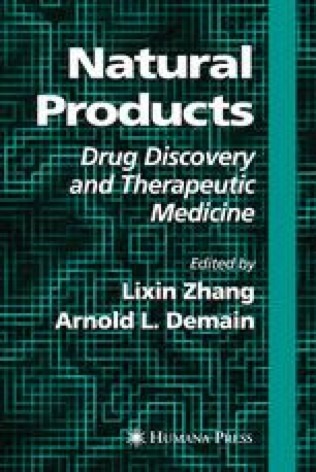
Natural Products : Drug Discovery and Therapeutic Medicine
Although the natural product drug discovery programs of the large drug companies are now equaled by programs for the high throughput screening of synthetic compounds generated through combinatorial chemistry, natural compounds still hold great promise to overcome such problems as antibiotic resistance, the emergence of new diseases, the failure to conquer old diseases, and the toxicity of some contemporary medical products. In Natural Products: Drug Discovery and Therapeutic Medicine, a panel of recognized experts and leaders in the field discuss the past successes of natural products as medicines and review future possibilities arising from both conventional and new technologies. High-performance liquid chromatography profiling, combinatorial synthesis, genomics, proteomics, DNA shuffling, bioinformatics, and genetic manipulation all now make it possible to rapidly evaluate the activities of extracts as well as purified components derived from microbes, plants, and marine organisms. The authors apply these methods to new natural product drug discovery, to accessing microbial diversity, to investigating specific groups of products (Chinese herbal drugs, antitumor drugs from microbes and plants, terpenoids, and arsenic compounds), and to exploiting specific sources (the sea, rainforest, and endophytes). These new opportunities show how research and development trends in the pharmaceutical industry can advance to include both synthetic compounds and natural products, and how this paradigm shift can be more productive and efficacious.

Natural product experiments in drug discovery
Explores a wide range of evidence-based complementary medicine and various bio-analytical techniques used to define botanical products. Collecting recent work and current developments in the field of contemporary phytomedicine as well as their future possibilities in human health care, the book includes unique contributions in the form of chapters on phytomedicine and screening biological activities explained with diverse hyphenated techniques, as well as issues related to herbal medications, such as efficacy, adulteration, safety, toxicity, regulations, and drug delivery. Written for the Springer Protocols Handbooks series, chapters feature advice from experts on how to best conduct future experiments. Extensive and practical, Natural Product Experiments in Drug Discovery serves as an ideal reference for students, professors, and researchers in universities, R&D institutes, pharmaceutical and herbal enterprises, and health organizations.

Natural poisons and venoms: Plant toxins : Polyketides, phenylpropanoids and further compounds
Biogenic toxins are fascinating natural products characterized by an enormous diversity of chemical structures and pharmacological activities. They not only pose hazards to humans and animals, but they are important components in the interplay of substances and living beings in nature and, moreover, important sources for new drugs.

Natural poisons and venoms : Animal toxins
Biogenic toxins are fascinating natural products characterized by an enormous diversity of chemical structures and pharmacological activities. They not only pose hazards to humans and animals, but they are important components in the interplay of substances and living beings in nature and, moreover, important sources for new drugs.
