


Refine Results
Sort By
From
To

This volume presents the proceedings of the eighth Colloquium Crustacea Decapoda Mediterranea, which was held at the Ionian University on Corfu Island, Greece, from 2 to 6 September 2002, and reflects recent advancements in decapod crustacean research. The meeting is the oldest European carcinological event, organized regularly at 3-year intervals since 1972. Although focused on the Mediterranean Sea, worldwide contributions provided a forum for fruitful contact and scientific exchange. The book covers up-to-date issues in decapod crustacean research, including genetics, morphology, reproduction, ecology, behaviour and fisheries, and it is primarily aimed at scientists interested in decapod crustacean research, but other scientists and decision-makers working on marine ecology and fisheries will also find up-to-date information on relevant issues.

Computational and Statistical Approaches to Genomics, 2nd Edition, aims to help researchers deal with current genomic challenges. During the three years after the publication of the first edition of this book, the computational and statistical research in genomics have become increasingly more important and indispensable for understanding cellular behavior under a variety of environmental conditions and for tackling challenging clinical problems. In the first edition, the organizational structure was: data à analysis à synthesis à application. In the second edition, the same structure remains, but the chapters that primarily focused on applications have been deleted.

Interactions matter. To understand the distributions of plants and animals in a landscape you need to understand how they interact with each other, and with their environment. The resulting networks of interactions make ecosystems highly complex. Recent research on complexity and artificial life provides many new insights about patterns and processes in landscapes and ecosystems. This book provides the first overview of that work for general readers. It covers such topics as connectivity, criticality, feedback, and networks, as well as their impact on the stability and predictability of ecosystem dynamics. With over 60 years of research experience of both ecology and complexity, the authors are uniquely qualified to provide a new perspective on traditional ecology.
Complex Systems Science in Biomedicine covers the emerging field of systems science involving the application of physics, mathematics, engineering and computational methods and techniques to the study of biomedicine including nonlinear dynamics at the molecular, cellular, multi-cellular tissue, and organismic level. With all chapters helmed by leading scientists in the field, Complex Systems Science in Biomedicine's goal is to offer its audience a timely compendium of the ongoing research directed to the understanding of biological processes as whole systems instead of as isolated component parts.
Features contributions from several Italian research groups that are working on the field of biomedicine. Each chapter in this book deals with a specific subfield, with the aim of providing an overview of the subject and an account of the research results.

The new series "Microbiology Monographs" begins with two volumes on intracellular components in prokaryotes. In this second volume, "Complex Intracellular Structures in Prokaryotes", the components, labeled complex intracellular structures, encompass a multitude of important cellular functions. Continuing and newly initiated research will provide a clearer understanding of the complex intracellular structures known at present and will bring to light surprising new ones as well.

Complementary and Alternative Medicine examines the real-life implications of patient issues and the healthcare system in which care is delivered. Because complementary and alternative medicine (CAM) are not presently considered to be a part of conventional medicine, this book discusses the effect that CAM has on patients, physicians, healthcare, and policymakers. Also included are the implications that CAM has on traditional patient-physician relationships as well as the physician's ethical obligations on this subject.

It is evident that a defective or deregulated complement system results in kidney diseases. An important role of complement effector and regulatory proteins in pathological settings of the kidney has been demonstrated. A large panel of distinct human kidney diseases is caused by defective complement control. Genetic analyses have identified mutations in complement regulators that are associated with these diseases. Mutations have been identified in the fluid phase alternative pathway regulator Factor H and the membrane regulator Membrane Cofactor Protein MCP (CD46). The functional characterization of the mutant proteins allows to define the pathophysiological events on a molecular level. These new concepts and data on disease mechanisms allowed establishing new diagnostic and promising therapeutic approaches for several human kidney diseases. Molecular biology, clinics and therapy are discussed in this volume.
Science produces fascinating puzzles: why is there such a range of placental structures when other mammalian organs are so structurally uniform ? Why and how did the different placental structures evolve ? Comparative placental studies can facilitate the identification of the common factors in placental growth, differentiation and function and their relevance to possible evolutionary pathways. Comparative Placentation is the only book presenting up-to-date data illustrating the great variety of structure but uniform function of vertebrate placentas from fish to man. This information is essential for selection of suitable models to investigate particular practical problems of impaired or anomalous growth in human and animal placentation. The unique collection of the best light and electron micrographs from the last thirtyfive years which precisely illustrate the structural range in each taxon, make the book the most authoritative publication in this field and a vital source of information for anyone interested on reproductive physiology, anatomy and medicine.
This volume reviews today’s knowledge about hepatitis with emphasis on comparative aspects between hepatitis in humans and animals, but also between different etiological agents. This particular viewpoint makes the book relevant for scientists from both human and veterinary medicine, gastroenterologists, pathologists, virologists and students of human and veterinary medicine.
Fungal comparative genomics started in 2000 by the genome sequencing of several yeast species other than the canonical Saccharomyces cerevisiae. Since then, over 30 fungal genome sequences have become available. This set represents a total evolutionary divergence comparable to that between vertebrates and arthropods, but also contains closely related genomes. This volume describes how we can use this set of genomes to trace large and small-scale events in genome evolution, to extract information about highly conserved and less conserved sequence elements, and to develop novel methods in genomics that will have an impact on genomics at large.
Community-acquired pneumonia (CAP) is a disease associated with high morbidity and mortality, with at least one third of cases requiring hospitalization, exceeding the numbers admitted for myocardial infarction and stroke. Despite a broad armamentarium of antimicrobials available, it remains an important cause of death in industrialized countries. CAP is caused by a variety of pathogens with their order of importance dependent on the location and population studied. Despite the importance of CAP, reliable data and a recommended evidence-based therapy are lacking, and basic research must be improved. The goal of this volume is to present state-of-the-art knowledge on epidemiology, clinical presentation, immunology, pathology, and diagnosis including the identification of "new pathogens". Therapeutic approaches, antibiotics resistance, disease management and vaccination strategies are also covered. The volume is of interest to researchers and clinicians in virology, epidemiology and biomedicine.
Plant neurobiology is a newly emerging field of plant sciences. It covers signalling and communication at all levels of biological organization – from molecules up to ecological communities. In this book, plants are presented as intelligent and social organisms with complex forms of communication and information processing. Authors from diverse backgrounds such as molecular and cellular biology, electrophysiology, as well as ecology treat the most important aspects of plant communication, including the plant immune system, abilities of plants to recognize self, signal transduction, receptors, plant neurotransmitters and plant neurophysiology. Further, plants are able to recognize the identity of herbivores and organize the defence responses accordingly. The similarities in animal and plant neuronal/immune systems are discussed too. All these hidden aspects of plant life and behaviour will stimulate further intense investigations in order to understand the communicative plants in their whole complexity.
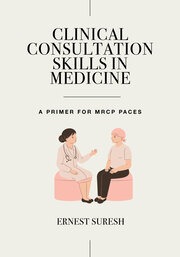
Follows the revised format of the Practical Assessment Clinical Examination Skills (PACES) exam conducted by the Royal College of Physicians in the UK, where ‘clinical consultation skills’ will be tested twice in two separate stations. Thus, coming closest to what doctors do in real life: obtain a structured history, perform a focussed examination and explain the problem to the patient in lay terms. This book takes readers through a rational approach to 63 common presenting symptoms or laboratory abnormalities in medicine. It is aimed at improving the clinical consultation skills of young doctors and preparing them for the new format of MRCP PACES

This book offers a cross-sectoral reference for both managers and scientists interested in climate-smart forestry, focusing on mountain regions. It provides a comprehensive analysis on forest issues, facilitating the implementation of climate objectives. CLIMO has provided scientific analysis on issues including criteria and indicators, growth dynamics, management prescriptions, long-term perspectives, monitoring technologies, economic impacts, and governance tools.

This book gives a clearly structured, well-defined compendium of classifications and scores of the shoulder for use in everyday clinical life to improve and simplify the communication between physicians and physiotherapists.

This book reviews the interagency research and development effort on classical biological control in the USA from 1992-2002. The successful exploration, importation, screening, evaluation, rearing, and establishment of at least five exotic Bemisia. tabaci natural enemies in rapid response to the devastating infestations in the USA is a landmark in interagency cooperation and coordination of multiple disciplines. In this volume, the various authors present detailed reviews of natural enemy exploration, introduction, and evaluation efforts that will serve as a guide to support and encourage classical biological control inputs into other integrated pest management systems.

Springer Handbook of Enzymes provides data on enzymes sufficiently well characterized. It offers concise and complete descriptions of some 5,000 enzymes and their application areas. Data sheets are arranged in their EC-Number sequence and the volumes themselves are arranged according to enzyme classes. This new, second edition reflects considerable progress in enzymology: many enzymes are newly classified or reclassified. Each entry is correlated with references and one or more source organisms. New datafields are created: application and engineering (for the properties of enzymes where the sequence has been changed). The total amount of material contained in the Handbook has more than doubled so that the complete second edition consists of 39 volumes as well as a Synonym Index.

Springer Handbook of Enzymes provides data on enzymes sufficiently well characterized. It offers concise and complete descriptions of some 5,000 enzymes and their application areas. Data sheets are arranged in their EC-Number sequence and the volumes themselves are arranged according to enzyme classes. This new, second edition reflects considerable progress in enzymology: many enzymes are newly classified or reclassified. Each entry is correlated with references and one or more source organisms. New datafields are created: application and engineering (for the properties of enzymes where the sequence has been changed). The total amount of material contained in the Handbook has more than doubled so that the complete second edition consists of 39 volumes as well as a Synonym Index.

Springer Handbook of Enzymes provides data on enzymes sufficiently well characterized. It offers concise and complete descriptions of some 5,000 enzymes and their application areas. Data sheets are arranged in their EC-Number sequence and the volumes themselves are arranged according to enzyme classes. This new, second edition reflects considerable progress in enzymology: many enzymes are newly classified or reclassified. Each entry is correlated with references and one or more source organisms. New datafields are created: application and engineering (for the properties of enzymes where the sequence has been changed). The total amount of material contained in the Handbook has more than doubled so that the complete second edition consists of 39 volumes as well as a Synonym Index.

Daraa Highway - Ghabagheb - Syria
+963-15 2050 - 15 860 380 /1/2/3 - 11 662 3900