



الصفحة 1
الصفحة 1

Drying and wetting of building materials and components
Discusses important topics of heat and mass transfer in particulate materials Includes a set of new developments in the science of drying and wetting processes Fosters the encounter of a variety of scientific and engineering disciplines

Development and In-vitro Dissolution Test of Pilocarpine PVA : Hydrogel Lenses
Due to high water content of hydrogel (wetting) and due to extended drug release comparing to ophthalmic solution and higher transparency comparing to ophthalmic ointment, soft contact lenses were found to elongate contact time with the eye and use it for long time without causing hypoxia or needing multiple dosing per a day. The objective of the study was to design, fabricate, and investigate the effectiveness of PVA hydrogel with DMSO soft contact lens in releasing the model drug, pilocarpine.
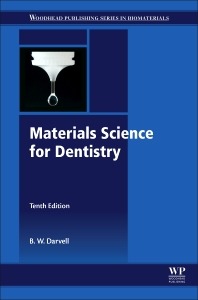
Materials science for dentistry
A standard resource for undergraduate and postgraduate courses in dentistry. It provides fundamental coverage of the materials on which dentistry depends, covering the structure and chemistry that govern the behavior and performance of materials. Particular classes of materials include gypsum, polymers, acrylic, cements, waxes, ceramics and metals. Other chapters review surfaces, corrosion, mixing, casting, cutting and bonding, and mechanical testing. This updated edition, which includes substantial chapters on chemistry, has been extensively revised with new material on temporary restoration resins, hydraulic silicate cements and the practical aspects of wetting surfaces. Mindfully written to provide explanations for behavior, formulation, clinical and laboratory instructions and procedures, there is no comparable resource for researchers, students, teachers and practitioners in the field of dentistry.
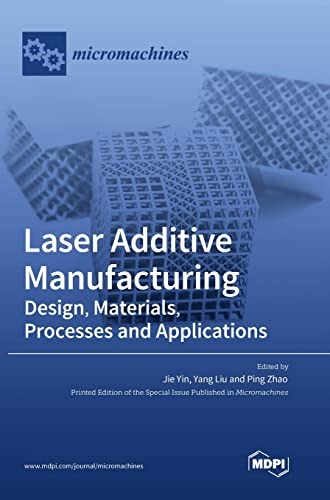
Laser additive manufacturing: design, materials, processes and applications
Laser-based additive manufacturing (LAM) is a revolutionary advanced digital manufacturing technology developed in recent decades, which is also a key strategic technology for technological innovation and industrial sustainability. This technology unlocks the design and constraints of traditional manufacturing and meets the needs of complex geometry fabrication and high-performance part fabrication. A deeper understanding of the design, materials, processes, structures, properties and applications is desired to produce novel functional devices, as well as defect-free structurally sound and reliable LAM parts.The topics in this Special Issue reprint include macro- and micro-scale additive manufacturing with lasers, such as structure/material design, fabrication, modeling and simulation, in situ characterization of additive manufacturing processes and ex situ materials characterization and performance, with an overview that covers various applications in aerospace, biomedicine, optics and energy.
