



الصفحة 1
الصفحة 1

Nutrition of cancer patient
According to world statistics, nutrition is estimated to contribute to about one-third of preventable cancers, nearly the same amount as the contribution of smoking. It is defined as the processes by which living organisms' intake of food and drink is used by the body for fuel, growth, reproduction, and the overall maintenance of health. Thus, sufficient nutritional consumption is essential for well-being. Consequently, it is an important part of life, cancer treatment, recovery, and prevention; eating the necessary nutrients prior to, during, and after a cancer treatment would aid the patient in the recovery process. A healthy diet means a stable nourishment, and includes obtaining sufficient amounts of essential nutrients (vitamins, minerals, protein, carbohydrates, fat, and water) the body needs. Inadequate intake of essential vitamins and minerals might explain the epidemiological findings that people who eat only small amounts of fruits and vegetables have an increased risk of developing cancer.
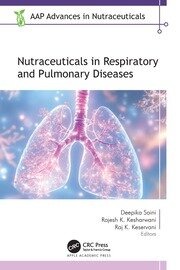
Nutraceuticals in respiratory and pulmonary diseases
Explores nutraceuticals that have been found to be effective in managing and treating respiratory and pulmonary diseases. It explains nutritional supplements that function as adjuvants for respiratory health and which may be useful targets for developing innovative nutraceutical-active respiratory products. The book also discusses the role of vitamins, minerals, and functional foods in the prevention and treatment of respiratory illnesses such as asthma, bronchitis, airway constriction, chronic obstructive pulmonary disorder (COPD), etc. It also explores the potential role of various herbs and foods in the treatment of lung illnesses through the Ayurvedic practices. The effectiveness of various natural and dietary supplements as well as plant and animal-based nutritional supplements for respiratory health are also considered.

Nutraceuticals in obesity management and control
Provides detailed information on nutraceuticals that can be helpful in the control and management of obesity. It clarifies key aspects of nutraceuticals that include sources, extraction, chemistry, mechanisms of action, pharmacology, bioavailability, safety, and various applications. Beginning with a concise overview of the prevalence of obesity, complications related to obesity, and current treatment regimens, the volume delves into the roles of functional foods and nutraceuticals for the management of body weight and for alleviating obesity comorbidities. It goes on to discuss the effect of some of the most commonly and frequently used naturally occurring nutraceutical substances, along with their mechanisms of action in controlling obesity. The volume looks at the role of nutraceutical fruits as well as the beneficial aspects of carotenoids in fruits and vegetables and explores antioxidant-rich nutraceuticals, the role of vitamins and supplements, the use of green tea, and the potential of pseudocereals and spices in the management of metabolic syndrome.

Nutraceuticals in insomnia and sleep problems
Sleep is one of the most important and crucial physiological needs for maintaining a healthy life. However, in today’s day and age, insomnia and other sleep disorders, such as sleep apnea, are increasing rapidly. This new book details the nutraceuticals from foods that help to promote good health and optimum sleep. The authors discuss the importance of sleep, the role of diet in sleep, the role of specific vitamins and minerals, amino acids and opioids as nutraceuticals for sleep, newer technologies for use and delivery of nutraceuticals for treating insomnia, and more. The book not only explores nutraceuticals that promote optimum sleep but also details foods that cause insomnia, such as processed, chemical-rich, and refined foods. Chapters also cover commensal and symbiotic microbes, microbial metabolites, and bacteriocins and their impact on sleep. A chapter on the ethical issues related to addiction to nutraceuticals for sleep induction is also included.

Nutraceuticals in cardiac health management
Cardiovascular diseases (CVDs) constitute the major cause of death worldwide, claiming nearly 18 million lives each year. Multiple foods and nutraceuticals have been proven to reduce the risk of cardiovascular disease. This new book offers an informative update on the most recent scientific evidence addressing the use of nutraceuticals in the prevention and management of heart disease. It summarizes the functional foods that are involved in preventing the risk of CVDs, the mechanisms of the bioactive components that lower the risk of chronic illnesses, as well as the dietary patterns that are involved in the prevention of CVDs. It also covers specific nutraceuticals, including probiotics, dietary fibers, garlic, green tea, vitamins, tomatoes and other lycopene-rich fruits and vegetables, dietary supplements, bee products, and more. In addition, it focuses on detailing the endothelial effects of marine- and plant-derived omega-3 fatty acids and marine-derived natural flavonoids in hypertension and CVDs.

Nutraceuticals in arthritis and psoriasis : Management and prevention of diseases
Explores plant-derived nutraceuticals that can be used as crucial therapeutic tools in the prevention and treatment of arthritis and psoriasis, providing detailed information on the use of plant-derived nutraceuticals, such as microalgae and other marine botanicals, omega polyunsaturated fatty acids, glucosamine and chondroitin sulphate, plant-based gum, vitamins and oils, probiotic supplements, and others in the treatment and management of arthritis and psoriasis. The book relates the recent scientific evidence on the effectiveness of each of these nutraceutical treatments, offering case studies, results of clinical studies, and more.

Micronutrients and macronutrients as nutraceuticals
Explains in detail the properties of micronutrients and macronutrients and their diverse uses as nutraceuticals for their beneficial properties, such as their antioxidant activity and immunity-boosting properties and how they can be incorporated into the human diet for optimum health, for growing beneficial bacteria in the gut, and inhibition of pathogens. Interestingly, the authors look at how disease-promoting habits often unfold in childhood, even prenatally, and employing nutrigenomics early on goes a long way toward curbing these chronic diseases later on in life.

Hyperlipidemia Management for Primary Care : An Evidence-Based Approach
Hyperlipidemia Management for Primary Care: An Evidence-Based Approach is a comprehensive resource for primary care providers that offers information and treatment options that can be incorporated with ease into everyday clinical practice. This evidence-based text weighs the benefits of pharmacologic treatments, popular diets, therapeutic foods, herbs and vitamins as a means to manage hyperlipidemia.

Human nutrition : University of Hawai‘i at Mānoa food science and human nutrition Program
A nutrition resource that reflects the diverse dietary patterns of people in Hawai‘i and the greater Pacific. Using the ‘ōlelo no‘eau, or Hawaiian proverb, stated above, we believe that the prin-ciples of nutrition should be taught through the context of our communities and environ-ments.
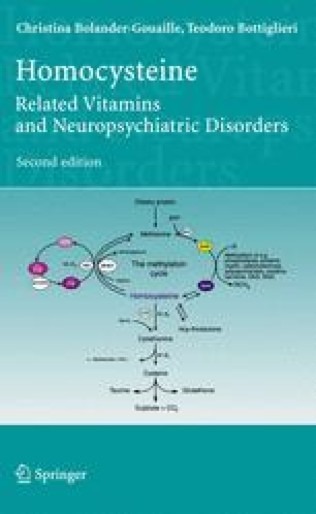
Homocysteine : Related Vitamins and Neuropsychiatric Disorders
There is an increasing interest in the connection between the homocysteine metabolism and neuropsychiatric disease with a steeply increasing number of publications. In particular, the association between homocysteine metabolism and cognitive decline/dementia attracts much interest. If simple, non-toxic homocysteine-lowering treatment with vitamins can reduce the incidence of, or delay the onset of dementia, it would have an enormous impact in societies with a rapidly increasing number of elderly at risk for dementia. This book summarises the research within the neuropsychiatric field, but also gives an overview of the underlying biochemistry and of diagnostic aspects.

Homocysteine
Homocysteine is a non-proteinogenic α-amino acid. It is a homologue of the amino acid cysteine, differing by an additional methylene bridge (-CH2-). It is biosynthesized from methionine by the removal of its terminal methyl group. In the body, Homocysteine (HCY) can be recycled into methionine or converted into cysteine with the aid of certain B-vitamins. A high level of Homocysteine in the blood (hyperhomocysteinemia) makes a person more prone to endothelial cell injury, which leads to inflammation in the blood vessels, which in turn may lead to atherogenesis, which can result in ischemic injury. Therefore, hyperhomocysteinemia is a possible risk factor for coronary artery disease (CAD). Coronary artery disease occurs when an atherosclerotic plaque blocks blood flow to the coronary arteries, which supply the heart with oxygenated blood.

Global Price Fixing
The book describes and analyzes the formation, operation, and impacts of modern global cartels. It provides a broad picture of the economics, competition law and history of international price fixing. A deeper understanding of the phenomenon is afforded by intensive case studies of collusion in the markets for lysine, citric acid, and vitamins. Particular attention is given to the economic injuries sustained by the cartels' customers. The author assesses whether antitrust enforcement by the European Union, the United States, and other countries is capable of deterring cartels in the foreseeable future.

Food lens = فود لينس
Food lens is an innovative application designed to revolutionize dietary management by leveraging advanced image recognition and nutritional analysis. The primary objective of this senior project is to develop a user-friendly tool that identifies various foods through a camera interface and provides detailed nutritional information. This application not only enhances the user's understanding of their dietary intake but also assists in achieving personalized health and fitness goals. The core functionality of Food Lens involves the integration of a robust image recognition system capable of accurately identifying a wide range of foods. Upon identification, the application retrieves comprehensive nutritional data, including calorie content, macronutrient distribution (proteins, fats, carbohydrates), and essential micronutrients (vitamins and minerals). This data is then seamlessly integrated into the user's dietary profile. Food Lens is designed to track the user's daily caloric intake and compare it against personalized recommendations based on age, gender, weight, height, and activity level. By maintaining a dynamic record of consumed foods, the application provides real-time feedback on the user’s nutritional progress. This feature is particularly beneficial for individuals aiming to manage weight, address dietary restrictions, or improve overall health.

Encyclopedia of Human Nutrition
Provides updated information on the foundations of nutrition science, along with the biology and functions of vitamins and other essential nutrients present in the human diet. The book's content offers a modern understanding of the links between diet and health effects, including diseases of recognized nutritional etiology. This overview of the genetic and molecular aspects of nutrient-health interrelationships includes important content on topics like nutrigenomics, metabolomics and the microbiome. In addition, the book provides global context, particularly on the issue of food production, sustainability and climate change.

Co-enzyme Q10
Coenzyme Q10 is a vitamin like substance that has been found in both microorganisms and plants as well as in animals and humans. In this research we will talk about CoenzymeQ10, it’s biochemical functions and roles in health and diseases such as Parkinson, cardiovascular diseases, diabetes, male fertility, cancers , covid19 and immune functions. Some coQ10 determination methods in foods will be discussed. At the last can we use it as asupplement? Does it have an adverse effects and contraindications? and what are the factors that affect on it’s plasma concentrations ? .

Comprehensive biochemistry for dentistry : Textbook for dental students
Combines fundamental concepts of biochemistry and the dental sciences to provide an authentic, coherent and comprehensive text for dental students. It describes in simple language the intricate pathophysiology of biomolecules in health and in diseases of dental and oral tissues. This book also describes the evolution of biochemistry in a chronological order, provides information about the fundamental chemical structure, classification and biological significance of biomolecules, vitamins and hormones, enriched with flow charts and diagrams for easy understanding and quick reference. It includes chapters on nucleic acids, nutrition and serum enzymes and organ function tests, and offers an innovative approach to familiarize dental students with the biochemical composition of enamel, dentine, cementum and saliva, explaining the biochemical basis of dental caries, periodontal diseases, role of fluorides in caries prophylaxis, fluoride toxicity, and the role of amino acids as anti-hypersensitive agents

Chewing gum containing artemisa absinthium (Wormwood) and Vitamin B12 for Anorexia treatment
Anorexia is a medical name for loss of appetite which mean decrease appetite and it is the reason for mental and physical illness. Anorexia can accompany many diseases like infections, covid- 19, cancer, and it is also caused by many drugs. Our objective was to evaluate the level of knowledge about the anorexia among Syrian population, and, to develop chewing gum as health supplement. We used Artemisia absinthium L. (wormwood), vitamin B12 as pharmaceutical supplement ingredients, and, pine resin, or zein protein extracted from com as chewing gum bases...

Chemotherapy and pharmacology for leukemia in pregnancy : Guidelines and strategies for best practices
The book addresses a broad range of subjects, including: pregnancy and its characteristics; staging, pathology, morbidity and what to expect in each type of leukemia; chemotherapy for leukemia in pregnant women with complete trials; dose adjustment of chemotherapy for leukemia in pregnancy based on serum dosages; and pharmacokinetics and pharmacodynamics for this unique group of patients. In turn, subsequent chapters focus on protecting the fetus and neonatal management regarding chemotherapy for leukemia in pregnancy, including the treatment and risks for the fetus (for each type of leukemia), intrathecal therapy and its effects on the fetus; supportive drugs, antibiotics and antifungals for pregnant patients during chemotherapy, including intervention and dose adjustments; palliative care for women with leukemia in pregnancy; breastfeeding during treatment for leukemia; pharmacological aspects of supplements, vitamins and nutrition in pregnancy during leukemia treatment; and more.
Biomacromolecules : Carbohydrates, lipids, proteins and nucleic acids
The first chapter looks at the structural formulas and cyclic forms of monosaccharides, as well as their synthesis and breakdown. Cyclization, enolization, isomerization, tautomerization, mutarotation, and epimerization are all briefly described. Examples of disaccharides and polysaccharides are also presented. The second chapter covers triglycerides, steroids, vitamins, and their constituents. The third chapter examines the primary structure of proteins, including amino acid properties, peptide bond formation, and peptide synthesis. It also addresses secondary, tertiary, and quaternary structures. The book concludes with a chapter on nucleic acids, which covers the chemistry of nucleosides and oligonucleotides as well as topics such as genetic code, DNA secret code, Polymerase Chain Reaction and DNA fingerprinting.
Bee products : Chemical and biological properties
Presents an updated discussion on the chemical composition and biological properties of the main bee products, which until now have been presented separately in different editions This book scoops out studies about bee products most used in marketing and in traditional medicine such as honey, royal jelly, propolis, bee pollen and bee venom Discusses chemical composition and biological function of the different bee products on topics such as nutrition, aging and age-related diseases, cancer, neurodegenerative diseases and pathogen infections Bee products are rich in several essential nutrients and non essential nutrients, as sugars, minerals, proteins, free amino acids, vitamins, enzymes and polyphenols, that seem to be closely related to their biological functions. The effects of these products in nutrition, aging and age-related diseases, cancer, neurodegenerative diseases and pathogen infections are discussed.
