



الصفحة 1
الصفحة 1

Medical laboratory technology procedure : manual for routine diagnostic tests ; Vol.3
Salient features Predominantly tailored to the requirements of laboratories with limited facilities in developing countries, this manual: Introduces methods and procedures for producing reliable laboratory findings Describes all tests in a step-by-step manner with guidelines to avoid errors and hazards Explains care and use of laboratory equipment and preparation of reagents Details Zika and Chikungunya virus infections Highlights the clinical significance of laboratory findings Provides illustrations for easy comprehension The fourth edition features a number of important additions containing the latest topics relevant to the subject

Infections à papillomavirus : État des connaissances, pratiques et prévention vaccinale = Human papillomavirus infections : Current knowledge, practices and vaccination prevention
The impact of papillomavirus (HPV) infection is considerable. More than one in two women has been exposed to HPV in her lifetime and around 10% will develop a chronic infection. Of these, 20% will develop cervical cancer in the absence or failure of screening. In France, high-risk HPV infection causes 80,000 precancerous lesions, 3,400 cervical cancers and the death of 1,000 women every year. Smear screening performed at a regular rate and according to quality standards has resulted in a significant decrease in incidence and mortality over the past 20 years. However, despite this considerable success, the so-called preventable disease has not been eradicated; testing is a complex process that only benefits part of the population while those who benefit endure its weaknesses. Optimization of screening and treatment is now made possible by the use of innovative techniques including the smear in liquid suspension, the HPV test, and soon viral genotyping and molecular markers guaranteeing maximum protection. Because cervical cancer is the result of chronic HPV infection, we already have the extraordinary chance to prevent it with a prophylactic vaccine. This progress will have a major impact on our practices as it happens in a poorly prepared medico-sociological environment. This resolutely practical and educational book provides an overview of knowledge and perspectives on HPV infection and its associated pathologies while deciphering the new challenges and practices in the vaccine era.
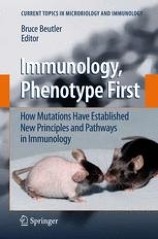
Immunology, phenotype first : How mutations have established new principles and pathways in immunology
This monograph deals with the impact of classical genetics in immunology, prov- ing examples of how large immunological questions were solved, and new fields opened to analysis through the study of phenotypes, either spontaneous or induced. As broad as biology has become, there are those who do not fully understand what the genetic approach is, and how it differs fundamentally from most of the methods available to natural scientists.

Hepatitis C virus-host interactions and therapeutics : Current insights and future perspectives
The burden of hepatitis C virus (HCV) infection on the public health care system continues to remain significant despite the remarkable progress made in HCV therapeutics in the recent past. There are now almost a dozen oral interferon-free direct-acting antivirals available for the treatment of hepatitis C virus infection. Despite advances in the treatment of HCV, therapeutic gaps remain that are yet to be fully explored. Researchers and scientists still strive to understand virus-host interactions to map the disease’s progression along with extrahepatic manifestations and virus invasion strategies impacting the host’s immune system. This book briefly discusses the biology of HCV infection, virus-host interactions, molecular epidemiology of the infection, and the full spectrum of immune responses to hepatitis C. It also provides in-depth information about HCV, clinical diagnostics, and therapeutic knowledge to all stakeholders involved in HCV screening, diagnosis, treatment, and management.
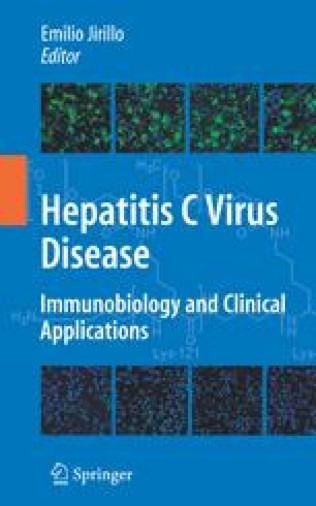
Hepatitis C Virus Disease
Emphasizes the most recent advances on the Hepatitis C virus infection (HCV) moving from basic research to clinical application. In spite of the numerous studies on HCV infection, its pathogenesis and medical treatment have not been fully explained. The first chapters of this volume analyize the full spectrum of immune responses to HCV taking into account either innate or adoptive immunity involvement. The volume also includes a series of contributions which explain the state of art of IFN-alpha treatment in HCV patients and the effectiveness of therapy also in relation to HCV genotypes. The use and applications of pegylated IFNs will also be discussed as well as the complicated HCV disease and its treatment. Hepatitis C Virus Disease: Immunobiology and Clinical Applications is an ideal volume for researchers, scientists, professionals, clinicians, physicians and graduate students in the fields of infectious disease, immunology, virology, microbiology, pharmacology and medicine.

Dendritic Cells in Clinics
Great advances have taken place in basic research and the clinical usefulness of dendritic cells (DCs). It has now been clearly established, for instance, that these cells play a crucial role in immune responses against infectious diseases and cancers. Antigen-presenting DCs are widely distributed in the body and regulate both immunity and immune tolerance. Experimental studies have provided important insights into DCs and how they can be used for treating animal models of various diseases that occur in humans. The role of these cells in pathogenesis and the treatment of human diseases is elaborately set forth in this valuable book. Researchers in the field are optimistic that DCs, already in use for treating patients with cancers, soon can be used therapeutically for patients with chronic infections, autoimmune diseases, and allergic manifestations. This volume provides a working definition of DCs and also explains the phenotypes and functions of DCs so that these can be readily understood not only by clinicians but by immunologists, researchers, and students as well.

COVID-19 and new aspects of treatment that might lower the risks and mortality rate
Coronaviruses are enveloped non-segmented positive-sense RNA viruses belonging to the family Coronaviridae. The human coronavirus infections are mild; the epidemics of the two βcoronaviruses, severe acute respiratory syndrome coronavirus (SARS-CoV) and Middle East respiratory syndrome coronavirus (MERS-CoV) have caused more than ten thousand cumulative cases in the past two decades. There is a new public health crisis threatening the world with the emergence and spread of 2019 novel coronavirus (2019nCoV). The virus originated in bats and was transmitted to humans through yet unknown intermediary animals in Wuhan, Hubei province in China during the month of December 2019. After the pandemic have started the scientists and researchers started immediately to find ways and technics to diagnose the virus in a different analytical and chemical methods to investigate and find out more about the new species

COVID-19 & Cardiovascular Complications
A highly pathogenic human coronavirus, severe acute respiratory syndrome coronavirus 2 (SARS-CoV-2), has been recently recognized in Wuhan, China, as the cause of the coronavirus disease 2019 (COVID-19) outbreak which has spread rapidly from China to other countries in the world, causing a pandemic with alarming morbidity and mortality. The emerging epidemiological data about COVID-19 patients suggest an association between cardiovascular diseases (CVD) and SARS-CoV-2 infection, in term of clinical features at hospital admission and prognosis for disease severity. The aim of our review is to describe the cardiological features of COVID-19 patients at admission, the acute cardiac presentation, the clinical outcome for patients with underlying CVD and the pharmacological implications for disease management.

Coronavirus Replication and Reverse Genetics
This book contains information on virus genome structure, mechanism of replication and transcription, and the development of tools that make possible reverse genetic studies to understand virus-host interactions and the molecular basis of virus pathogenesis. The book also provides essential information for the development of classical and recombinant vaccines to control coronavirus infections.

Chemokines and Viral Infection
This edition of Current Topics in Microbiology and Immunology examines the role of chemokines and chemokine receptors in host defense and disease development following viral infection. Chemokines represent a family of over 40 small proteins that, for the most part, are secreted into the environment and function by binding to G protein-coupled receptors (GPCRs) that are expressed on numerous different cell types. When initially identified close to 30 years ago, these molecules were associated with various human inflammatory diseases and it was recognized that expression may be integral in leukocyte recruitment to inflamed tissue. There are now four sub-families of chemokines identified based on defined structural criteria relating to the positional location of conserved cysteine residues within the amino-terminus of the protein. Chemokines are now recognized as important in numerous biological processes ranging from maintaining the organizational integrity of secondary lymphoid tissue to participating in various aspects of both innate and adaptive immune responses following microbial infection. With this in mind, this book highlights the functional roles of chemokines and their receptors in participating in various aspects of the immune response against well-known viral pathogens.
