



الصفحة 1
الصفحة 1

Nuclear and Radiological Emergencies in Animal Production Systems, Preparedness, Response and Recovery
This volume explains how major nuclear and radiological emergencies (NREs) can have implications at local, national and international level. The response to NREs requires a competent decision-making structure, clear communication and effective information exchange. National veterinary services have the responsibility to plan, design and manage animal production system in their countries. These activities cover animal health, animal movement control, production control and improvement, and control of the products of animal origin before their placement on the market.

Feldman and Pike's vitamin D; Vol. 2 : Health, disease and therapeutics
Covers the evidence for new roles of vitamin D, ranging from organ transplantation to cancer, diabetes, inflammatory bowel disease, multiple sclerosis, and renal disease. The coverage is appropriately broad, drawing on aspects of internal medicine, pediatrics, nutrition, orthopedics, oncology, neurology, obstetrics and gynecology, and immunology, as well as, new areas for vitamin D including sports medicine, opthalmology, veterinary medicine and ICU care – including COVID-19. Clinical researchers will gain a strong understanding of the molecular basis for a particular disease and better understand future directions for research in this still-growing field.

Disease in Wild Animals : Investigation and Management
Wildlife diseases have become increasingly important recently due to their effect upon human health, veterinary medicine, wildlife, and conservation biology. Gary Wobeser's successful book from 1994 has been completely updated and enlarged in a new second edition. An in-depth overview of the available techniques for the investigation and management of disease in free-ranging animals is provided. The subjects are illustrated with examples drawn from around the world, with emphasis on the special requirements involved in working with wild animals. Techniques are assessed critically with regard to their efficacy and effectiveness.
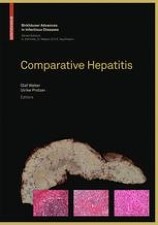
Comparative Hepatitis
This volume reviews today’s knowledge about hepatitis with emphasis on comparative aspects between hepatitis in humans and animals, but also between different etiological agents. This particular viewpoint makes the book relevant for scientists from both human and veterinary medicine, gastroenterologists, pathologists, virologists and students of human and veterinary medicine.
Botulinum Toxin Treatment in Surgery, Dentistry, and Veterinary Medicine
This book provides up-to-date information on botulinum toxin therapy in surgical fields. It is also the only book in the market that provides information on botulinum toxin therapy in dentistry and veterinary medicine and furnishes the latest information.
Animals in Our Midst : The Challenges of Co-existing with Animals in the Anthropocene
This book brings together authoritative voices in animal and environmental ethics, who address the many different facets of changing human-animal relationships in the Anthropocene. As we are living in complex times, the issue of how to establish meaningful relationships with other animals under Anthropocene conditions needs to be approached from a multitude of angles. This book offers the reader insight into the different discussions that exist around the topics of how we should understand animal agency, how we could take animal agency seriously in farms, urban areas and the wild, and what technologies are appropriate and morally desirable to use regarding animals. This book is of interest to both animal studies scholars and environmental ethics scholars, as well as to practitioners working with animals, such as wildlife managers, zookeepers, and conservation biologists.
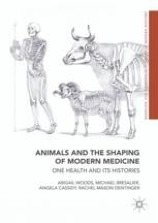
Animals and the shaping of modern medicine : One health and its histories
This book breaks new ground by situating animals and their diseases at the very heart of modern medicine. In demonstrating their historical significance as subjects and shapers of medicine, it offers important insights into past animal lives, and reveals that what we think of as ‘human’ medicine was in fact deeply zoological.Each chapter analyses an important episode in which animals changed and were changed by medicine. Ranging across the animal inhabitants of Britain’s zoos, sick sheep on Scottish farms, unproductive livestock in developing countries, and the tapeworms of California and Beirut, they illuminate the multi-species dimensions of modern medicine and its rich historical connections with biology, zoology, agriculture and veterinary medicine. The modern movement for One Health – whose history is also analyzed – is therefore revealed as just the latest attempt to improve health by working across species and disciplines.
