



الصفحة 1
الصفحة 1

MRI of the Heart and Vessels
In recent years magnetic resonance imaging (MRI) has enriched the technological potential available for the characterization of cardiovascular pathologies, adding substantial advantages to other non-invasive techniques. This technique, which is intrinsically digital and has reduced operator dependency, allows the performance of image analysis in a quantitative and reproducible manner. In virtue of its added diagnostic value and inherent refinements that allow construction of two- and three-dimensional images, MRI is gaining a primary role in the histopathological and physiopathological understanding of a large number of pathologies concerning the heart and vessels. This text is addressed both to MRI operators seeking specific technical information and to clinicians who wish to have a better understanding of the diagnostic and management advantages that MRI can offer.
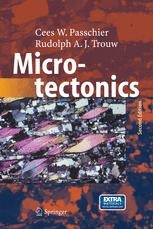
Microtectonics
The book mainly focusses on optical microscopy as a tool to study microstructures, but also describes other techniques such as EBSD and tomography. Many photographs and explanatory drawings clarify the text. Newest developments in microtectonics have been included in all chapters so that al chapters have been revised and updated, e.g. new information on brittle microstructures. Two new chapters have been added, on primary structures and experimental microstructures. Chapters on veins, shear zones, natural microgauges experimental modelling techniques and alternative techniques have been completely renewed

Encyclopedia of South American Aquatic Insects : Odonata - Anisoptera : Illustrated Keys to Known Families, Genera, and Species in South America
To help readers understand naming conventions, a brief introductory biological review of the group includes illustrations of the main morphological features as well as explanations of alternative systems for naming the wing veins and other structures.
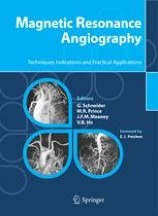
Magnetic resonance angiography : techniques, indications and practical applications
The advent of contrast-enhanced MRA in the early to mid 1990s revolutionized the clinical approach to vascular imaging: an accurate non-invasive imaging modality, not requiring ionizing radiation or potentially nephrotoxic iodinated contrast media, was able to compete with the more hazardous and invasive catheter angiography. Today, MRA is a safe, easy-to-perform procedure routinely used in most imaging centers, and the continued development of faster, more powerful magnets and more effective contrast agents is increasingly helping to overcome many of the early limitations of the technique.

Anticoagulants and coronary artery disease
Blood thinners are medicines that help blood flow smoothly through your veins and arteries. There are two. The first is called anticoagulants (Warfarin, Heparin, Enoxaparin) and The second class of blood thinners is called antiplatelet (Aspirin, Ticagrelor , Clopidogrel). . Coronary arteries supply blood to the heart muscle. Coronary artery disorder or disease can have serious implications by reducing the flow of oxygen and nutrients to the heart muscle. This can lead to a heart attack and possibly death. Atherosclerosis. Medications to reduce the risk of blood clots, such as anticoagulants (including aspirin) and antiplatelet. , in particular aspirin, are effective in preventing platelet activation and thus thrombus formation and Clopidogrel is an inhibitor of platelet activation.

Anticoagulants
Anticoagulant are drugs that, when added to blood, prevents it from clotting. It does this by suppressing the synthesis or function of various clotting factors that are normally present in the blood. These drugs are frequently used to prevent the formation of blood clots (thrombi) in the veins or arteries or the enlargement of a clot that is circulating in the bloodstream. Anticoagulants are very effective in preventing life-threatening conditions...
