



الصفحة 1
الصفحة 1

Nutrigenomics and nutraceuticals
Provides an authoritative and comprehensive overview of the field of nutraceuticals and genomics—also called nutrigenomics, a rapidly growing field. It discusses both nutrigenomic and nutrigenetic techniques to investigate the nutritional basis of several health disorders because scientists have found that diet can affect gene expression. The book covers the nutrigenomic tools for the prevention of disease conditions such as cancer, viral infection, microbial infection, COVID-19, HIV/AIDS, tuberculosis, hypertension, neurodegenerative disease, obesity, baldness, and anemia. Some nutrigenomic tools that can also be used for brain health, weight loss, human nutrition, skin care, and maintaining health during pregnancy are also explored.
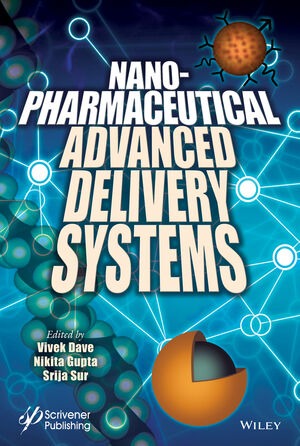
Nanopharmaceutical advanced delivery systems
Provides a single volume covering detailed descriptions about various delivery systems, their principles and how these are put in use for the treatment of multiple diseases. It is divided into four sections where the first section deals with the introduction and importance of novel drug delivery system. Deals with the most advanced drug delivery systems like microbubbles, dendrimers, lipid-based nanoparticles, nanofibers, microemulsions etc., describing the major principles and techniques of the preparations of the drug delivery systems. Elaborates on the treatments of diverse diseases like cancer, topical diseases, tuberculosis etc.

Nanoformulations in Human Health: Challenges and Approaches
This book is an amalgamation of knowledge, experience, and expertise in various aspects of nanotechnology, by experts who are proficient in designing novel nanoformulations that are used in the treatment of various challenging and prevalent diseases. It is an exhaustive compilation of the multi-faceted arena of nanoformulations and the healthcare system that caters to the needs of academicians, scholars, researchers, etc. The most important aspect of the book covers various types of nanoformulations and their applications in the treatment of communicable and non-communicable diseases. Each chapter focuses on a particular nanoformulation as well as a disease including the pathophysiology of the disease, the current treatment modalities of diseases, the role of nanoformulation in treatment and other future aspects and directions for further work. Coverage includes neuropathic pain, colon targeting, nose-to-brain drug delivery, cancer, arthritis and tuberculosis.

Medicinal Plants for Holistic Health and Well-Being
Medicinal Plants for Holistic Health and Well-Being discusses, in depth, the use of South African plants to treat a variety of ailments, including tuberculosis, cancer, periodontal diseases, acne, postmacular hypomelanosis, and more. Plants were selected on the basis of their traditional use, and the book details the scientific evidence that supports their pharmacological and therapeutic potential to safely and effectively treat each disease. Thus, this book is a valuable resource for all researchers, students and professors involved in advancing global medicinal plant research

Globalization and Sustainable Development : Environmental Agendas
A characteristic of the present global ecological situation is increasing instability or— put another way—a crisis in the civilization system, the global scale of which is expressed through a deterioration of human and animal habitats. The most sub stantial features of global ecodynamics of the late 20th and early 21st centuries include the rapid increase in world population (mainly in developing countries), increase in the size of the urban population (considerable growth in the number of megalopolises), and increase in the scales of such dangerous diseases as HIV/AIDS, hepatitis, tuberculosis, etc.
Drug Courts : A New Approach to Treatment and Rehabilitation
This cutting-edge sourcebook is ideal for physicians, addiction treatment practitioners, probation officers, testing programs, judges and anyone else facing challenges in practice with the treatment of drug court participants. This book includes knowledge in treatment of addiction and withdrawal, treatment for patients with dual diagnoses of mental illness and addiction, and treatment of diseases associated with drug use, such as tuberculosis, hepatitis, and HIV infection. Unparalleled discussions of the drug court system and the medical problems of drug court patients are presented.

Combination therapy against multidrug resistance
Explores strategic methods with investigation of both short- and long-term goals to combat multidrug resistance Presents a broad scope to understand fully the ways to apply combined therapy to multidrug resistance Provides an overview of combination therapy, but also includes specific cases such as cancer, tuberculosis, HIV and malaria

Clinical microbiology made ridiculously simple
Is a brief, clear, thorough, and updated approach to clinical microbiology, brimming with mnemonics, humor, summary charts, and illustrations. Topics include Ebola, AIDS, flesh-eating bacteria, mad cow disease, hantavirus, anthrax, smallpox, and tuberculosis; the latest antibiotics; pandemic flu, including H7N9; SARS-like coronavirus; hepatitis C treatment options; HIV diagnostics and approved HIV meds; Zika virus; measles; and a new chapter on the latest emerging infectious diseases and drug-resistant bacteria. The major update to this book is the addition of a new chapter on the SARS-COV-2 virus and COVID-19 disease, which delves into the nature of the virus such as infectivity within the body, transmission between individuals, timeline of infectivity, symptoms, risk factors, therapeutics, and vaccines approved for use.
Antimicrobial peptides and human disease
Microbes are in our midst soon after birth. Thankfully, the number of harmless (and often beneficial) microbes far outnumber those that would do us harm. Our ability to ward-off pathogens in our environment, including those that can colonize our exterior and/or interior surfaces, depends on the integrative action of the innate and adaptive immunity systems. This volume of CTMI, entitled Antimicrobial Peptides and Human Disease, is dedicated to the role of antimicrobial peptides (AMPs) in the innate host defense system of homo sapiens.
Animals and the shaping of modern medicine : One health and its histories
This book breaks new ground by situating animals and their diseases at the very heart of modern medicine. In demonstrating their historical significance as subjects and shapers of medicine, it offers important insights into past animal lives, and reveals that what we think of as ‘human’ medicine was in fact deeply zoological.Each chapter analyses an important episode in which animals changed and were changed by medicine. Ranging across the animal inhabitants of Britain’s zoos, sick sheep on Scottish farms, unproductive livestock in developing countries, and the tapeworms of California and Beirut, they illuminate the multi-species dimensions of modern medicine and its rich historical connections with biology, zoology, agriculture and veterinary medicine. The modern movement for One Health – whose history is also analyzed – is therefore revealed as just the latest attempt to improve health by working across species and disciplines.
