



الصفحة 1
الصفحة 1

Introducing architectural tectonics
Focuses on the tectonic analysis of twenty contemporary works of architecture located in eleven countries including Germany, Italy, United States, Chile, Japan, Bangladesh, Spain, and Australia and designed by such notable architects as Tadao Ando, Herzog & de Meuron, Kengo Kuma, Olson Kundig, and Peter Zumthor. Although similarities do exist between the projects, their distinctly different characteristics – location and climate, context, size, program, construction methods – and range of interpretations of tectonic expression provide the most significant lessons of the book, helping you to understand tectonic theory. Written in clear, accessible language, these investigations examine the poetic creation of architecture, showing you lessons and concepts that you can integrate into your own work, whether studying in a university classroom or practicing in a professional office.

Home
Develops the conceptual and methodological underpinnings of a critical geography of home, drawing on key feminist, postcolonial, and housing thinkers as well as contemporary methodological currents in non-representational thinking and performance. The book’s chapters consider the making and unmaking of home across the domestic scale – house-as-home; the urban – city-as-home; national – nation-as-home; and homemaking in relation to transnational migration and diaspora. Each chapter includes illustrative examples from diverse geographical contexts and historical time periods. Chapters also address some of the key cross-cutting dimensions of home across these scales, including digital connectivity, art and performance, more-than-human constructions of home, and violence and dispossession.

From Object to Experience : The New Culture of Architectural Design
Combines a history of ideas about architectural experience with the latest insights from the fields of neuroscience, cognitive science and evolutionary biology to make a powerful argument about the nature and future of architectural design. Today, the sciences have granted us the tools to help us understand better than ever before the precise ways in which the built environment can affect the building user's individual experience. Through an understanding of these tools, architects should be able to become better designers, prioritizing the experience of space - the emotional and aesthetic responses, and the sense of homeostatic well-being, of those who will occupy any designed environment. In From Object to Experience, Mallgrave goes further, arguing that it should also be possible to build an effective new cultural ethos for architectural practice. Drawing upon a range of humanistic and biological sources, and emphasizing the far-reaching implications of new neuroscientific discoveries and models, this book brings up-to-date insights and theoretical clarity to a position that was once considered revolutionary but is fast becoming accepted in architecture

Forty ways to think about architecture : Architectural history and theory today
How do we think about architecture historically and theoretically? Forty Ways to Think about Architecture provides an introduction to some of the wide-ranging ways in which architectural history and theory are being approached today.

Exercises in Architecture : Learning to Think as an Architect
It involves awakening abilities that remain dormant in most people. It is like learning language for the first time; a task made more mystifying by the fact that architecture deals not in words but in places: places to stand, to walk, to sit, to hide, to sleep, to cook, to eat, to work, to play, to worship… Written for those who want to be architects. It suggests a basis for early experiences in a school of architecture; but it could also be used in secondary schools and colleges, or as self-directed preparation for students in the months before entering professional education.

Early Islamic Art, 650-1100 : Constructing the Study of Islamic Art ; Vol. I : Variorum Collected Studies
Represent major contributions to the understanding of the formative centuries of Islamic art, focusing on the Umayyad (661-750) and Fatimid (969-1171) dynasties in Greater Syria and in Egypt, and on the Mediterranean or Iranian antecedents of early Islamic art. Historical, cultural, and religious themes, including the role of court ceremonies, the growth of cities, and the importance of the Qur'an, are introduced to help explain how a new art was formed in the central lands of the Near East and how its language can be retrieved from visual or written sources.

Digital workflows in architecture : Design - assembly - industry
The logics of digital processes in architecture have begun to structure the way that architects design, the way that builders build, and the way that industry is reorganizing. This book is a reference work on digital technologies as key factors in architectural design, fabrication and workflow organization. It presents essays and case studies from some of the leading voices on the topic.

Design to Value : The architecture of holistic design and creative technology
Design to Value is a commitment to process above all else. Well understood and applied in the manufacturing industries, its potential is only now starting to be realised in architecture, engineering and construction. It challenges designers to lead the way in creating more innovative and stakeholder-centric analyses, workflows, construction techniques and products. Through architectural thinking, value in the built environment can be maximised. Seeking to create deep and lasting impacts on industry, society and the planet, Design to Value rejects architecture’s current professional services model. The design and delivery stages of traditional procurement routes are not sustainable, and Design to Value outlines a new path for informed design processes.

Coding, shaping, making : experiments in form and form-making
Combines inspiration from architecture, mathematics, biology, chemistry, physics and computation to look towards the future of architecture, design and art. It presents ongoing experiments in the search for fundamental principles of form and form-making in nature so that we can better inform our own built environment.
Materials and meaning in architecture : Essays on the bodily experience of buildings
Interweaving architecture, philosophy and cultural history, Materials and Meaning in Architecture develops a rich and multi-dimensional exploration of materials and materiality, in an age when architectural practice seems otherwise preoccupied with image and visual representation.
Building Theories : Architecture as the Art of Building
Discusses the content of treatises, essays, articles, and letters by those who have been, throughout history, committed to the art of building. In this, Building Theories argues for the return of a practice of architectural theory that is set amongst building, buildings, and builders. This journey of close reading reinterprets the words of Vitruvius, Alberti, de L’Orme, Le Camus de Mézières, Boullée, Laugier, Rondelet, Semper, Viollet-le-Duc, Hübsch, Bötticher, Berlage, Muthesius, Wagner, Behrendt, Gropius, and Arup. With chapters dedicated to texts from antiquity, the Renaissance, and the nineteenth century, and with a critical eye on architectural theory popularized in the Anglo-Saxon world post-1968, readers are introduced to a wider, more inclusive definition of architectural ideas.
Building meaning : An architecture studio Primer on design, theory, and history
Introduction to the complex relationship between form making, historical analysis, and conceptual explorations. This book focuses on the relationship and interdependence between design, theory, and history for an innovative and holistic studio approach. Draws from a diverse range of thinkers and designers to highlight the many interpretations of key architectural concepts, and provides readers with the context essential for developing their own approaches to any design problem.
Building Children's Worlds : The Representation of Architecture and Modernity in Picturebooks
Children are the future architects, clients and users of our buildings. The kinds of architectural worlds they are exposed to in picturebooks during their formative years may be assumed to influence how they regard such architecture as adults. Contemporary urban environments the world over represent the various stages of modernism in architecture. This book reads that history through picturebooks and considers the kinds of national identities and histories they construct. Reveals what stories are told about modern architecture and shows how those stories affect future attitudes towards and expectations of the built environment.

Architecture for residential care and ageing communities : Spaces for dwelling and healthcare
A guide to the planning, architecture, and design of schools that are healthy, stimulating, and will conserve energy and resources. Written with the needs of architects, construction professionals, educators, and school administration in mind, the book provides a road map for sustainable planning, design, construction, and operations.
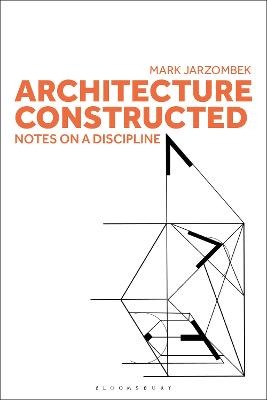
Architecture constructed : Notes on a discipline
In this book, acclaimed architectural theorist Mark Jarzombek examines this tension head-on, and uses it to rethink the nature of the history of architecture. He reveals architecture to be a troubled, interconnected realm, incomplete and unstable, where labor, craft, and occupation are the ‘invisible’ complements to the work of the architect.
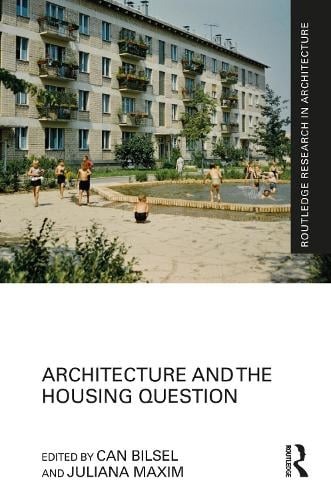
Architecture and the housing question
Examines how the design and provision of housing around the world have become central both to competing political projects and to the architecture profession. How have architects acting as housing experts helped alleviate or enforce class, race, and gender inequality? What are the disciplinary implications of taking on shelter for the multitude as an architectural assignment and responsibility? The book features essays in the historiography of architecture and the housing question, and a collection of historical case studies from Belgium, China, France, Ghana, the Netherlands, Kenya, the Soviet Union, Turkey, and the United States.
Architecture and Collective Life
Addresses the changing nature of public life alongside an analysis of changes in the architectural profession. Contains thought-provoking chapters from some of the disciplines' leading thinkers and draws together new research that helps us to look again at the question of urban development. Focuses on the link between architecture, urban theory and societal ideas.
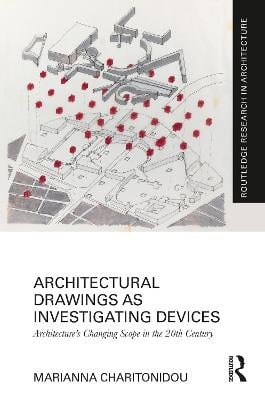
Architectural drawings as investigating devices : Architecture’s changing scope in the 20th century
Explores how the changing modes of representation in architecture and urbanism relate to the transformation of how the addressees of architecture and urbanism are conceived. Diagnoses the dominant epistemological debates in architecture and urbanism during the 20th and 21st centuries. It traces their transformations, paying special attention to Le Corbusier and Ludwig Mies van der Rohe’s preference for perspective representation, to the diagrams of Team 10 architects, to the critiques of functionalism, and the upgrade of the artefactual value of architectural drawings in Aldo Rossi, John Hejduk, Peter Eisenman, and Oswald Mathias Ungers, and, finally, to the reinvention of architectural programme through the event in Bernard Tschumi and the Office for Metropolitan Architecture (OMA). Particular emphasis is placed on the spirit of truth and clarity in modernist architecture, the relationship between the individual and the community in post-war era architecture, the decodification of design process as syntactic analogy and the paradigm of autonomy in the 1970s and 1980s architecture, the concern about the dynamic character of urban conditions and the potentialities hidden in architectural programme in the post-autonomy era.
Architectonics and parametric thinking : computational modeling for beginning design
Architectonics and Parametric Thinking begins by clearly positioning the potentials of parametric design through a series of chapters written by leaders in their respective industries. This helps to situate the vast potential of parametric softwares, allowing the reader to understand the full range of what is made possible by working computationally. Following this theoretical introduction, the book presents a manual that walks readers through the step-by-step construction of parametric modeling scripts built through an architectonic lens using clear, compelling diagrams.

An Illustrated Guide to Furniture History
Provides upper-level students and instructors with an alternative visual analytical approach to learning about furniture history from Antiquity to Postmodernism. Following an immersive teaching model, it presents a Nine-Step Methodology to help students strengthen their visual literacy and quickly acquire subject area knowledge. Moving chronologically through key periods in furniture history and interior design, such as the Renaissance, the Arts and Crafts Movement, and Modernism, it traverses Europe to America to present a comprehensive foundational guide to the history of furniture design.
