



الصفحة 1
الصفحة 1
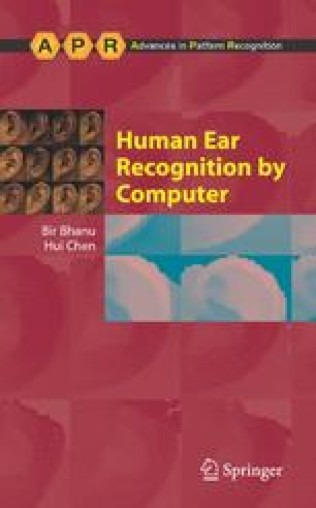
Human Ear Recognition by Computer
Human Ear Recognition by Computer is the first book on the automatic recognition of human ears. It presents an entire range of computational algorithms for recognition of humans by their ears. These algorithms have been tested and validated on the largest databases that are available today,This state-of-the-art research reference explores all aspects of 3D ear recognition, including representation, detection, recognition, indexing and performance prediction. It has been written for a professional audience of both researchers and practitioners within industry, and is also ideal as an informative text for graduate students in computer science and engineering.

Fundamental approaches to software engineering ; 22nd International Conference, FASE 2019, Held as Part of the European Joint Conferences on Theory and Practice of Software, ETAPS 2019, Prague, Czech Republic, April 6–11, 2019, Proceedings
This book cover software verification; model-driven development and model transformation; software evolution and requirements engineering; specification, design, and implementation of particular classes of systems; and software testing.

Fashion Figures : How Missy the Mathlete Made the Cut
Gain an inside perspective on what it’s like when you love math and science and happen to be a girl. Fashion Figures highlights the societal and internal pressures preteen and early-teen girls often face when they excel in these subjects, and it shows strategies for overcoming barriers to being themselves and doing what they love while still fitting in socially.

Computer Aided Verification; 31st International Conference, CAV 2019, New York City, NY, USA, July 15-18, 2019, Proceedings, Part II
The volume cover logics, decision procedures; and solvers; numerical programs; verification; distributed systems and networks; verification and invariants; and concurrency.

Component models and systems for grid applications ; Proceedings of the Workshop on Component Models and Systems for Grid Applications held June 26, 2004 in Saint Malo, France.
This first volume of the CoreGRID series addresses such vital issues as the architecture of the Grid, the way software will influence the development of the Grid, and the practical applications of Grid technologies for individuals and businesses alike. Part I of the book, Application-Oriented Designs, focuses on development methodology and how it may contribute to a more component-based use of the Grid. Middleware Architecture, the second part, examines portable Grid engines, hierarchical infrastructures, interoperability, as well as workflow modeling environments. The final part of the book, Communication Frameworks, looks at dynamic self-adaptation, collective operations, and higher-order components. With Component Models and Systems for Grid Applications, editors Vladimir Getov and Thilo Kielmann offer the computing professional and the computing researcher the most informative, up-to-date, and forward-looking thoughts on the fast-growing field of Grid studies.
