



الصفحة 1
الصفحة 1

Hardening Windows
Hardening is the process of protecting a system against unknown threats. System administrators harden against that which they think could be a threat. Administrators know the Internet is a hostile environment. Although they can't tell, for example, that a hacker will attempt to gain access to the SQL server next Tuesday, they can bet money there'll be an attempt soon and should "batten down the hatches" in anticipation. Hardening Windows, Second Edition is the definitive "counterintelligence" guide to performing preventative security measures for the Windows operating system. This second edition covers the release of Windows XP Service Pack 2 and its new security features, including the Windows Firewall and the Security Center. It also covers Windows Server 2003 Service Pack 1, Windows Server R2's new Security Configuration Wizard, Windows NT, Windows 2000, branch-office security features, and new setup options.
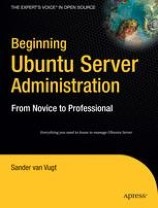
Beginning Ubuntu Server Administration : From novice to professional
You love it as the world's most popular desktop Linux distribution, and now Ubuntu is available at a server near you. Embracing the very same features desktop users have grown to love, system administrators are rapidly adopting Ubuntu due to their ability to configure, deploy, and manage network services more effectively than ever. Beginning Ubuntu Server Administration guides you through all of the key configuration and administration tasks you'll need to know. Whether you're interested in adopting Ubuntu within a Fortune 500 environment or just want to use Ubuntu to manage your home network, this book is your go–to guide to using the distribution securely for a wide variety of network services. Topics include file, print, web, and FTP management, command–line tips and tricks, automated installation, configuration and deployment processes, and kernel management.
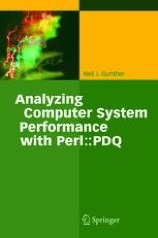
Analyzing computer system performance with Perl::PDQ
Analyzing computer system performance is often regarded by most system administrators, IT professionals and software engineers as a black art that is too time consuming to learn and apply. Finally, this book by acclaimed performance analyst Dr. Neil Gunther makes this subject understandable and applicable through programmatic examples. The means to this end is the open-source performance analyzer Pretty Damn Quick (PDQ) written in Perl As the epigraph in this book points out, Common sense is the pitfall of performance analysis. The performance analysis framework that replaces common sense is revealed in the first few chapters of Part I. The important queueing concepts embedded in PDQ are explained in a very simple style that does not require any knowledge of formal probability theory. Part II begins with a full specification of how to set up and use PDQ replete with examples written in Perl. Subsequent chapters present applications of PDQ to the performance analysis of multicomputer architectures, benchmark results, client/server scalability, and Web-based applications.
