



الصفحة 1
الصفحة 1

Minimally invasive periodontal therapy : Clinical techniques and visualization technology
The long-term success of periodontal therapy is dependent on proper diagnosis and removal of subgingival tooth-borne accretions in the form of calculus and bacteria. From a clinical perspective, better visualization during the diagnostic and therapeutic phases has been shown to yield better results compared to traditional approaches.Minimally Invasive Periodontal Therapy evaluates the advantages of using minimal invasive techniques, the technologies available for enhancing visualization during minimally invasive therapy, and step-by-step illustrates the clinical use of each technique.

High-Strength Ceramics : Interdisciplinary Perspectives
Provides insight into these issues, the editors of this book have assembled the talents of the various stakeholders in this eld. International authorities from a variety of disciplines have come together to share expertise from the biomaterials, industry, clinical, and laboratory perspectives.

ENT : An introduction and practical guide
provides an essential introduction to the clinical examination, treatment options and surgical procedures within ENT. It encompasses the most frequently encountered conditions in the emergency setting, on the ward and in the outpatient clinic. The text has been updated to include new content on implantation surgery for hearing loss. It also includes significant changes in the indications for surgery, patient assessment, management, and surgical techniques. The subjects of dizziness and vertigo have also been updated to include novel interventions.
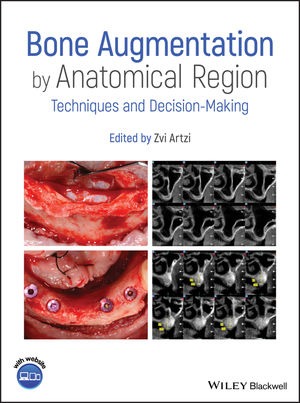
Bone augmentation by anatomical region : Techniques and decision-making
It's a unique, evidence-based guide focusing on each specific anatomical region – anterior maxilla, posterior maxilla, anterior mandible, and posterior mandible – in order to emphasize the correct implemented procedures needed to successfully perform oral osseous reconstruction.
Bailey & Love's essential operations in oral and maxillofacial surgery
Covers all the surgical techniques across the entire remit of the specialty. The content encompasses coverage of safe surgical practice, including human factors, and includes detailed coverage of the major OMFS sub-specialties: Oral Surgery and Implantology, Trauma, Oncology, Reconstructive Surgery, Salivary Gland & Thyroid Surgery, Temporomandibular Joint Disorders, Orthognathic and Craniofacial Surgery, Cleft Lip and Palate, Facial Aesthetic Surgery, and Advances in Operative Oral & Maxillofacial Surgery.

Atlas of Operative Oral and Maxillofacial Surgery
Comprised of concise text and detailed vignettes focusing on surgical indications, contraindications, pertinent anatomy, virtual surgical planning, operative techniques, postoperative management, complications and key points with over 2,000 high-quality images. Serves as an innovative, multidisciplinary, surgical atlas covering core aspects of oral and maxillofacial surgery, head and neck reconstructive surgery, and facial cosmetic surgery. Chapters are written by experts in their fields and are designed to provide high-yield information utilizing a case report format.
