



الصفحة 1
الصفحة 1

GPCRs as Therapeutic Targets ; 2-Vol. Set
Delivers an authoritative and in-depth compendium of a vibrant and active area of academic and industrial drug discovery. The book serves as an important reference for new and experienced researchers studying G protein-coupled receptors and discusses the molecular pharmacology of this important target class. It also includes up-to-date material on GPCR structures and structure-based drug design.

Drug target selection and validation
Focuses on the computational aspects of early drug discovery, drug target identification, and validation. It revises current classical paradigms in target and phenotypic-based drug design with still ingrained approximations and concepts and discusses the research in the new network approach concept that include kinetic selectivity and metabolic analysis. Many often-overlooked approximations and concepts in drug discovery are fully covered. Drug Target Selection and Validation includes both introductory sections and research-based sections to be of use to both students and research scientists in drug discovery, design, kinetics and metabolic analysis. Pharmaceutical scientists, pharmaceutics, drug developers, pharmacologists, biomedical researchers in computer science, medicinal chemists, and precision medicine developers benefit from the information provided. The book concludes with a chapter on chemical and structural databases.
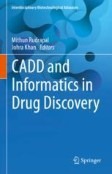
CADD and informatics in drug discovery
Updates knowledge on recent advances in computational and bioinformatics tools/techniques and their practical applications in modern drug design and discovery programme. Also it encompasses fundamental principles, advanced methodologies and applications of various CADD approaches including several cutting-edge areas / presenting recent developments covering ongoing trends in the field of computer-aided drug discovery. Having contributions by a global team of experts, the book is expected to be an ideal resource for drug discovery scientists, medicinal chemists, pharmacologists, toxicologists, phytochemists, biochemists, biologists, RandD personnel, researchers, students, teachers and those working in the field of drug discovery. It will fill the knowledge gaps that exist in the current CADD approaches and methodologies/ protocols being widely used in both academic and research practices. Further, a special focus on current status of various computational drug design approaches (SBDD, LBDD, De-novo drug design, Pharmacophore-based search), bioinformatics tools and databases, computational screening and modeling of phytochemicals/natural products, artificial intelligence and machine learning, and network pharmacology and system biology would certainly guide researchers, students or readers to conduct their research in the emerging area(s) of interest. It is also expected to be highly beneficial to different stakeholders working in the pharmaceutical and biotechnology industries (RandD), the academic as well as research sectors. .
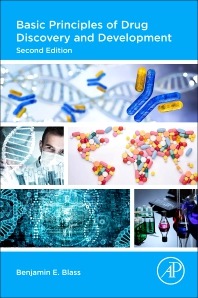
Basic principles of drug discovery and development ; 2nd ed.
Presents the multifaceted process of identifying a new drug in the modern era, which requires a multidisciplinary team approach with input from medicinal chemists, biologists, pharmacologists, drug metabolism experts, toxicologists, clinicians, and a host of experts from numerous additional fields. Enabling technologies such as high throughput screening, structure-based drug design, molecular modeling, pharmaceutical profiling, and translational medicine are critical to the successful development of marketable therapeutics. Given the wide range of disciplines and techniques that are required for cutting edge drug discovery and development, a scientist must master their own fields as well as have a fundamental understanding of their collaborator’s fields.
AI in drug discovery
Constitutes the refereed proceedings of the First international workshop on ai in Drug Discovery, AIDD 2024, held as a part of the 33rd International Conference on Artificial Neural Networks, ICANN 2024, in Lugano, Switzerland, on September 19, 2024. These papers focus on various aspects of the rapidly evolving field of Artificial Intelligence (AI)-driven drug discovery in chemistry, including Big Data and advanced Machine Learning, eXplainable AI (XAI), Chemoinformatics, Use of deep learning to predict molecular properties, Modeling and prediction of chemical reaction data and Generative models.
