



الصفحة 1
الصفحة 1

Neuroprotection : Method and protocols
Contains cutting-edge molecular biology methods on neuroprotective mechanisms and specific preclinical models of the CNS injury, iseases and planning translation. Chapters guide readers through neuropathology, neuroprotection, Alzheimer’s disease, amyotrophic lateral sclerosis, ALS, Huntington’s disease , multiple sclerosis, Parkinson’s disease, spinal cord injury, traumatic brain injury, and ischemic brain injury. Written in the highly successful Methods in Molecular Biology series format, chapters include introductions to their respective topics, lists of the necessary materials and reagents, step-by-step, readily reproducible laboratory protocols, and tips on troubleshooting and avoiding known pitfalls.

Neuromuscular Disease : Evidence and Analysis in Clinical Neurology
Through a series of questions and answers concerning specific neuromuscular disorders, each chapter critiques the best available evidence to illustrate strengths and weaknesses of the data and make the reader aware of the quality of clinical research studies in general. Introductory chapters facilitate this learning process by elucidating the epidemiological and biostatistical issues pertinent to diagnosis, treatment, and prognosis. A broad range of disorders of the anterior horn cell, nerve roots, peripheral nerves, neuromuscular junction, and muscle are critically appraised and discussed.

Neurology Oral Boards Review : A Concise and Systematic Approach to Clinical Practice
Rapid recall of vast amounts of factual material is the key to success in both the Neurology Oral Board examination and in everyday patient care. In Neurology Oral Boards Review: A Concise and Systematic Approach to Clinical Practice, Eroboghene E. Ubogu offers a comprehensive review of relevant topics and examination strategies needed to pass the American Board of Psychiatry and Neurology (ABPN) Part II (Oral) exam, complete with up-to-date, evidence-based guidelines on diagnosis and management in clinical neurology. The author has written the book specifically to satisfy the requirements of the ABPN, with clinical case vignettes designed to allow the examinee to localize the plausible disease process, to indicate which investigations may help in establishing a diagnosis, to deduce treatment plans, and to make a prognosis, including patient and family counseling. The emergency cases test the ability to think critically when faced with a neurological emergency, putting a premium on resuscitation, patient safety, and rapid high-yield investigations. The general neurology cases reflect the breadth of disorders experienced in hospital and outpatient settings. The author also provides a detailed description of the oral ABPN examination and suggests a study regimen that takes into account the difficulties of allotting time to prepare while in post-residency training or practice.

Multiple Sclerosis: Autoimmunity and Management
Multiple sclerosis (MS) is an immune-mediated inflammatory disease that attacks myelinated axons in the central nervous system, destroying the myelin and the axon in variable degrees and producing significant physical disability within 20–25 years in more than 30% of patients. The hallmark of MS is symptomatic episodes that occur months or years apart and affect different anatomic locations. Also, see the Autoimmune Disorders: Making Sense of Nonspecific Symptoms slideshow to help identify several diseases that can cause a variety of nonspecific symptoms. MS is diagnosed on the basis of clinical findings and supporting evidence from ancillary tests. Treatment consists of immunomodulatory therapy for the underlying immune disorder and management of symptoms, as well as nonpharmacologic treatments, such as physical and occupational therapy. Disease-modifying therapies have shown beneficial effects in patients with relapsing MS, including reduced frequency and severity of clinical attacks. These agents appear to slow the progression of disability and the reduce accumulation of lesions within the brain and spinal cord.

MR Imaging in White Matter Diseases of the Brain and Spinal Cord
Comprises a series of comprehensive and up-to-date reviews on the use of MR imaging in these major neurological conditions. The diverse available MR techniques, such as magnetization transfer MRI, diffusion-weighted MRI, MR spectroscopy, functional MRI, cell-specific MRI, perfusion MRI, and microscopic imaging with ultra-high field MRI, offer an extraordinarily powerful means of gaining fundamental in vivo insights into disease processes. The strengths and weaknesses of all these techniques in the study of multiple sclerosis and other relevant diseases are extensively considered. After an introductory section on neuroimaging technology, subsequent sections address disorders of myelination, demyelinating diseases, immune-mediated disorders, and white matter disorders related to aging and other conditions. This book provides a valuable summary of the state of the art in the field, and defines important areas for future research.

Monitoring of Cerebral and Spinal Haemodynamics During Neurosurgery
Monitoring of Cerebral and Spinal Haemodynamics During Neurosurgery is a comprehensive description of subdural monitoring of intracranial pressure (ICP) during neurosurgery.

Minimally Invasive Neurosurgery and Neurotraumatology
Neurotraumatology patients present an enormous challenge to society. Neuros- gical management of brain and spinal cord injury has been a frustrating area, as s- gical methods, especially in moderate and severe injuries, have been limited to control of brain and spinal compression, control of intracranial pressure with its expected effect on cerebral blood flow, and structural repair of the supporting structures (skull, spine, brain and spinal cord coverings). Achieving the best outcome for the neu- traumatology patient, however, requires much more than that.

Evoked Spinal Cord Potentials : An illustrated Guide to Physiology, Pharmocology, and Recording Techniques
This book surveys the neurophysiological and neuropharmacological bases of evoked SCPs with reference to animal studies and to recording those potentials mainly from the spinal epidural space. Generous use of illustrations promotes understanding of the neurophysiological and neuropharmacological backgrounds of monitoring spinal cord functions, and case studies provide additional insight into the monitoring and diagnosis of spinal cord dysfunction and disease.

Essential Physical Medicine and Rehabilitation
In Essential Physical Medicine and Rehabilitation, nationally and internationally recognized experts join forces to summarize the essential facts needed to do a successful clinical rotation in physical medicine and rehabilitation (PM&R). Writing to be quickly read and comprehended, the authors spell out the implications of brain injury, the effects of spinal cord injury, the uses of orthotics and prosthetics, and the crucial importance of cardiac and pulmonary rehabilitation to maximize functional independence.

Erythropoietin and the Nervous System
Erythropoietin and the Nervous System is the first book of its kind to bring together researchers from many different disciplines of neuroscience to present a current state-of-the-art review of multiple aspects of erythropoietin research as it relates to the nervous system. Erythropoietin (EPO) is a chemokine hormone that is widely distributed throughout the body. In addition to its traditional role as a hormone that stimulates red blood cell production, in recent years many laboratories have shown that EPO can act as a neuroprotective compound in a variety of injury paradigms in the nervous system.

Diabetic Neuropathy : Clinical Management
It is leading medical specialists critically review for the general practitioner the latest techniques for the clinical management of diabetic neuropathy. It is also focus on the practical aspects of diabetic neuropathy and describe in detail the treatments that are currently available or expected to become available in the near future. They also include concise discussions of the pathogenesis of diabetic neuropathy and highlight the relatively unknown features of neuropathy that can significantly impact a patient's life.
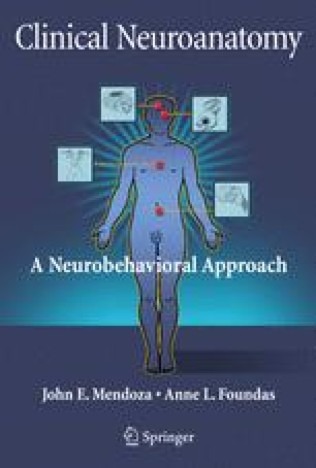
Clinical Neuroanatomy : A Neurobehavioral Approach
This book begins with a traditional review of the basic internal and external morphology, major nerve and fiber tracts, behavioral correlates, and clinical syndromes associated with spinal cord, brain stem, and cerebellum designed to reacquaint students and practicing clinicians with the functional anatomy of the subtentorial central nervous system. However, as the text was specifically geared to meet the needs of those practitioners whose primary interest is in what might be termed "higher order cognitive-behavioral function," the main focus of the text is on the brain itself. Borrowing heavily from a Lurian tradition, the central chapters reflect an attempt to offer more detailed, integrated, and, at times, theoretical models of cortical systems and their internal organization. Additional chapters highlight vascular anatomy and associated pathology, as well as neurochemical systems and their potential clinical relevance.

Brain Edema XIII
The XIII International Symposium on Brain Edema intracerebral hemorrhage. This volume includes papers pre- day satellite conference on the subject. Brain vestigation focusing primarily on the secondary events edema, in many respects, is a marker of underlying which develop after the hemorrhage. pathological processes which include tissue injury There was considerable enthusiasm to continue the from many diseases.
Application of muscle/nerve stimulation in health and disease
The first evidence that electrical changes can cause muscles to contract was p- vided by Galvani (1791). Thus, elect- cal activity graduated from a simple mechanism that is used to elicit muscle c- traction, to a system that could induce permanent changes in muscles and modify most of its characteristic properties.
Anorectal Malformations in Children : Embryology, Diagnosis, Surgical Treatment, Follow-up
The book assembles many new aspects in the broad field of anorectal and genitourinary malformations. Special attention is given to the new surgical techniques posterior sagittal anorectal plasty (PSARP), urogenital sinue advancement, and laparoscopy. The results of an international workshop of 26 international authorities on congenital malformations of the organs of the pelvis and perineum are presented. The new classification proposed at the Krickenberg Conference will enable future studies comparing the types and the results of treatment of anorectal malformations.
Advances and technical standards in neurosurgery : Vol. 32
This volume of Advances and Technical Standards in Neurosurgery covers some important new developments in functional neurosurgery and endovascular therapy. In the Technical Standards section a variety of topics are considered, including optic pathway gliomas, pineal lesions, cavernous sinus meningiomas, and the eternal problem of minor and repetitive head injury. Endovascular treatment of a variety of lesions is now common practice, and the state of the art in endovascular treatment for acute ischemic stroke is reviewed. An appraisal of the evidence on whether there is a place for microsurgical vascular decompression for essential hypertension raises interesting questions.
A Reappraisal of the Ascending Systems in Man, with Emphasis on the Medial Lemniscus
Based on material assembled by Dr Jaap HR Schoen who was one of the few neuroanatomists to apply the Nauta method to human material. Gaining insight in the consequences of longitudinal damage to the human spinal cord is necessary before reimplantation of the avulsed rootlets or an autologous transplant can be performed in man.
