



الصفحة 1
الصفحة 1

Motion Planning in Medicine : Optimization and Simulation Algorithms for Image-Guided Procedures
The monograph written by Ron Alterovitz and Ken Goldberg combines ideas from robotics, physically-based modeling, and operations research to develop new motion planning and optimization algorithms for image-guided medical procedures. A challenge clinicians commonly face is compensating for errors caused by soft tissue deformations that occur when imaging devices or surgical tools physically contact soft tissue. A number of methods are presented which can be applied to a variety of medical procedures, from biopsies to anaesthesia injections to radiation cancer treatment. They can also be extended to address problems outside the context of medical robotics, including nonholonomic motion planning for mobile robots in field or manufacturing environments.

Modern Sports Dentistry
A one-stop reference that will assist primary care community dentists, sports physicians, athletic trainers, and emergency room physicians in meeting the needs of athletes when managing facial and dental trauma and sports-related oral diseases. The opening chapters provide a complete review of sports-related dentoalveolar trauma, with coverage of emergent care, the role of endodontics, surgical issues, and restorative considerations. Prevention of dental trauma by means of mouthguards is then examined, with attention to materials and design, public policy concerning the use of mouthguards, and the role of mouthguards in relation to the ever more pressing issue of concussion in sport. Dental erosion in athletes, for example due to energy drinks, is discussed, as are the possible sequelae of use of spit tobacco, performance-enhancing drugs, and ergogenic aids. The new topic of the potential value of dental appliances in enhancing sports performance is also addressed.

Modern implant dentistry
A comprehensive look at the state of implant dentistry today, equipping beginners and seasoned clinicians alike to improve their skills and practice implant dentistry safely and predictably. The early chapters focus on the biology of dental implants as well as medical considerations required prior to placing them, followed by chapters dedicated to documentation, treatment planning, and digital workflow. Surgical concepts are then described in detail, from single-tooth extraction to guided All-on-X treatment, followed by detailed discussion of the prosthetic options available in implant dentistry. The final chapters include relevant topics such as soft tissue management in implant dentistry, treatment of peri-implant disease, the socket shield technique, and marketing of dental implant therapy. Written by experienced clinicians from all over the world, the book includes over 60 surgical and clinical videos (linked via QR codes) to demonstrate what the procedures and techniques and products look like in real life, not in a photograph taken in ideal conditions, so readers can be confident in their understanding.

Mechanisms of mineralization of vertebrate skeletal and dental tissues
Presents a multi-disciplinary approach to understanding mechanisms regulating the formation of mineral in vertebrate skeletal and dental tissues. The focus of the book is directed toward the mineralization process, an evolutionarily conserved system in which cells synthesize a complex and unique extracellular matrix into which mineral is deposited. Regulatory control is viewed though lenses that emphasize the genetic, physical-chemical, biochemical, structural, cellular and extracellular aspects of the mineralization process as they relate to crystal nucleation, growth and maturation. Throughout the book, defects in regulation at the genetic and transcriptional levels are linked to the numerous clinical problems associated with the mineralization of bone, cartilage, tendon, tooth, and soft tissues.

Maxillofacial Imaging
Demonstrates how advanced medical imaging techniques can be successfully applied to dental and maxillofacial conditions. There is a focus on CT and MRI, but the use of all contemporary imaging techniques are illustrated including PET, PET/CT, ultrasonography, and cone beam CT. The presentation is in atlas style, with succinct, bulleted text and a wealth of high-quality images in multiple planes. All images for each patient are grouped to enable the reader very quickly to gain an imaging overview of the condition under consideration. After a comprehensive introductory chapter on normal imaging anatomy, the role of advanced imaging techniques is described in pathologic conditions of the mandible and maxilla, temporomandibular joint, regions closely related to the jaw, paranasal sinuses, oral cavity, salivary glands, and structures adjacent to the maxillofacial region. A concluding chapter examines the use of interventional procedures for diagnosis and treatment of maxillofacial conditions. Compared with the first edition, numerous additional cases have been incorporated and a completely new chapter focuses on cone beam CT.

Implant therapy : Clinical approaches and evidence of success
Brings together the knowledge of the foremost leaders in implant dentistry, covering all aspects of the treatment process, from decision-making and treatment planning through imaging, surgical techniques, bone and soft tissue augmentation, multidisciplinary approaches, loading protocols, and finally strategies for preventing and treating complications and peri-implantitis as well as providing effective implant maintenance therapy. Filled with expert knowledge based on decades of research and clinical experience as well as abundant illustrations and clinical case presentations, this book is an indispensable resource for clinicians seeking to provide implant treatment at the highest standard of care.

Imaging of Soft Tissue Tumors
This book provides a comprehensive survey of the growing role of medical imaging studies in the detection, staging, grading, tissue characterization, and post-treatment follow-up of soft tissue tumors. For each tumor group, imaging findings are correlated with clinical, epidemiologic, and histologic data.

Gingival Recession Management
Designed to serve as a clear and concise clinical manual that covers all aspects of the current management of gingival recession, with a particular focus on surgical techniques with the adjunctive use of autogenous tissues or soft tissue substitutes for recession coverage.

Fundamentals of implant dentistry ; Vol.1 : Prosthodontic Principles
Focuses on the design and fabrication of implantretained prostheses. The authors of this definitive textbook cover the full range of restorative treatment options for edentulous and partially edentulous situations, from relatively simple problems that can be handled by a solo practitioner to those with substantial prosthodontic complexities, periodontal compromise of existing dentition, and significant bone and soft tissue defects. Throughout, the authors emphasize the importance of an interdisciplinary approach and demonstrate how it encourages the best results, particularly when restoring partially edentulous patients.

Fundamentals of Implant Dentistry : Vol.2: Surgical Principles
Significant improvements have been achieved in patient evaluation, methods used to enhance the bone and soft tissues of potential implant sites, and surgical techniques to prepare the osteotomy sites and place the implants. In particular, CBCT scans and associated software planning programs now enable the implant team to analyze the bone sites in three dimensions in relation to the proposed contours of the implant-retained prosthesis; select implants of suitable diameter, length, and configuration; position them virtually in ideal locations; and fabricate surgical templates that enable surgeons to prepare the osteotomy sites and place the implants with great precision.

Fundamentals of craniofacial malformations ; Vol.2 : Treatment principles
Readers will find detailed discussion of the treatment principles for craniosynostoses, orofacial clefts, branchio-oculo-facial syndromes, soft tissue malformations, dysgnathia and rare syndromes. In addition to description of important facets of treatment and the treatment planning process, guidance is offered on diagnosis and disease classification.

Fundamentals of craniofacial malformations ; Vol.1 : Disease and diagnostics
Opens by considering general topics such as developmental biology and disease classification and then examines in depth the biological basis of the various malformations, including craniosynostoses, cleft-lip and palate with complex orofacial clefts, branchio-oculo-facial syndromes, rare syndromes, soft tissue malformations, and dysgnathia. Psychological aspects, including psychological evaluation methods and therapies and quality of life issues, are then addressed. Finally, all relevant clinical, radiological, and genetic investigations are described and important diagnostic issues are explored.

Esthetic and functional management of Diastema : A multidisciplinary approach
Offers detailed guidance on integrated orthodontic, periodontal, and restorative solutions for the treatment of diastema, highlighting the advantages of such a multidisciplinary approach and presenting suitable clinical protocols for esthetic reconstruction and functional improvement.

Dental implant treatment in medically compromised patients
This book is an ideal reference guide for clinicians seeking to improve their decision making and treatment outcomes when placing dental implants in medically compromised patients, in whom conditions for osseointegration and soft tissue healing may be unfavorable.

Deformable Models : Theory and Biomaterial Applications
Deformable Models: Theory and Biomaterial Applications is the second installation in the two-volume set Deformable Models which provides a wide cross-section of the methods and algorithms of variational and PDE methods in biomedical image analysis. The chapters are written by well-known researchers in this field, and the presentation style goes beyond an intricate abstraction of the theory into real application of the methods and description of the algorithms that were implemented. As such these chapters will serve the main goal of the editors of the volumes in bringing down to earth the latest in variational and PDE methods in modeling of soft tissues, covering the theory, algorithms, and applications of level sets and deformable models in medical image analysis.

Deformable Models : Biomedical and Clinical Applications
Deformable Models: Biomedical and Clinical Applications is the first entry in the two-volume set which provides a wide cross-section of the methods and algorithms of variational and Partial-Differential Equations (PDE) methods in biomedical image analysis. The chapters of Deformable Models: Biomedical and Clinical Applications are written by the well-known researchers in this field, and the presentation style goes beyond an intricate abstraction of the theory into real application of the methods and description of the algorithms that were implemented. As such these chapters will serve the main goal of the editors of these two volumes in bringing down to earth the latest in variational and PDE methods in modeling of soft tissues.

Deadly Dermatologic Diseases : Clinicopathologic Atlas and Text
Includes understanding of the biologic behavior of pigmented lesions, cutaneous lymphomas, vascular lesions, and soft tissue tumors.It discusses a wide variety of entities–neoplastic, vascular, infectious, metabolic–each of which may eventuate in death of the patient. In addition, numerous tumors and dermatoses frequently associated with internal malignancies are reviewed. High-quality histologic photomic- graphs and clinical pictures accompany many of the discussions.

Material Modeling in Finite Element Analysis
Presents some specific problems including the metal-forming process, combustion room, Mullins effect of rubber tires, viscoelasticity of liver soft tissues, small punch test, tunnel excavation, slope stability, concrete slump test, orthodontic wire, and piezoelectric microaccelerometer.
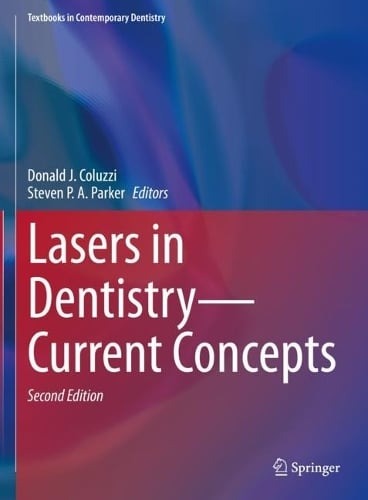
Lasers in dentistry—current concepts ; 2nd ed.
Provides information on the basic science and tissue interactions of dental lasers and documents the principal current clinical uses of lasers in every dental discipline. The applications of lasers in restorative dentistry, endodontics, dental implantology, pediatric dentistry, periodontal therapy, and soft tissue surgery are clearly described and illustrated. Information is also provided on laser-assisted multi-tissue management, covering procedures such as crown lengthening, gingival troughing, gingival recontouring, and depigmentation.
Lasers in dentistry -- current concepts ; 1st ed.
Provides information on the basic science and tissue interactions of dental lasers and documents the principal current clinical uses of lasers in every dental discipline. The applications of lasers in restorative dentistry, endodontics, dental implantology, pediatric dentistry, periodontal therapy, and soft tissue surgery are clearly described and illustrated.
