



الصفحة 1
الصفحة 1

New Vision of Metformin in treating cancer
The anti-diabetic drug metformin is rapidly emerging as a potential anticancer agent. Metformin is a biguanide that is effective in treating type 2 diabetes and the insulin resistance syndromes, improves insulin resistance by reducing hepatic gluconeogensis and by enhancing glucose uptake by skeletal muscle. Metformin can reduce the incidence of cancers and can reduce the mortality from cancers, increase the response to treatment cancer cells when using radiotherapy and chemotherapy, reduce the likelihood of relapse. Diabetes can be a factor in the occurrence of various types of cancer, and develop a variety of cancers such as colo-rectal, pancreas and liver cancers, compared to non-diabetic patients. Incidence of various cancers is high among patients of T2DM due to insulin resistance and mitogenic effects caused by hyperglycemia.

Mitochondrial Medicine : Mitochondrial Metabolism, Diseases, Diagnosis and Therapy
Mitochondrial Medicine is a relatively new area where several disciplines from basic science to clinical medicine converge. Mitochondrial medicine deals with diseases that are related to mitochondrial dysfunction due to a number of causes from free radical damage to genetic mutation.

Hypoxia and the circulation
The hypoxia volumes will focus on cutting edge research at the interface of hypoxia and biomedicine. Hypoxia is a constant threat to the human body and its vital organs throughout life. There are many situations in which the threat is heightened in health and disease, but mechanisms have evolved to lessen its detrimental effects.

Hypoxia and Exercise
The 14th volume in the series will focus on cutting edge research at the interface of hypoxia and exercise. The work will cover the range from molecular mechanisms of muscle fatigue and muscle wasting to whole body exercise on the world’s highest mountains. State of the art papers on training at high altitude for low altitude athletic performance will also be featured.

Hormones, metabolism and the benefits of exercise
The world is faced with an epidemic of metabolic diseases such as obesity and type 2 diabetes. This is due to changes in dietary habits and the decrease in physical activity. Exercise is usually part of the prescription, the first line of defense, to prevent or treat metabolic disorders. However, we are still learning how and why exercise provides metabolic benefits in human health. This open access volume focuses on the cellular and molecular pathways that link exercise, muscle biology, hormones and metabolism. This will include novel “myokines” that might act as new therapeutic agents in the future.

Cell volume and signaling
In front of you is the finished product of your work, the text of your contributions to the 2003 Dayton International Symposium on Cell Volume and Signal Transduction. As we all recall, this symposium brought together the Doyens of Cellular and Molecular Physiology as well as aspiring young investigators and students in this field.
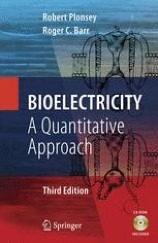
Bioelectricity : A Quantitative Approach
"The authors’ goal in producing this book was to provide an introductory text to electrophysiology, based on a quantitative approach. In attempting to achieve this goal, therefore, the authors have opened the book with a useful, and digestible, introduction to various aspects of the mathematics relevant to this field, including vectors, introduction to Laplace, Gauss’s theorem, and Green’s theorem. This book will be useful for students in medical physics and biomedical engineering wishing to enter the field of electrophysiological investigation. It will also be helpful for biologists and physiologists who wish to understand the mathematical treatment of the processes and signals at the center of the interesting interdisciplinary field.
