



الصفحة 1
الصفحة 1

Imaging in Drug Discovery and Early Clinical Trials
Efficient tools for the selection and validation of drug targets both at the preclinical and clinical level are required. Non-invasive imaging and in particular molecular imaging methods are becoming essential technologies to support drug discovery and dvelopment. Imaging provides structural, functional, metabolic and molecular readouts that are being applied to characterize a disease phenotype (diagnosis), to elucidate molecular mechanisms involved, to evaluate drug efficacy and safety, and to identify potential biomarkers of the drug's mechanism-of-action, efficacy and safety. Non-invasive imaging techniques constitute a bridge between preclinical and clinical drug evaluation. In this monograph the contribution of imaging modalities to the various stages of drug discovery and development, from early target validation to their use in clinical development programs, is described. Chapters are devoted to the description of the drug discovery process as such, to the various imaging modalities being used both preclinically and clinically, to applications of imaging during the optimization of a lead compound (addressing issues such as bioavailability and efficacy) and during the drug safety evaluation.

Drug safety evaluation : Methods and protocols
Focuses on the most recent advances in the field of drug safety evaluation. Divided into seven parts, chapters detail specific aspects related to the experimental design of preclinical studies conducted to support the safety of pediatric and combination drugs, necropsy and histopathology evaluation, mass spectrometry imaging, genetic toxicology protocols including the Pig-a mutation assay, safety pharmacology methods such as automatization of patch-clamp procedures, target safety assessment for investigative toxicology, screening assays for developmental toxicology, and methods to characterize novel translational safety biomarkers like microRNAs. Written in the highly successful Methods in Molecular Biology series format, chapters include introductions to their respective topics, lists of the necessary materials and reagents, step-by-step, readily reproducible laboratory protocols, and tips on troubleshooting to avoid known pitfalls.

Drug safety evaluation
Presents an all-inclusive practical guide for those who are responsible for developing new drugs and ensuring the safety of an ever-expanding spectrum of therapeutics. This book helps readers understand how the safety of these products are evaluated for use. Extensively revised to reflect up-to-date information, this edition includes changes to the scope of products (vaccines, small synthetic, large protein moieties, cells and tissues), harmonized global and national regulatory requirements, the therapeutic development process, and available technologies to identify and evaluate the relevance of potential patient risks

Justifying the Dependability of Computer-based Systems : With Applications in Nuclear Engineering
The book also explores some of the more fundamental aspects of safety evaluation, such as the nature of models, arguments, evidence and documentation, and the ways to deal with different types of risk and uncertainty. Justifying the Dependability of Computer-based Systems will be of value to software, computer system, instrumentation and control engineers, and regulators working in industry sectors such as nuclear safety.
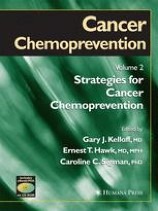
Cancer Chemoprevention ; Vol.2 : Strategies for Cancer Chemoprevention
In Cancer Chemoprevention, Volume 2: Strategies for Cancer Chemoprevention, leading chemopreventives investigators comprehensively describe the exciting methodologies that are accelerating progress in the chemoprevention field and review the state of clinical development of preventive agents in the major human cancer target organs. The authors provide sound guidelines for cancer chemopreventive drug development, detailing general strategies and methods for drug discovery, preclinical efficacy, characterization of precancers, safety evaluation of clinical cohorts, and clinical trial design.
