



الصفحة 1
الصفحة 1

Iatrogenic effects of orthodontic treatment : Decision-making in prevention, diagnosis, and treatment
This book is a well-illustrated guide to the iatrogenic effects of orthodontic treatment that provides practical information on orthodontic diagnosis, treatment planning, and post-treatment retention and highlights preventive measures to avoid complaints and lawsuits.

Evidence-based Clinical Orthodontics
Takes an unbiased approach to orthodontics by systematically reviewing the relevant clinical literature and analyzing the scientific evidence to help practitioners select the most effective and efficient modes of treatment. Each chapter addresses a specific topic by summarizing the literature, critically reviewing the evidence, and offering impartial recommendations that can be adopted by clinical practitioners.

Diagnosing and managing temporomandibular joint conditions
Aims to contribute to current knowledge in diagnosing and managing temporomandibular joint (TMJ) disease. Individual chapters cover imaging techniques, myofascial pain, minimally invasive techniques, and operative arthroscopy. The book includes two chapters on condylar head changes regarding condylar resorption and condylar hyperplasia. The book concludes with the issues of TMJ reconstruction with total joint replacement. This book is intended for dentists, oral surgeons, maxillofacial surgeons, ENT physicians, students, and anyone interested in TMJ disease.
Lysosomes
This book summarizes the current state-of-the art knowledge about this unique organelle. It addresses the biogenesis of this compartment, the transport of lysosomal proteins, the role of the lysosomal membrane in lysosomal stability and transport, the function of lysosomal proteases and hydrolases, lysosomal storage disorders, and new concepts on how to treat these diseases.

Jaundice
Jaundice in an adult patient can be caused by a wide variety of benign or life-threatening disorders. Organizing the differential diagnosis by prehepatic, intrahepatic, and posthepatic causes may help make the work-up more manageable. Prehepatic causes of jaundice include haemolysis and hematoma resorption, which lead to elevated levels of unconjugated (indirect) bilirubin. Intrahepatic disorders can lead to unconjugated or conjugated hyperbilirubinemia. The conjugated (direct) bilirubin level is often elevated by alcohol, infectious hepatitis, drug reactions, and autoimmune disorders. Posthepatic disorders also can cause conjugated hyperbilirubinemia. Gallstone formation is the most common and benign posthepatic process that causes jaundice; however, the differential diagnosis also includes serious conditions such as biliary tract infection, pancreatitis, and malignancies.
Clinical Management of Orthodontic Root Resorption
This book in being dedicated solely to root resorption caused by orthodontic tooth movement. While the core content is based on scientific evidence, the book is intended as a practical aid for the clinician who performs orthodontics.
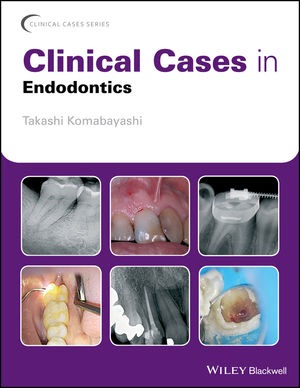
Clinical cases in endodontics
Presents actual clinical cases, accompanied by academic commentary, that question and educate the reader about essential topics in endodontic therapy. It begins with sets of cases illustrating the most common diagnoses and the steps involved in preparing a treatment plan. Subsequent chapters continue in this style, presenting exemplary cases as the basis of discussing various treatment options, including nonsurgical root canal treatment, re-treatment, periapical surgery, internal and external resorption, emergencies and trauma, and treating incompletely developed apices.
Bone Resorption
Bone Resorption, the second volume in the series Topics in Bone Biology, deals with the osteoclast, the bone-resorbing cell, its origins, its enzymes, the regulation of osteoclast activity, and structural aspects of bone resorption. Diseases involving osteoclast function are discussed from the genetic viewpoint in two chapters that span transgenic mouse models to human pathology. Another chapter treats diseases of osteoclast function. Because osteoporosis may be considered a disease in which the bone resorption rate exceeds formation, a separate chapter deals with current and potential therapeutic approaches to this widespread disease that affects both men and women. Bone metastases and an analysis of the central role of the osteoclast in this condition are treated in the concluding chapter.
Biology of orthodontic tooth movement : current concepts and applications in orthodontic practice
Presents the current knowledge and understanding of the biological processes involved in the orthodontic movement of teeth and discusses recent progress in the field. It links research advances to their immediate clinical applications and offers researchers and clinicians a state of the art reference on topical issues relating to orthodontic tooth movement.
