



الصفحة 1
الصفحة 1

Mediterranean Island Landscapes : Natural and Cultural Approaches
Mediterranean islands exhibit many similarities in their biotic ecological, physical and environmental characteristics. There are also many differences in terms of their human colonization and current anthropogenic pressures. This book addresses in three sections these characteristics and examines the major environmental changes that the islands experienced during the Quaternary period. The first section provides details on natural and cultural factors which have shaped island landscapes. It describes the environmental and cultural changes of the Holocene and their effects on biota, as well as on the current human pressures that are now threats to the sustainability of the island communities. The second section focuses on the landscapes of the largest islands namely Sicily, Sardinia, Corsica, Cyprus, Crete, Malta and the Balearics. Each island chapter includes a special topic reflecting a particular characteristic of the island. Part three presents strategies for action towards sustainability in Mediterranean islands and concludes with a comparison between the largest islands.

High resolution morphodynamics and sedimentary evolution of estuaries
This book focuses on the use of high-resolution geophysical techniques, field observations and modeling to investigate the morphodynamics of estuaries on both glaciated and non-glaciated coasts and on different time scales. Papers in this book offer a new approach to nearshore and estuary studies, with an emphasis on multidisciplinary techniques and data integration. Results of these studies have important implications for estuary resource management and shoreline stability. This book will be of interest to sedimentologists, coastal and Quaternary geologists, environmental scientists, and coastal managers.
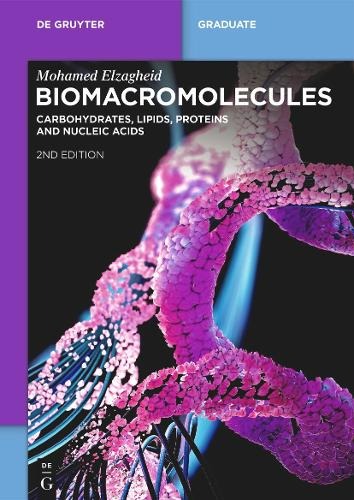
Biomacromolecules : Carbohydrates, lipids, proteins and nucleic acids
The first chapter looks at the structural formulas and cyclic forms of monosaccharides, as well as their synthesis and breakdown. Cyclization, enolization, isomerization, tautomerization, mutarotation, and epimerization are all briefly described. Examples of disaccharides and polysaccharides are also presented. The second chapter covers triglycerides, steroids, vitamins, and their constituents. The third chapter examines the primary structure of proteins, including amino acid properties, peptide bond formation, and peptide synthesis. It also addresses secondary, tertiary, and quaternary structures. The book concludes with a chapter on nucleic acids, which covers the chemistry of nucleosides and oligonucleotides as well as topics such as genetic code, DNA secret code, Polymerase Chain Reaction and DNA fingerprinting.
Arabian Deserts : Nature, origin and evolution
This is the first comprehensive survey of all the deserts of Arabia, based largely on the author's 50 years of experience there. The text deals with every kind of desert in the region, from vast sand seas to clay pans and stony plains to volcanic flows.
