



الصفحة 1
الصفحة 1

Nutritional psychiatry : A primer for clinicians
There is increasing evidence that mental health problems such as schizophrenia, depression and anxiety are linked with poor nutrition. At present, very few psychiatrists provide nutritional advice for their patients, despite such advice complimenting drug and psychological therapies. This edited volume is the first book to provide a comprehensive overview of the relationship between nutrition and mental health, for mental health professionals. Featuring contributions from leading authorities in the field, the book examines the link between diet and the microbiome-gut brain axis and how this correlates with a variety of psychiatric disorders. The book explores how enhancing the beneficial bacteria in the gut, through the use of psychobiotics, prebiotics or dietary change can improve mood and reduce anxiety.

Nutritional psychiatry
Provides a comprehensive overview of nutritional psychiatry, elucidating its theoretical foundations, the biological mechanisms linking diet to mental health (including inflammation, oxidative stress, disrupted energy metabolism the gut–brain axis and other implicated pathways), and the current evidence base for dietary impacts on major psychiatric disorders such as depression, anxiety, schizophrenia, bipolar disorder, and ADHD.

Neuropsychiatric Disorders : An Integrative Approach
This multidisciplinary book includes current research papers and reviews in the areas of basic neuroscience, neural mechanisms underlying neurodegenerative disorders. It further includes new approaches for neuroprotective treatments, clinical, neurobiological and treatment aspects of psychiatric disorders. The book was conceived as a celebration of the professional life and work of Peter Riederer to mark the occasion of his retirement.

Neuroactive Steroids in Brain Function, Behavior and Neuropsychiatric Disorders : Novel Strategies for Research and Treatment
Over the past few decades the involvement of neurosteroids in brain function and mental health has attracted much interest, not only from a neuroscience perspective, but also from clinical and therapeutic aspects. In recent years, much of the research has focused on the multifunctional position of neurosteroids in the nervous system. The areas that have been explored, in particular, are the cellular and molecular mechanisms involved in the activity of neurosteroids in the brain, the role of neurosteroids in brain development, neurodegeneration and neuroplasticity, and their pharmacological properties. The large increase in the number of publications highlights this amplified interest in neurosteroids. Over the last 7 years at least 400 papers have been published describing the putative role of neurosteroids in the modulation of basic brain function and in the etiology and treatment of psychiatric and neurological disorders.

Homocysteine : Related Vitamins and Neuropsychiatric Disorders
There is an increasing interest in the connection between the homocysteine metabolism and neuropsychiatric disease with a steeply increasing number of publications. In particular, the association between homocysteine metabolism and cognitive decline/dementia attracts much interest. If simple, non-toxic homocysteine-lowering treatment with vitamins can reduce the incidence of, or delay the onset of dementia, it would have an enormous impact in societies with a rapidly increasing number of elderly at risk for dementia. This book summarises the research within the neuropsychiatric field, but also gives an overview of the underlying biochemistry and of diagnostic aspects.

Fishs clinical psychopathology : Signs and symptoms in psychiatry
The fifth edition of this modern classic presents the clinical descriptions and psychopathological insights for which this text is renowned, and adds suggested questions to assist with eliciting key symptoms. It also covers recent revisions of diagnostic classification systems, including the World Health Organization's ICD-11: International Classification of Diseases. Clear and readable, this new edition provides concise descriptions of the signs and symptoms of mental illness and astute accounts of the varied manifestations of disordered psychological function. Designed for use in clinical practice, this is an essential text for students of medicine, trainees in psychiatry, and practising psychiatrists.

Estrogen Effects in Psychiatric Disorders
A number of studies, mostly focusing on estrogen replacement therapy in women, have reported beneficial actions of these hormones on various neurobiological and neuropathological parameters in health and disease. Recent research has focused on gender differences and there is increasing evidence that estrogens exert protective effects in schizophrenia. Hormonal fluctuations or lack of estrogen may increase the risk of depression among vulnerable women. Treatment of depression with estrogen may stabilize and restore disrupted homeostasis – as during post-partum, premenstrual, or perimenopausal conditions – and act as a psychomodulator to offset vulnerability to dysphoric mood when estrogen levels are significantly decreased, as in the case of postmenopausal women. Studies on the effect of estrogens on Alzheimer’s Disease are still rather controversial, they do, however, facilitate the hypothesis that estrogens may have a modifying effect on the onset and course of AD, at least in subgroups of patients.

Deep Brain Stimulation in Neurological and Psychiatric Disorders
Deep Brain Stimulation in Neurological and Psychiatric Disorders discusses today’s most current and cutting-edge applications of DBS. Initially used to treat Parkinson’s disease and essential tremor, DBS now has new clinical indications, new anatomic targets, and new technologies that enable an expanded role for DBS in the treatment of other movement disorders.
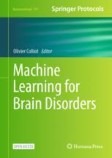
Machine learning for brain disorders
Organized into five parts. Part One presents the fundamentals of ML. Part Two looks at the main types of data used to characterize brain disorders, including clinical assessments, neuroimaging, electro- and magnetoencephalography, genetics and omics data, electronic health records, mobile devices, connected objects and sensors. Part Three covers the core methodologies of ML in brain disorders and the latest techniques used to study them. Part Four is dedicated to validation and datasets, and Part Five discusses applications of ML to various neurological and psychiatric disorders.

Lifestyle psychiatry through the lens of behavioral medicine
Lifestyle medicine is a practice which adopts evidence-based lifestyle interventions as a primary modality to prevent, treat, and reverse chronic diseases. The six main pillars of this specialty include physical activity, nutrition, stress resilience, cessation or risk reduction of substance use, quality sleep, and connectivity. Lifestyle psychiatry is a rapidly emerging area within healthcare informed by rigorous research within the social and biological sciences, public health, and medicine. A volume in the Lifestyle Medicine series, this book uses a comprehensive biopsychosocial approach to prevent and treat psychiatric disorders and promote mental and physical well-being through evidence-based lifestyle interventions.
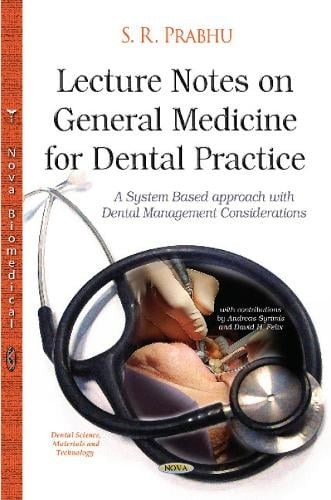
Lecture Notes on General Medicine for Dental Practice : A System based Approach with Dental Management Considerations
Offers a system based approach covering a broad range of topics in general medicine for dental practice. The book includes chapters on history taking and patient interview, general physical examination, system specific examination, common health related complaints, systemic infections, and diseases of the gastrointestinal, cardiovascular, respiratory, neurological, immunological, renal, endocrinal, dermatological and musculoskeletal systems. Nutritional disorders, psychiatric disorders, the female patient with menstrual, menopause and pregnancy related disorders, dental management of patients taking medications for systemic conditions and medical emergencies in dental practice have also been discussed in some detail.
Cannabinoids and the brain
Cannabinoids and the Brain gives a comprehensive overview of all the essential literature concerning the endocannabinoid and related systems in the nervous tissue. It is a rapidly expanding research field and the widespread presence of cannabinoids in most physiopathological mechanisms appear to hinder the effort to fully cover the subject. By the end of the book, the reader will have a solid knowledge of the genetics, molecular biology, anatomy, pharmacology, and physiology of the endocannabinoid system and its involvement in neurological and psychiatric disorders, and will eventually discover a natural relationship among marijuana, aspirin, and chili pepper.

Anxiety disorders : A pocket guide for primary care
In Anxiety Disorders: A Pocket Guide for Primary Care, distinguished clinicians combine over a century of experience into concise, practical information and techniques for the diagnosis, evaluation, and effective management of psychiatric disorders.
