



الصفحة 1
الصفحة 1

New Age herbals : Resource, quality and pharmacognosy
Importance of herbs (medicinal plants) can hardly be overemphasized. They are exploited for manyfold applications, ranging from phytopharmaceuticals, to nutraceuticals, to cosmetics and many others. Keeping in view the richness of herbs and their vast potential, this book collates the most up-to-date knowledge of important herbs and herbals. The book also gives an overview of some issues causing hindrance in the promotion of herbals. This book attempts to compile the rich experience of experts working on various herbs. New age single plant species, having multiple medicinal traits worth exploiting i.e. Hippophae rhamnoides (seabuckthorn), and Morinda citrifolia (noni) also find place as full chapters in the book.

Micropropagation methods in temporary immersion systems
Presents vital techniques for the commercial micropropagation of plants. It explores numerous micropropagation protocols in different types of temporary immersion systems for plant species with agricultural, medicinal, ornamental, and forestry interest, detailing the type of bioreactor and the optimal parameters necessary to guarantee obtaining the largest number of commercial propagules. Written for the highly successful Methods in Molecular Biology series, chapters include introductions to their respective topics, lists of the necessary materials and reagents, step-by-step and readily reproducible laboratory protocols, and tips on troubleshooting and avoiding known pitfalls.

Medical biotechnology, biopharmaceutics, forensic : science and bioinformatics
Covers a range of topics on exploiting Nigeria’s mega biodiversity for food security and health; DNA forensic science and its applications; medical biotechnology and biopharmaceutics; medicinal and underutilized plants; impact and mitigation of antibiotic resistance; bioinformatics applications; medical insect biotechnology; etc. The book will be useful reference material for the scientists and researchers working in the fields of nutraceuticals, molecular diagnostics and DNA forensics, biopharmaceuticals and medical biotechnology, nanotechnology, antimicrobials from indigenous plant species, bioinformatics, etc.

Iron Nutrition in Plants and Rhizospheric Microorganisms
This book uses an interdisciplinary approach to provide a comprehensive review on the status of iron nutrition in plants. International scientists discuss research on acquisition of iron by strategy I and strategy II plants. These reviews summarize a variety of plant species and include both laboratory and field observations. Topics covered in this book include: plants as a source of iron for animals and humans, iron translocation in the plants, iron-stimulated activities that influence crop yield and fruit tree productivity, iron uptake by plants as influenced by microorganisms (i.e. free living soil microorganisms, symbiotic nitrogen-fixing and pathogenic bacteria), the role of plant hormones in iron transport, iron-metal competition in phytoremediation, root zone activities involving interactions between minerals and organic matter, the role of microbial siderophores in rhizospheric iron cycling, iron storage as phytoferritin, proteomic and metabolic studies associated with iron stress response, methods for studying iron metabolism including stable isotopes, and the correction of iron deficiency through the use of synthetic or natural chelates.

Encyclopedia of medicinal plants
This compilation reports different therapeutic plant species, most ordinarily utilized by native persons throughout the planet. The botanical term, family name, dialect name, partly utilized, and the use of the plants have been mentioned in this work. This encyclopedia presents a rundown of restorative plants generally used for relieving disorders, their bioactive elements, and their means of operation.
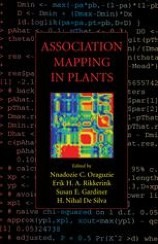
Association Mapping in Plants
For the past decade, there has been success in using conventional map-based strategies in identification and cloning of quantitative trait loci (QTL) in model plant species including tomato and Arabidopsis. These quantitative traits are generally the products of many loci with varying degrees of effect upon the observed phenotypes. Recently, a new approach to genetic mapping has emerged called association mapping. This new technique takes into account the thousands of genes to evaluate for QTL effect and is a more efficient approach that does not require generation of segregating populations/large numbers of progeny. As it can utilize all of the historic recombination events in a diverse population of individuals it can generate higher resolution genetic maps and, is needed to complement current map based cloning methods.
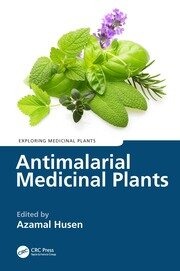
Antimalarial medicinal plants
Malaria continues to affect a large population of the world, especially in third world countries. The spread of drug-resistant parasites demonstrates the need for antimalarial agents with various modes of action. The search for remedies derived from medicinal plants for the treatment of malaria is reliant on accurate ethnobotanical and ethnopharmacological information obtained from traditional medical practitioners. Antimalarial Medicinal Plants provides information on bioactive compounds and therapeutic potentials of several antimalarial plant species found around the globe. This book evaluates these plant species with respect to their biology, diversity, distribution, and pharmacological values.
