



الصفحة 1
الصفحة 1

Obesity and Cancer
This book highlights the concordance between signaling pathways that are involved in obesity and cancer cross-talks. It describes the role of cytokines, chemokines, growth factors, insulin, and adipokines in the development of obesity-associated cancers. The book reviews the role of inflammatory signaling pathways such as estrogen-mediated signaling, mTOR and AMP-activated protein kinase pathway and the involvement of adaptive and innate immunity, oxidative stress, gene polymorphism, dietary phytochemicals, and miRNAs in obesity and cancer. In addition, it covers the latest research on the drugs and natural therapeutic agents that target obesity-induced cancers and discusses various in vivo models for studying obesity and obesity-associated cancer. Lastly, it analyses the role of genetic polymorphisms in the obesity-related genes that influence cancer development.

Neglected tropical diseases and phytochemicals in drug discovery
Neglected Tropical Diseases and Phytochemicals in Drug Discovery delivers a comprehensive exploration of the drug discovery process as it pertains to neglected tropical diseases. The book covers recent advancements in drug discovery, as well as druggable targets and new challenges facing the industry. It offers readers expansive discussions of specific diseases, including protozoan, helminth, bacterial, viral, fungal, and ectoparasitic infections.

Natural products and human diseases : Pharmacology, molecular targets, and therapeutic benefits
Provides insight into the clinical and translational application of natural products in human diseases Details the impact of natural products on a molecular basis Describes the identification of biomarkers, therapeutic effects of phytochemicals, and and new targets

Natural product experiments in drug discovery
Explores a wide range of evidence-based complementary medicine and various bio-analytical techniques used to define botanical products. Collecting recent work and current developments in the field of contemporary phytomedicine as well as their future possibilities in human health care, the book includes unique contributions in the form of chapters on phytomedicine and screening biological activities explained with diverse hyphenated techniques, as well as issues related to herbal medications, such as efficacy, adulteration, safety, toxicity, regulations, and drug delivery. Written for the Springer Protocols Handbooks series, chapters feature advice from experts on how to best conduct future experiments. Extensive and practical, Natural Product Experiments in Drug Discovery serves as an ideal reference for students, professors, and researchers in universities, R&D institutes, pharmaceutical and herbal enterprises, and health organizations.

Nanophytomedicine : An emerging platform for drug delivery
Covers recent advances in experimental and theoretical studies on various properties of nanoparticles derived from plant sources. This book assesses the recent advancements and applications of plant-based nanoparticles and also highlights emerging concepts of biomimetics. Contains 24 chapters encompassing various therapeutic applications of phytochemicals derived from plants, ferns, seaweeds, and so on, mediated through nanotechnology and its allied approaches. A fervent attempt has been made to compile every significant advancement in the field of phytonanomedicine so as to accelerate its momentum in the pharmaceutical sector.

Herbal medicine in India : Indigenous knowledge, practice, innovation and its value
Covers Indian herbal medicines, health products, pharmaceuticals, nutraceuticals, and cosmetics. Highlights the status quo and future prospects of traditional medicine in India / Provides information on drug discovery, ethnobotany, isolation of phytochemicals, importance of herbal nutraceuticals, etc. / Covers innovation, validation and IPR issues related to Indian traditional medicine

Handbook of oleoresins : Extraction, characterization, and applications
This is a snapshot of information on oleoresins—production, composition, properties, applications (medicinal & health properties), and more. It is designed to be a practical tool for the various professionals who develop and market spices and oleoresins

Exploring medicinal orchids
Orchids are fascinating ornamental flowers with a huge market both as cut flowers and potted plants, but they are also used in the traditional medicine system as they can be rich in phytochemicals with exceptional medicinal properties. This book, Exploring Medicinal Orchids, is a comprehensive guide for medicinally important orchids, their diversity, and their use in traditional and folk medicines. It presents information on secondary metabolites of medicinally active orchid species, pharmaceutical and medicinal applications, and describes advanced techniques of biotechnology in the conservation of medicinal orchids.
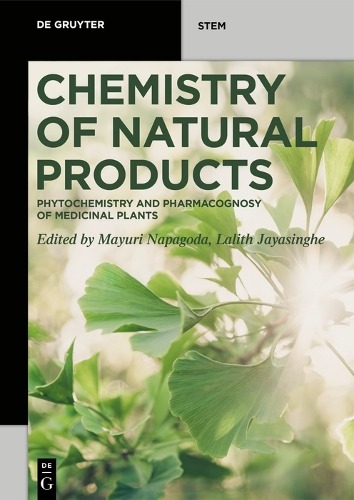
Chemistry of natural products : phytochemistry and pharmacognosy of medicinal plants
Plants produce secondary metabolites that humans harness for their own benefit. About half of drugs currently in clinical use are based on these chemicals found in nature. Chemistry of Natural Products covers secondary metabolites present in medicinal plants and their biosynthesis, biological activities, and isolation and separation techniques.
CADD and informatics in drug discovery
Updates knowledge on recent advances in computational and bioinformatics tools/techniques and their practical applications in modern drug design and discovery programme. Also it encompasses fundamental principles, advanced methodologies and applications of various CADD approaches including several cutting-edge areas / presenting recent developments covering ongoing trends in the field of computer-aided drug discovery. Having contributions by a global team of experts, the book is expected to be an ideal resource for drug discovery scientists, medicinal chemists, pharmacologists, toxicologists, phytochemists, biochemists, biologists, RandD personnel, researchers, students, teachers and those working in the field of drug discovery. It will fill the knowledge gaps that exist in the current CADD approaches and methodologies/ protocols being widely used in both academic and research practices. Further, a special focus on current status of various computational drug design approaches (SBDD, LBDD, De-novo drug design, Pharmacophore-based search), bioinformatics tools and databases, computational screening and modeling of phytochemicals/natural products, artificial intelligence and machine learning, and network pharmacology and system biology would certainly guide researchers, students or readers to conduct their research in the emerging area(s) of interest. It is also expected to be highly beneficial to different stakeholders working in the pharmaceutical and biotechnology industries (RandD), the academic as well as research sectors. .
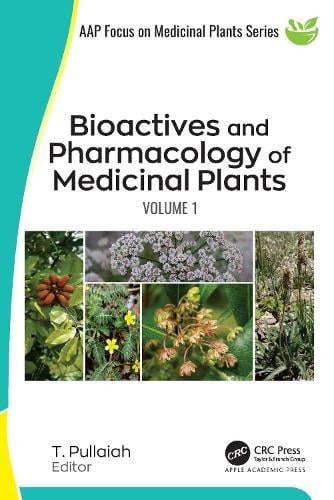
Bioactives and pharmacology of medicinal plants : Vol.1
Bioctives and Pharmacology of Medicinal Plants, concisely presents an abundance of important information on the bioactive and pharmacological properties of medicinal plants. It provides valuable comprehensive research and studies on bioactive phytocompounds of over 68 important medicinal plants with beneficial properties. For each species included in the volume, a brief introduction is given along with their bioactive compounds and chemical structures, followed by their chief pharmacological activities that include antiviral, antimicrobial, antioxidant, anti-cancer, anti-inflammatory, antidiabetic, hepatoprotective, nephroprotective, and cardioprotective activities. A review of the published literature on pharmacological activities on each species is included also, providing a thorough resource on each of the plants covered in the volume.

Arum palaestenium in cancer therapies
Cancer is a very complicated sequence of disease conditions progressing gradually with a generalized loss of growth control.1–3 There were only a few options of cancer treatment for patients for many decades which include surgery, radiation therapy, and chemotherapy as single treatments or in combination.4,5 But recently, many pathways involved in cancer therapy progression and how they can be targeted has improved dramatically, with combinatorial strategies, involving multiple targeted therapies or “traditional” chemotherapeutics, such as the taxanes and platinum compounds, being found to have a synergistic effect.6 New approaches, such as drugs, biological molecules, and immune-mediated therapies, are being used for treatment.
