



الصفحة 1
الصفحة 1
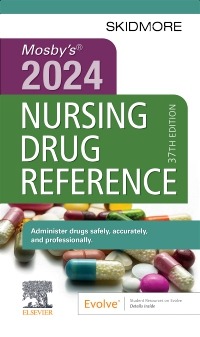
Mosby's 2024 nursing drug reference
Makes it easy to find the most vital information on the drugs you administer most frequently. More than 5,000 drugs are profiled — including more than 25 new entries for drugs recently approved by the FDA. And no other drug guide places a higher emphasis on patient safety, with Black Box Warnings for dangerous adverse reactions, High Alerts for drugs with the greatest risk, and a focus on both common and life-threatening side effects. From nursing pharmacology expert Linda Skidmore-Roth, this perennial bestseller proves there is a difference in drug guides.
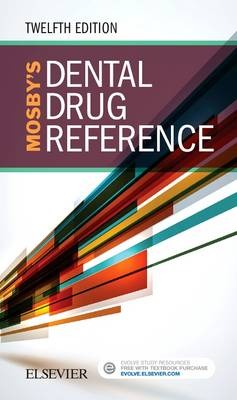
Mosby’s dental drug reference
Profiles the most commonly used drugs in dentistry, with emphasis on dental-specific considerations. More than 800 drug monographs make it easy to find information such as dosages, indications, contraindications, interactions, precautions, side effects, and serious reactions.

Modern medicines from plants : Botanical histories of some of modern medicine’s most important drugs
Features information on plants from which we obtain modern prescription medicines. It outlines their historical uses as herbal medicines in the past two millennia, using primary sources, and describes how extracts from them, and their semisynthetic and synthetic derivatives, were developed to be today’s therapeutic drugs and diagnostic chemicals. This book describes medicinal plants and their habitats, the diseases that their medicines treat, and the science of how they work.

Medical Pharmacology and Therapeutics
Provides all the information medical and healthcare students need throughout their degree programme and beyond, including for professional qualifications such as the PSA. This all-round textbook covers basic pharmacology through to drug prescribing in clinical contexts, covering the pathogenic mechanisms of disease; drug actions, side effects, and the therapeutic principles of drug use. It takes a helpful systems-based approach that orders information according to body systems and disease areas, rather than by drug class. Now in its sixth edition, the book has been fully updated to include latest scientific understanding of drug action and administration and current best practice in prescribing medications, informed by the latest national guidelines.

Goodman and Gilman's the pharmacological basis of therapeutics ; 14th ed.
A collaboration between two friends and professors at Yale, Louis Goodman and Alfred Gilman. Over the years, “G&G” has been acclaimed as the “blue bible” of pharmacology. Surely much of that acclaim reflects the book’s purpose, delineated by the original authors and steadily adhered to over 81 years: to correlate pharmacology with related medical sciences, to reinterpret the actions and uses of drugs in light of advances in medicine and the basic biomedical sciences, to emphasize the application of pharmacodynamics to therapeutics, and to create a book that would be useful to students of pharmacology and to healthcare practitioners.

Goodman & Gilman's the pharmacological basis of therapeutics ; 13th ed.
Correlates pharmacology with related medical sciences, to reinterpret the actions and uses of drugs in light of advances in medicine and the basic biomedical sciences, to emphasize the applications of pharmacodynamics to therapeutics, and to create a book that would be useful to students of pharmacology and to physicians.

DiPiro’s pharmacotherapy : A pathophysiologic approach
It is this in-depth knowledge of pharmacotherapy, combined with the clinical experience gained through postgraduate training in direct patient care practice, that allows the pharmacist to be the "medication therapy expert" on the healthcare team and to proactively address medication-related problems.It is provides knowledge necessary to prevent, identify, and manage disease and medication-related problems

Developing burn ointment using seasam oil, tea tree oil, and,shea butter
The objective of our research project is to develop a burn healing ointment (Meburn) and to compare it with a well-known ointment, MEBO®. The second formula shows very good accelerated stability test results, its histology test was very promising, its ability to accelerate blood vessel formation in heat burns is significant, and, the rats that have been treated with (Meburn and Mebo®) started to get back to their normal weight after 2 weeks in approximate results. Results obtained from our study using rats as an animal model, showed that our proposed ointment (Meburn) has burn healing efficacy similar to Mebo® ointment.

Continuous pharmaceutical processing and process analytical technology
Including aspects of modern process development is highlighted in this book with both the ‘why’ and the ‘how’, emphasizing process modeling and process analytical technologies. Presenting specific case studies and drawing upon extensive experience from industry and academic opinion leaders, this book focuses on the practical aspects of continuous manufacturing. It gives the readers the strategic perspective and technical depth needed to adopt and implement these technologies, where appropriate, in order to gain the competitive edge in speed, agility, and reliability.

Clinical pharmacy and therapeutics ; 5th ed.
Multi-disciplinary textbook continues to draw on the skills of pharmacists, clinicians and nurses to present optimal drug regimens. The authors integrate an understanding of the disease processes with an appreciation of the pathophysiological processes, clinical pharmacy and the evidence base. Each chapter is co-written by a pharmacist and a clinician, and each chapter begins with key points and ends with cases to test understanding.

Managing diabetic wounds : Strategies for effective treatment
Delves into diabetes itself, covering its definition, various types (Type 1, Type 2, and gestational diabetes), and diagnostic laboratory findings such as blood glucose levels and HbA1c. The concept of diabetic foot is thoroughly explored, including its definition, primary causes such as neuropathy, ischemia, and infection, and crucial aspects of prevention, caution, and risk factors like poor glycemic control and smoking.

Liposomes as Drug Carriers
Patients have recently suffered from the side effects of a large number of drugs and from the weak pharmacological effect, due to the biokinetics and the difficulty of delivering the drug to the targeted cells, which negatively affected the therapeutic efficacy, creating an opportunity to discover nanometric carriers to load the active drug substances, so we covered in this research the most famous and widely used nanocarriers which are liposomes. We touched in some detail its composition, types, the relationship of structure to influence, methods of preparation, its delivery mechanism for the drug, and at the end of the research, we attached various applications in the field of therapeutic diagnostics and its role in cosmetics, cancers and many other fields.
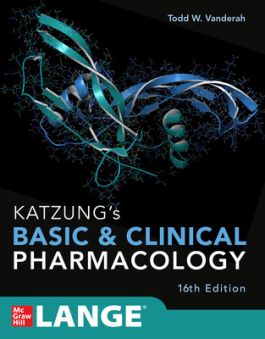
Katzung's basic and clinical pharmacology
The most comprehensive and authoritative pharmacology text --updated with new content and USMLE-style questions Presented in full-color and packed with hundreds of illustrations, Basic and Clinical Pharmacology is the wide-ranging, engaging guide students have counted on for decades. To be as clinically relevant as possible, the book includes sections that specifically address the clinical choice and use of drugs in patients and the monitoring of their effects, along with case studies that introduce clinical problems. Each chapter opens with a case study, covers drug groups and prototypes, and closes with summary tables and diagrams that encapsulate important information. Updated to reflect the latest research, this sixteenth edition features a new chapter on cannabinoids, USMLE-style questions, new drug tables, and more. Basic and Clinical Pharmacology, Sixteenth Edition features: * 330 full-color illustrations * NEW: 100 drug tables * NEW: 50 USMLE-style questions * NEW: Chapter on cannabinoids * A strong emphasis on drug groups and prototypes * Case studies and chapter-ending summary tables * Organization that reflects the syllabi of pharmacology courses * Descriptions of important new drugs

Clinical applications of mass spectrometry in drug analysis : Methods and protocols
This fully updated volume describes methods and protocols for a number of drugs and toxins in a stepwise manner. Exploring the versatility and flexibility of mass spectrometry, the book covers the advantages of this technology, which typically include elimination of the need for special reagents such as antibodies, increased sensitivity and specificity, and multi-component analysis enabling the screening of tens to hundreds of compounds in a single assay run. Written for the highly successful Methods in Molecular Biology series, chapters include introductions to their respective topics, lists of the necessary materials and reagents, step-by-step and readily reproducible laboratory protocols, as well as tips on troubleshooting and avoiding known pitfalls.

Claytons basic pharmacology for nurses
Helps you understand the principles of pharmacology and apply them to nursing practice. Known for its practical application of the nursing process to drugs and disorders, this book explains how to make informed decisions about drug therapy, educate patients, and administer medications. This edition adds new Next Generation NCLEX® (NGN)-style case studies and questions to prepare you for the critical thinking questions on the NGN exam. Concise and easy to use, this text teaches the basics of medication administration and drug actions.

Challenge In biologic drug delivery
Biologics are currently one of the most promising avenues for therapeutic interventions in conditions such as metabolic disease, ageing and inflammatory disorders, and for chronic ailments, oral delivery of such medicines has for years been recognised as an important goal. Despite decades of intensive research, oral delivery of biologics is only just starting to prove feasible. There has been much talk about the barriers to uptake of biologics, and indeed, one function of the intestine is to prevent, in one way or another, passage of unwanted materials across the gut, and yet, grams of biological agents both large and small pass across the intestinal cell wall every day. This review first describes the functioning of the gut under normal circumstances, then identifies the principle biological mechanisms, which have been harnessed successfully, to date, to achieve oral uptake, outlining the pros and cons of each approach.

Aulton's pharmaceutics : The design and manufacture of medicines
A comprehensive textbook covering the design of dosage forms and all aspects of drug delivery systems. Pharmaceutics in its broadest sense is the 'art of the apothecary' or, in simple terms, pharmaceutical preparations. It remains a diverse subject in the pharmacy curriculum, encompassing design of drugs, their manufacture and the elimination of micro-organisms from the products.

Artificial intelligence : The revolution of drug discovery
The successful application of AI is dependent on the availability of high-quality data, the addressing of ethical concerns, and the recognition of the limitations of AI-based approaches. Moreover artificial intelligence has been a game changer in the past decade. AI proved his worth by making the impossible possible in a short period of time. The health care industry has adopted artificial intelligence technology to deal with the ever-changing therapeutic and drug requirements of patients every day, as we encounter new viruses for which no antidote has been prepared, such as the Corona virus, diseases such as malaria, and the most important problem is the resistance to antibiotics by superbugs that are constantly developing new resistance mechanisms causing harm and confusion.
An introduction to bioanalysis of biopharmaceuticals
Provides a comprehensive review of the fundamental and practical aspects of bioanalytical support and the integral role it plays in the development of safe and efficacious biopharmaceutical drugs with speed and cost-effectiveness. Focuses on a broad range of conventional and emerging biopharmaceutical modalities including monoclonal antibody-based therapeutics, gene therapy, cell therapy, peptides and oligonucleotides.
