



الصفحة 1
الصفحة 1

Nanotechnology for Environmental Remediation
The newly discovered advanced oxidation technology using nanoscale zero-valent iron, which is reported in this book, could be widely used to treat pesticides, herbicides, and industrial chemicals as well as to purify contaminated water for domestic use. In addition, it can contribute to advancing science and technology and providing valuable information to all readers - researchers, scientists, engineers, and students - in this field for their further research and studies.

Molecular genetics, structures, mechanisms, and functions : Applications and exploring the nucleus ; Vol.2
Continues the coverage of generic engineering, dealing with the concept of genes, their relationship with chromosomes, and their functional manifestation to the benefit of organisms at large and for human in particular. Topics include Mendel’s Laws of Inheritance, which explains the inheritance of traits visible through generations; , genome diversity and evolution genetic protein synthesis, recombination and evolution of DNA, transposable elements in genetics, chromosomal aberrations, and more. The volume also addresses genetic engineering in agricultural science for increased crop yields, to reduce costs for food or drug production, to reduce the need for pesticides, to enhance crop quality, etc.
Introduction to toxicology
Charts the evolution of the field of toxicology, from the use of natural toxins by ancient tribes through the developments established by Paracelsus, and progresses through to the current topics in the public interest. For centuries, the study of toxicology has fascinated students. The book begins with basic toxicological principles, including an historical summary, dose-response relationships (NEW chapter), exposure-response relationships (NEW chapter), disposition, and metabolism of xenobiotic toxic substances. Other important new chapters include target organ toxicity, toxicity of carcinogenic agents and new and updated concepts in toxicity testing, and antidotes and treatment of poisonings. In all, nine new or expanded chapters from the third edition are advanced. Current concerns about the effects of therapeutic drugs, carcinogens, industrial toxins, pesticides, and herbicides on human health, animal welfare, and the stability and maintenance of the ecosystem continue to highlight toxicology as an important and growing scientific discipline.
Impact of Pollution on Animal Products
The present workshop contributed highly to the exchange between scientists giving the opportunity for researchers from Central Asia to access to new scientific approaches and methodologies, and for European scientists to assess the extent of the environmental problems in this part of the world. No doubt that these exchanges were the main success of the workshop marked by very stimulating discussions. Such meeting was also the opportunity to put on the first stone of a scientific network focused on the subject of the workshop. The importance of pollution in Central Asia in general and in Kazakhstan in p- ticular is a well-known feature and several references are available on the source and localization of pollution problems in those countries. The references are also abundant on the impact of the environmental failures on human health.
General Concepts in Integrated Pest and Disease Management
The first volume of the Integrated Management of Plant Pests and Diseases book series presents general concepts on integrated pest and disease management, organized in three sections. Section one (modeling, management, environment) includes chapters on infection models, resurgence and replacement. The second section (emerging technologies) includes remote sensing and information technology. In the third section (molecular aspects) the management of insect-borne viruses with transmission interference.

Fundamentals of analytical toxicology : Clinical and forensic ; 2nd ed.
An integrated introduction to the analysis of drugs, poisons, and other foreign compounds in biological and related specimens. Assuming only basic knowledge of analytical chemistry, this invaluable guide helps trainee analytical toxicologists understand the principles and practical skills involved in detecting, identifying, and measuring a broad range of compounds in various biological samples. Clear, easy-to-read chapters provide detailed information on topics including sample collection and preparation, spectrophotometric and luminescence techniques, liquid and gas-liquid chromatography, and mass spectrometry including hyphenated techniques. Focuses on analytical, statistical, and pharmacokinetic principles / Describes basic methodology, including colour tests and immunoassay and enzyme-based assays / Outlines laboratory operations, such as method validation, quality assessment, staff training, and laboratory accreditation / Follows IUPAC nomenclature for chemical names and recommended International Non-proprietary Name (rINN) for drugs and pesticides / Includes discussion of 'designer drugs' (novel pharmaceutical substances NPS)

Food nanotechnology
Nanotechnology is increasingly being utilized within the food industry to create innovative products with new or improved properties. This book introduces the history of nanotechnology applications in the food industry. It then discusses the key physicochemical and structural characteristics of the different kinds of nanoparticles found in foods, as well as showing how these characteristics lead to their unique functional attributes. Applications of nanotechnology in the food and agricultural industries are then covered, including the creation of nanopesticides, nanofertilizers, nutrient delivery systems, functional ingredients, smart packaging materials, nanofilters, and sensors, as well as for the conversion of waste materials into value-added products. Finally, the potential toxicity of both organic and inorganic nanoparticles found in foods is critically assessed. The author is a Distinguished Professor of food science who uses physics, chemistry, and biology to improve the quality, safety, and healthiness of foods. He has published over a thousand scientific articles and numerous books in this area and is currently the most highly cited food scientist in the world. He has won numerous awards for his scientific achievements.

Extracting Methods of Essential laurel oil and Fixed oil, Their effects on bacteria
Laurus nobilis is an evergreen plant belonging to the Lauraceae family, native to Southern Europe and the Mediterranean area. This is the report on the composition and bioactivity of laurel essential oil (EO) from leaves and extraction essential oil by two solvents (water and ethanol 69%) using by two devices (Clevenger and evaporator) then we apply the effect of oil and extract on the bacteria. there are some differences between the extraction by water and ethanol . The antibacterial properties of laurel EOs were examined according to the agar well diffusion method The leaf EO showed antibacterial activities against almost all strains of the microorganisms tested, whereas the twig EO was only able to inhibit Staphylococcus aurous and Escherichia coli were the bacterial strains that showed the highest resistance to the laurel EO. The results can benefit the EO industry and bio pesticide development.

Eutrophication Management and Ecotoxicology
This book aims to bridge the gap between ecotoxicology and limnology. The intended readers of the book are water managers, policy makers with a scientific background as well as researchers/advisors in the area of water management. The book provides an ecotoxicological perspective on lake management and describes eutrophication of shallow, temperate lakes. It surveys the influence of toxic substances (e.g., agricultural pesticides) on the aquatic ecosystem, especially the relation between algae and daphnids. The message of the book is that nutrients such as phosphorus are not the only important factor in explaining and managing eutrophication: toxic disturbance of to-down control is also an important factor to be considered. The results of extensive studies and experiments (some unpublished) on lake eutrophication are presented in this book.

Environmental Chemistry : Green Chemistry and Pollutants in Ecosystems
Environmental chemistry is a new, fast developing science aimed at deciphering fundamental mechanisms ruling the behaviour of pollutants in ecosystems. Applying this knowledge to current environmental issues leads to the remediation of environmental media, and to new, low energy, low emission, sustainable processes. This book describes the state-of-the-art advances regarding the pollution of water, soils, atmosphere, food and living organisms by toxic metals, fossil fuels, pesticides and other organic pollutants. Furthermore, the eco-toxicology section presents novel bio-assays to assess the toxicity of various pollutants such as dioxins and endocrine disrupters within complex media. The green chemistry section highlights novel chemical reactions based upon environmentally friendly conditions. The analytical chemistry section describes very sensitive methods which trace the fate of pollutants in complex ecosystems.

Environmental Bioremediation Technologies
Environmental contamination from both natural and anthropogenic sources is, today, a major environmental concern due to pervasiveness and persistence of many toxicants. It is considered as an inevitable evil of our progress and modernization. To decontaminate the soils, sediments and waters, polluted by anthropogenic activities, the scientists and technologists have evolved different technologies over the years. Although we have to pay high cost for physical and chemical environmental technologies, but they are not eco-friendly and safe. Hence, it was deeply realized to develop viable technologies employing microbes and plants to remediate not only metallic residues and radionuclides, but also the xenobiotic compounds like PCBs, PAHs, PCPs, petroleum sludge and the military wastes. No doubt, the scientists have also got some success in this endeavour and as the result, many companies are in place today to promote the sale of plant or microbe-based technologies to deal with specific environmental contamination challenges. Besides, these technologies are se- driven and do not disturb the sites in cleaning process.

Emerging Organic Pollutants in Waste Waters and Sludge
Over the past fifteen years regulatory agencies have relied on their approaches to characterise and control the release of toxic substances into the aquatic environment: a GC/MS analysis for U.S. EPA designated 126 priority pollutants and 132 dangerous substances according to the European 76/464/CEE Directive and on the bioassays with aquatic bioorganisms. "Emerging Contaminants" correspond in most cases to irregulated contaminants, e.g. surfactants, pharmaceuticals and personal care products (PPCP), or gasoline additives. These two volumes, 5/I and 5/O, of this Handbook deal with the analytical, toxicological and environmental issues of these toxicants. Based on results of up-to-date research they give the reader a balanced view on this rapidly developing and complex subject.
Emerging Contaminants from Industrial and Municipal Waste : Removal Technologies
This book focuses on innovative treatment technologies for the elimination of emerging contaminants from wastewater and drinking water. The respective treatment processes, such as membrane bioreactors, photocatalysis, ozonation and advanced oxidation are dealt with in detail. The book also discusses sources and occurrence of emerging contaminants in municipal and industrial waste, giving a concise and critical overview of state-of-the-art analytical methods for their identification. Further important aspects covered by the book include the acute and chronic effects and overall impact of emerging contaminants on the environment.

Emerging Contaminants from Industrial and Municipal Waste : Occurrence, Analysis and Effects
This book focuses on innovative treatment technologies for the elimination of emerging contaminants from wastewater and drinking water. The respective treatment processes, such as membrane bioreactors, photocatalysis, ozonation and advanced oxidation are dealt with in detail. The book also discusses sources and occurrence of emerging contaminants in municipal and industrial waste, giving a concise and critical overview of state-of-the-art analytical methods for their identification. Further important aspects covered by the book include the acute and chronic effects and overall impact of emerging contaminants on the environment.

Ecotoxicology, Ecological Risk Assessment and Multiple Stressors
The science of ecotoxicology and the practice of ecological risk assessment are evolving rapidly. Ecotoxicology as a subject area came into prominence in the 1960s after the publication of Rachel Carson's book on the impact of pesticides on the environment. The rise of public and scientific concern for the effects of chemical pollutants on the environment in the 1960s and 1970s led to the development of the discipline of ecotoxicology, a science that takes into account the effects of chemicals in the context of ecology. Until the early 1980s, in spite of public concern and interest among scientists, the assessment of ecological risks associated with natural or synthetic pollutants was not considered a priority issue by most government. However, as the years passed, a better understanding of the importance of ecotoxicology emerged and with it, in some countries, the progressive formalization of an ecological risk assessment process.

Drugs and Poisons in Humans : A Handbook of Practical Analysis
At the beginning of the book, general topics are addressed, including instructions on h- dling biological materials, measurement of drugs in alternative specimens, and guidance on resolving analytical problems that may occur. T ere are discussions of extraction modalities and detection methodologies and how to select these appropriately based on the physioche- cal characteristics of the drug. Analysis of specif c classes of drugs and relevant metabolites are covered in subsequent chapters.

Dangerous Pollutants (Xenobiotics) in Urban Water Cycle
The book focused on evaluation of impact of xenobiotics in the whole Urban Water Cycle are an interdisciplinary task which has a rising concern these days. Xenobiotics includes both inorganic elements like heavy metals, metalloids and man-made organic compounds such as pesticides, surfactants, solvents, fragrances, flavours, and pharmaceuticals as well as endocrine dis- pters.
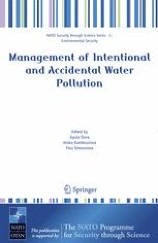
Management of Intentional and Accidental Water Pollution
The goals of the workshop included a discussion of the state of the science in identification of new research and approaches for water pollution events and communication of the management of water pollution and sustainability of water resources. Critical to management of accidental and intentional pollution events is the assessment of the risk, an understanding of the hazards and lessons learned from events which may lead to preventative management and control strategies. Public health protection will ultimately be improved by the ability to develop management frameworks which are flexible and adaptable to the specific region, country or watershed problems and concerns and allow for prioritization in the decision making. The integration of scientific information regarding the types of hazards the environmental fate of the chemical/biological, exposure pathways and human and ecosystem impacts may be implemented from both a qualitative or descriptive approach or using a more classical quantitative risk assessment paradigm. Thus the frameworks for assessing the risk and managing the risk may be seen as preventive, early warning and responsive.
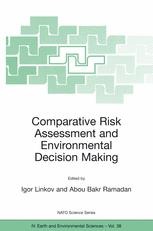
Comparative risk assessment and environmental decision making
Decision making in environmental projects is typically a complex and confusing process characterized by trade-offs between socio-political, environmental, and economic impacts. Comparative Risk Assessment (CRA) is a methodology applied to facilitate decision making when various activities compete for limited resources. CRA has become an increasingly accepted research tool and has helped to characterize environmental profiles and priorities on the regional and national level. CRA may be considered as part of the more general but as yet quite academic field of multi-criteria decision analysis (MCDA). Considerable research in the area of MCDA has made available methods for applying scientific decision theoretical approaches to multi-criteria problems, but its applications, especially in environmental areas, are still limited. The papers show that the use of comparative risk assessment can provide the scientific basis for environmentally sound and cost-efficient policies, strategies, and solutions to our environmental challenges.
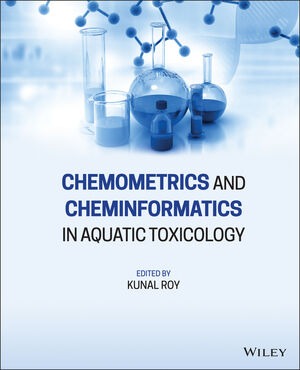
Chemometrics and Cheminformatics in Aquatic Toxicology
Chemometrics and Cheminformatics in Aquatic Toxicology delivers an exploration of the existing and emerging problems of contamination of the aquatic environment through various metal and organic pollutants, including industrial chemicals, pharmaceuticals, cosmetics, biocides, nanomaterials, pesticides, surfactants, dyes, and more. The book discusses different chemometric and cheminformatic tools for non-experts and their application to the analysis and modeling of toxicity data of chemicals to various aquatic organisms.
