



الصفحة 1
الصفحة 1
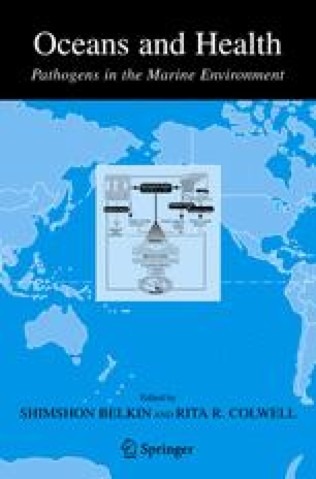
Oceans and Health: Pathogens in the Marine Environment
The importance of combating infectious diseases has received international attention, p- viding the opportunity for a multidisciplinary approach that combines medicine with other scientist candtechnological capabilities,notably information technology,nanotechnology,and biotechnology. In fact, it has been predicted that the future will bring a merging of these te- nologies with the cognitive and behavioral sciences.. The connection between infectious diseases and the oceans provides a paradigm for this perspective. A stark global context indisputably frames all human health issues in the twenty century: the world wide movement of people and goods. Throughout the past half century, international travel has skyrocketed; there are more than 500 million international arrivals per year. The greatest increase has taken place since the mid-1990s. The world has become integrated and global; consequently, the notion that it is possible to successfully eradicate a disease from the face of the planet has become simplistic. Infectious disease is a moving target and climate shifts will affect any disease that has an environmentally sensitive stage or vector.

Novel Biotechnologies for Biocontrol Agent Enhancement and Management
This multidisciplinary group, having backgrounds in the diff- ent aspects of biotechnologies (transgenic enhancement, molecular biology, formulation, genetics, risk assessment, new technology, biochemistry, and physiology), presented highly advanced lectures during the 10-day-ASI, in order to allow students to improve their capability to enhance and manage - ological control agents. This approach will allow ASI attendees to bring new ideas, new approaches, or new methodologies coming from different ?elds of application to their own ?eld of expertise.
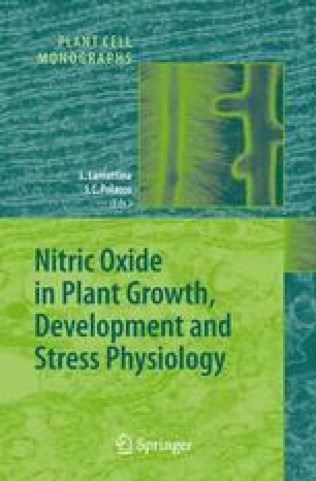
Nitric Oxide in Plant Growth, Development and Stress Physiology
The first part of the book is devoted to the description of key features related to NO biochemistry, synthesis and metabolism and the modes of action involved. The second part covers the functionality of NO in three central nodes of the plant life cycle: growth, development and stress physiology.

Newman and Carranza's Clinical Periodontology and Implantology
Provides detailed, up-to-date information on the etiology and pathogenesis of periodontal disease. Basic and advanced evidence-based information on the various treatment modalities employed in periodontics and implantology is presented in an easy-to-read format, with callout boxes throughout the text highlighting the clinical relevance of foundational basic science information. Full-color photos and radiographic images depict periodontal conditions and procedures, and the Atlas of Periodontal Pathology is one of the most comprehensive ever compiled in a periodontal textbook. Written by a team of leading experts led by Michael G. Newman, this text not only demonstrates how to perform periodontal procedures but explains the evidence supporting each treatment and provides knowledge on how to achieve the best possible outcomes of periodontal therapy and implant treatment. An eBook version is included with print purchase, providing access to all the text, figures, and references, plus the ability to search, customize content, make notes and highlights, and have content read aloud.
New Insights in Medical Mycology
The aim of this book is to give an in-depth assessment of our current understanding of the Biology of the main fungal pathogens and how they interact with the host’s immune response. Each Chapter focuses on a specific fungal pathogen or group of pathogens and examines their biology and the factors that allow the fungus colonise and disseminate within the host. In addition each Chapter gives an indication of the challenges that remain to be tackled over the next 5 – 10 years in increasing our understanding of fungal pathogenicity.

New Drug Development for Known and Emerging Viruses
This book discusses the entire field of antiviral drug discovery and development from a medicinal chemistry perspective, focusing on antiviral drugs, targets, and viral disease mechanisms. It provides an outlook on emerging pathogens such as Ebola, Zika, West Nile, Lassa, and includes a chapter on SARS Coronoavirus-2 causing the present pandemic.

New and Evolving Infections of the 21st Century
This new volume of the Emerging Infectious Diseases of the 21st Century Series, has complied a collection of chapters by leading authorities of the world on emerging & evolving infections that is a must read for anyone interested in this topic. The chapters by reknown experts have provided a wealth of up-date information, such as clinical spectrum of disease, epidemiology, pathogenesis, diagnosis, management, prevention and future research.

New and emerging plant viruses : the threat to food security
Despite intensive efforts to manage and prevent plant viruses and their potential vectors in crop production processes, many crops are damaged each year. This new book reviews the progress made to date and the challenges ahead in the field of plant viruses and agricultural production. It sheds light on previously undiscovered plant viruses, bringing together information on the detection and tracking, host interaction, evolution, and management. The first section covers the various hidden sources of plant viruses such as from wild plants, weeds, and tobacco as well as other undetermined plant virus sources. The second section covers the implications of mixed infection on disease pathogenicity and epidemiology, provides an understanding of the virus and host relationship, and presents an overview of plant viruses from old to new.

Neurocutaneous disorders : A clinical, ciagnostic and therapeutic approach
Provides extensive data on the more common and many of the more rare congenital and hereditary syndromes that manifest in the nervous system and skin. Though often complex and multi-systemic, these disorders can frequently be diagnosed using a combination of simple visual inspection and sound clinical expertise. Drawing on fully referenced information from thousands of articles, the international editorial team has prepared a comprehensive overview that includes historical perspectives, clinical features, the pathogenesis, and diagnostic and therapeutic strategies. In addition, it addresses the biochemical, molecular, and genetic basis of the disorders.

NEURO-COVID-19 : Neuroinvasive potential and neurological complications of SARS-CoV-2
From the earliest days of the COVID-19 pandemic, there have been reports of significant neurological and psychological symptoms following SARS-CoV-2 infection. This research paper is designed to examine the potential psychoneuroendocrine pathogenic mechanisms by which SARS-CoV-2 elicits psychiatric sequelae, as well as to posit potential pharmacologic strategies to address and reverse these pathologies. Following a brief overview of the presence and prevalence of neuropsychiatric manifestation in COVID-19 patients, we address mechanisms by which SARS-CoV-2 could enter or otherwise elicit changes in the CNS.

Neurochemical Aspects of Excitotoxicity
Leading researchers offer cutting-edge information on glutamate metabolism in the brain, examining the role of glutamate transporters and the involvement of glutamate receptors in the pathogenesis of acute neural trauma and neurodegenerative diseases.

Neuroblastoma
Neuroblastoma is a medical enigma. As a childhood neoplasm arising from neural crest cells, it is characterized by diverse clinical behaviors ranging from spontaneous remission to rapid tumor progression and death. Although clinical outcome can be predicted to a large extent by the stage of disease and the age at diagnosis, an in-depth understanding of its clinico-pathological behavior, now greatly aided by sophisticated molecular genetic profiling, will improve diagnostic precision and refine risk-based therapies. Comprehensive international efforts have advanced our understanding of tumor biology and improved the clinical management of children with neuroblastoma. This book reviews our current understanding of the genes and biological pathways that contribute to neuroblastoma pathogenesis, modern risk-based treatment approaches for these patients, and recent advances in biologically based therapy. It provides a concise up-to-date reference for practitioners, students, and researchers.
NASH and Nutritional Therapy
This collection of research and clinical findings on nonalcoholic steatchepatitis (NASH) and nutritional therapy contains significant new findings in several fields . As NASH frequently causes liver cirrhosis, the nutritional aspects of its treatment are discussed . Other areas covered include nonalcoholic fatty liver, the role of leptin in the pathogenesis of NASH, restricted diets and exercise therapy, mammalian targets of the peptide rapamycin, and genetic factors influencing the development of NASH.

Nanotechnology in Intelligent Food Packaging
This book is a state-of-the-art exposition of nanotechnology and food packaging which is undergoing rapid advancement. This book is specially designed with an emphasis on the state-of-the-art in nanotechnology and food packaging. It offers fascinating techniques for producing smart and active food packaging and also discusses its toxicity and the role that nanosensors play in detecting different pathogens in food packaging. The concluding chapters also explain recent developments concerning the incorporation of health supplements in food packaging and their future role in producing intelligent food packaging.

Nanotechnology for Smart Concrete
Nanomaterials can markedly improve the mechanical properties of concrete, as well as reduce the porosity and enhance the durability of concrete. The application of nanotechnology in concrete is still in its infancy. However, an ever-growing demand for ultra-high-performance concrete and recurring environmental pollution caused by ordinary Portland cement has encouraged engineers to exploit nanotechnology in the construction industry. Nanotechnology for Smart Concrete discusses the advantages and applications of nanomaterials in the concrete industry, including high-strength performance, microstructural improvement, self-healing, energy storage, and coatings. The book: Analyses the linkage of concrete materials with nanomaterials and nanostructures / Discusses the applications of nanomaterials in the concrete industry, including energy storage in green buildings, anti-corrosive coatings, and inhibiting pathogens and viruses / Covers self-healing concrete / Explores safety considerations, sustainability, and environmental impact of nanoconcrete / Includes an appendix of solved questions

Mycorrhizae : Sustainable Agriculture and Forestry
This book discusses and goes into detail on a number of topics: the molecular basis of nutrient exchange between arbuscular mycorrhizal (AM) fungi and host plants; the role of AM fungi in disease protection, alleviation of soil stresses and increasing grain production; interactions of AM fungi and beneficial saprophytic mycoflora in terms of plant growth promotion; the role of AM fungi in the restoration of native ecosystems; indirect contributions of AM fungi and soil aggregation to plant growth and mycorrhizosphere effect of multitrophic interaction; the mechanisms by which mycorrhizas change a disturbed ecosystem into productive land; the importance of reinstallation of mycorrhizal systems in the rhizosphere is emphasized and their impact on landscape regeneration, and in bioremediation of contaminated soils; Ectomycorrhizae (ECM) and their importance in forest ecosystems and associations of ECM in tropical rain forests function to maintain tropical monodominance; in vitro mycorrhization of micro-propagated plants, and visualizing and quantifying endorhizal fungi; the use of mycorrhizae, mainly AM and ECM, for sustainable agriculture and forestry.
Multigenic and Induced Systemic Resistance in Plants
This comprehensive volume consists of a series of up-to-date reviews, each incorporating current models and knowledge related to mechanisms of resistance either expressed constitutively or induced systemically in plants. Each chapter covers a topic related to the phenomenon of plant resistance to fungal and bacterial pathogens, insects, nematodes, viruses or abiotic stress in plants, as well as the application of this knowledge to protect crops now and in the future. Researchers, upper-level undergraduate and graduate students, and those teaching courses in plant physiology, entomology and plant pathology will find this volume a much needed asset.

Mucosal Immune Defense : Immunoglobulin A
This book, authored by international experts in the field of IgA immunology, presents a comprehensive and timely overview of current knowledge of IgA structure and function. Topics include the basic science of IgA biochemistry and molecular biology, general and tissue-specific aspects of IgA function, and the clinical relevance of IgA in infection, autoimmunity, immunodeficiency and cancer.
Molecular Sensors for Cardiovascular Homeostasis
This book reveals state-of-the-science of several newly discovered ion channel families and their role in the pathogenesis of cardiovascular diseases.It offers comprehensive and up-to-date information for a deeper understanding of the relationship between macro- and micro-environments, ion channels, and pathophysiological responses, and for developing novel therapies for treating devastating cardiovascular illnesses.

Molecular Paradigms of Infectious Disease : A Bacterial Perspective
This comprehensive volume, written by leading authors in the field, provides a fundamental understanding of the complex cellular and molecular processes that are important for bacterial virulence and the infectious disease process. Written in a clear and engaging manner, the book highlights key techniques and methodologies that have driven recent discoveries in bacterial pathogenesis, major structures and mechanisms in bacteria that are important for the pathogenesis of these organisms, the regulation of these virulence determinants by global regulators, and bacterial biowarfare agents. Molecular Paradigms of Infectious Disease: A Bacterial Perspective is an ideal book for students, microbiologists, immunologists and scientists and researchers of bacterial pathogenesis.
