



الصفحة 1
الصفحة 1

Nanomaterials and Nanochemistry
Nanomaterials are a fast developing field of research and applications lie in many separate domains, such as in hi-tech (optics, electronics, biology, aeronautics), but also in consumer industries (automotive, concrete, surface treatments (including paints), cosmetics, etc.).

Construction materials, methods, and techniques : Building for a sustainable future
Covers both traditional and contemporary materials, current industry standards and new and emerging technologies. The only text organized according to the Construction Specifications Institute (CSI) MasterFormat (R) standards, construction materials, methods and techniques: building for a sustainable future, fifth edition, features a reader-friendly style and logical structure, which follows the construction process step-by-step from project inception to completion. The new edition provides up-to-date coverage of dramatic changes underway in the construction industry, including advances in pre-fabricated construction; increased use of drones, robotics and artificial intelligence; net-zero buildings and lean construction. You'll learn about key current industry developments and standards, as well as latest relevant building codes, all presented within a dynamic, richly illustrated new design.
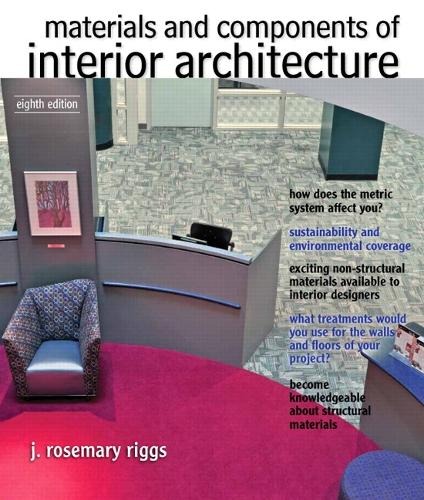
Materials and Components of Interior Architecture
Offers a unique look at interior design,fully covering the exciting breadth of nonstructural materials available to interior designers. With an eye on the environment, it instills a firm understanding of the products, properties, and uses of all materials—from floors, walls, and ceilings to installation and recycling. Going beyond paint and carpet, it explores over 27 different floorings and devotes separate chapters to kitchens and baths. Filled with the latest information from manufacturers, suppliers, and associations, it provides students with the knowledge to creatively engage the “nuts and bolts” of interior design—both in terms of structure and style.
Big Data and Global Trade Law
Explores the relevance of global trade law for data, big data and cross-border data flows. Contributing authors from different disciplines including law, economics and political science analyze developments at the World Trade Organization and in preferential trade venues by asking what future-oriented models for data governance are available and viable in the area of trade law and policy. The collection paints the broad picture of the interaction between digital technologies and trade regulation as well as provides in-depth analyses of critical to the data-driven economy issues, such as privacy and AI, and different countries' perspectives.
