



الصفحة 1
الصفحة 1
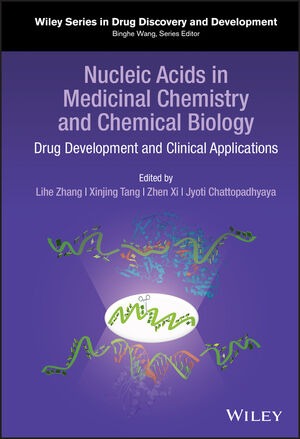
Nuucleic acids in medicinal chemistry and chemical biology : Drug development and clinical applications
Delivers a comprehensive overview of the chemistry and biology of nucleic acids and their therapeutic applications. The book emphasizes the latest research in the field, including new technologies like CRISPR that create novel possibilities to edit mutated genes at the genomic DNA level and to treat inherited diseases and cancers. The authors explore the application of modified nucleosides and nucleotides in medicinal chemistry, a variety of current topics on nucleic acid chemistry and biology, nucleic acid drugs used to treat disease, and more. They also probe new domains of pharmaceutical research, offering the reader a wealth of new drug discovery opportunities emerging in this dynamic field
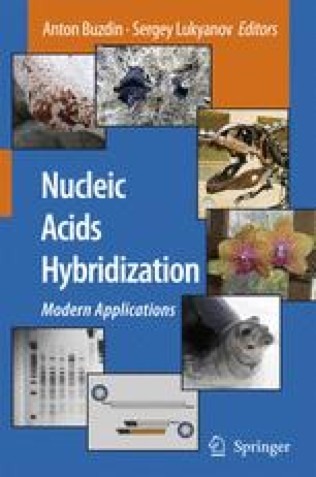
Nucleic Acids Hybridization : Modern Applications
Several approaches, such as microarray hybridization, have become extremely popular tools for specialists in biochemistry and biomedicine, while the potential of many other advantageous techniques seems to be underestimated. Written by an international team of authors, this book details the current state-of-art in hybridization techniques. Coverage includes experimental protocols along with comprehensive and detailed method descriptions.

Nucleic Acids and Proteins in Soil
With millions of different bacterial species living in soil, the microbial community is extremely complex, varying at very small scales. Microbe-driven functions are essential for most processes in soil. Thus, a better understanding of this microbial diversity will be invaluable for the management of the various soil functions. Nucleic Acids and Proteins in Soil combines traditional approaches in soil microbiology and biochemistry with the latest techniques in molecular microbial ecology. Included are methods to analyse the presence and importance of nucleic acids and proteins both inside and outside microbial cells, the horizontal gene transfer which drives bacterial diversity, as well as soil proteomes. Further chapters describe techniques such as PCR, fingerprinting, the challenging use of gene arrays for structural and functional analysis, stable isotope probing to identify in situ metabolic functions, and the use of marker and reporter genes in soil microbial ecology.

NMR in Biological Systems : From Molecules to Human
During teaching NMR to students and researchers, we felt the need for a text-book which can cover modern trends in the application of NMR to biological systems. This book caters to the needs of: (i) graduate students who mostly learn such techniques from senior post-docs in the laboratory; (ii) those who are not experts in NMR but wish to understand if a particular problem in animal, plant, medical and pharmaceutical sciences can be answered by NMR; and (iii) those who are experts in chemistry and biochemistry and wish to know how NMR can provide them information on structural or functional aspect of proteins, nucleic acids, cells and tissues, human and plant organs and other biological materials.
Molecular analyses : Medical genomics and proteomics
Methods for extraction, manipulation, and characterization of nucleic acids, peptides, and proteins have been rapidly developed. Extraction from a variety of tissues and samples have become routine and automated. Next generation sequencing (NGS) methods have been developed. This book focuses on medically-focused methods

Modern avenues in metal-nucleic acid chemistry
Provides a timely overview of selected relevant developments in a field which previously had a pronounced focus on fundamental chemistry aspects such as coordination principles, structural chemistry, and consequences for biological processes and disease-related medicinal issues. More recently, also as a consequence of the advent of supramolecular chemistry, advancements in nanochemistry, and new bio-analytical methods, novel aspects of this field have emerged. MILS-25 gives a state-of-the-art account on the present state of research in this field, addressing, among others, porous materials, non-covalent interactions, stimuli-responsive bioconjugates, DNA-templated metal arrays and nanoclusters, genotyping, guanine quadruplexes, and riboswitches.

Immobilisation of DNA on Chips II
DNA chips are gaining increasing importance in different fields ranging from medicine to analytical chemistry with applications in the latter in food safety and food quality issues as well as in environmental protection. In the medical field, DNA chips are frequently used in arrays for gene expression studies to identify diseased cells due to over- or under-expression of certain genes, to follow the response of drug treatments, or to grade cancers), for genotyping of individuals, for the detection of single nucleotide polymorphisms, point mutations, and short tandem reports, or moreover for genome and transcriptome analyses in the quasi post-genomic sequencing era. Furthermore, due to some unique properties of DNA molecules, self-assembled layers of DNA are promising candidates in the field of molecular electronics.the main focus of these two volumes is on the immobilization chemistry, considering the various aspects of the immobilization process itself, since different types of nucleic acids, support materials, surface activation chemistries and patterning tools are of key concern.

Immobilisation of DNA on Chips I
the main focus of these two volumes is on the immobilization chemistry, considering the various aspects of the immobilization process itself, since different types of nucleic acids, support materials, surface activation chemistries and patterning tools are of key concern.the focus of the major part of the chapters lies on the coupling chemistry used for DNA immobilization. Successful immobilization techniques for DNA appear to either involve a multi-site attachment of DNA (preferentially by electrochemical and/or physical adsorption) or a single-point attachment of DNA (mainly by surface activation and covalent immobilization or (strept)avidin-biotin linkage).
Forces, Growth and Form in Soft Condensed Matter : At the Interface between Physics and Biology
This volume comprises the proceedings of a NATO Advanced Study Institute held at Geilo, Norway, 24 March - 3 April 2003, the seventeenth ASI in a series held every two years since 1971. The objective of this ASI was to identify and discuss areas where synergism between modern physics, soft condensed matter and biology might be most fruitful. The main pedagogical approach was to have lecturers focussing on basic understanding of important aspects of the relative role of the various interaction- electrostatic, hydrophobic, steric, conformational, van der Waals etc. Soft condensed matter and the connection between physics and biology have been the themes of several earlier Geilo Schools. A return to these subjects thus allowed a fresh look and a possibility for defining new directions for research. Examples of soft materials, which were discussed at this ASI, included colloidal dispersions, gels, biopolymers and charged polymer solutions, polyelectrolytes, protein/membrane complexes, nucleic acids and their complexes. Indeed, most forms of condensed matter are soft and these substances are composed of aggregates and macromolecules, with interactions that are too weak and complex to form crystals spontaneously. A characteristic feature is that small external forces, slight perturbations in temperature, pressure or concentration, can all be enough to induce significant structural changes. Thermal fluctuations are almost by definition strong in soft materials and entropy is a predominant determinant of structure, so that disorder, slow dynamics and plastic deformation are the rule. Hence the phrase ‘soft condensed matter’ has been coined.

Enzymatic and Chemical Synthesis of Nucleic Acid Derivatives
The book covers enzymatic (including chemo-enzymatic) methods, with a focus on the synthesis and incorporation of modified nucleosides. The authors also offer a review of innovative approaches for the non-enzymatic chemical synthesis of nucleic acids and their analogs and derivatives, highlighting especially challenging species. The book offers a concise review of the methods that prepare novel and heavily modified polynucleotides in sufficient amount and purity for most clinical and research applications.
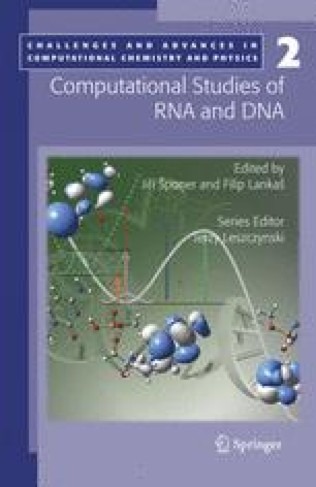
Computational studies of RNA and DNA
Computational Studies of RNA and DNA includes, in an integrated way, modern computational studies of nucleic acids, ranging from advanced electronic structure quantum chemical calculations through explicit solvent molecular dynamics (MD) simulations up to mesoscopic modelling, with the main focus given to the MD field. It gives an equal emphasis to the leading methods and applications while successes as well as pitfalls of the computational techniques are discussed.The systems and problems studied include: Accurate calculations of base pairing energies / Electronic properties of nucleic acids and electron transfer, through various types of nucleic acid / Calculating DNA elasticity

Comprehensive biochemistry for dentistry : Textbook for dental students
Combines fundamental concepts of biochemistry and the dental sciences to provide an authentic, coherent and comprehensive text for dental students. It describes in simple language the intricate pathophysiology of biomolecules in health and in diseases of dental and oral tissues. This book also describes the evolution of biochemistry in a chronological order, provides information about the fundamental chemical structure, classification and biological significance of biomolecules, vitamins and hormones, enriched with flow charts and diagrams for easy understanding and quick reference. It includes chapters on nucleic acids, nutrition and serum enzymes and organ function tests, and offers an innovative approach to familiarize dental students with the biochemical composition of enamel, dentine, cementum and saliva, explaining the biochemical basis of dental caries, periodontal diseases, role of fluorides in caries prophylaxis, fluoride toxicity, and the role of amino acids as anti-hypersensitive agents

Chemistry for pharmacy students : General, organic and natural product chemistry ; 2nd ed.
Opens with an overview of the general aspects of chemistry and their importance to modern life, with emphasis on medicinal applications. The text then moves on to discuss the concepts of atomic structure and bonding and the fundamentals of stereochemistry and their significance to pharmacy in relation to drug action and toxicity. Various aspects of organic functional groups, organic reactions, heterocyclic chemistry, nucleic acids and their pharmaceutical importance are then covered in subsequent chapters, with the final chapter dealing with drug discovery and development, and natural product chemistry. Provides a student-friendly introduction to the main areas of chemistry required by pharmacy degree courses. Written at a level suitable for non-chemistry students in pharmacy, but also relevant to those in life sciences, food science, and the health sciences Includes learning objectives at the beginning of each chapter Focuses on the physical properties and actions of drug molecules
Biomacromolecules : Carbohydrates, lipids, proteins and nucleic acids
The first chapter looks at the structural formulas and cyclic forms of monosaccharides, as well as their synthesis and breakdown. Cyclization, enolization, isomerization, tautomerization, mutarotation, and epimerization are all briefly described. Examples of disaccharides and polysaccharides are also presented. The second chapter covers triglycerides, steroids, vitamins, and their constituents. The third chapter examines the primary structure of proteins, including amino acid properties, peptide bond formation, and peptide synthesis. It also addresses secondary, tertiary, and quaternary structures. The book concludes with a chapter on nucleic acids, which covers the chemistry of nucleosides and oligonucleotides as well as topics such as genetic code, DNA secret code, Polymerase Chain Reaction and DNA fingerprinting.

Biochemistry
Biochemistry and the organization of cells -- Water : the solvent for biochemical reactions -- Amino acids and peptides -- The three-dimensional structure of proteins -- Protein purification and characterization techniques -- The behavior of proteins : enzymes -- The behavior of proteins : enzymes, mechanisms, and control -- Lipids and proteins are associated in biological membranes -- Nucleic acids : how structure conveys information -- Biosynthesis of nucleic acids : replication -- Transcription of the genetic code : the biosynthesis of RNA -- Protein synthesis : translation of the genetic message -- Nucleic acid biotechnology techniques -- Viruses, cancer, and immunology -- The importance of energy changes and electron transfer in metabolism -- Carbohydrates -- Glycolysis
Bioanalytics : Analytical methods and concepts in biochemistry and molecular biology
Analytical methods are the essential enabling tools of the modern biosciences. This book presents a comprehensive introduction into these analytical methods, including their physical and chemical backgrounds, as well as a discussion of the strengths and weakness of each method. It covers all major techniques for the determination and experimental analysis of biological macromolecules, including proteins, carbohydrates, lipids and nucleic acids.

Basic methods for the biochemical lab
Covers : quantitative methods (proteins, nucleic acids, phospholipids and carbohydrates), electrophoresis (several polyacrylamide and agarose systems, 2D-PAGE, detection methods and affinity electrophoresis), chromatographic protocols (thin-layer chromatography, GPC, IEC, affinity chromatography, HPLC), immunochemical protocols (hapten-carrier and enzyme conjugation, immunization and antibody purification, immune affinity chromatography, ELISA), centrifugation (differential and density gradient centrifugation for cells and cellular fractions), radioactivity (labeling and counting), buffers (buffer properties and compositions).

Antisense RNA Technology
The following project aims to introducing the technology of RNA Antisense as new therapy for many diseases. Antisense RNA: In molecular biology, the strand complementary to a coding sequence of a nucleic acid. Antisense DNA is the non-coding strand complementary to the coding strand in double-stranded DNA. The antisense strand serves as the template for messenger RNA (mRNA) synthesis. This synthesized nucleic acid is termed an "anti-sense" oligonucleotide (AON) because its base sequence is complementary to the gene's messenger RNA (mRNA), which is called the "sense" sequence (so that a sense segment of mRNA " 5'-AAGGUC-3' " would be blocked by the anti-sense mRNA segment " 3'-UUCCAG-5' ").

Advances in Fracture Research : Honour and plenary lectures presented at the 11th International Conference on Fracture (ICF11), held in Turin, Italy, on March 20-25, 2005
Biological materials are bottom-up designed systems formed from billions of years of natural evolution. In the long course of Darwinian competition for survival, nature has evolved a huge variety of hierarchical and multifunctional systems from nucleic acids, proteins, cells, tissues, organs, organisms, animal communities to ecological s- tems. Multilevel hierarchy a rule of nature. The complexities of biology provide an opportunity to study the basic principles of hierarchical and multifunctional s- tems design, a subject of potential interest not only to biomedical and life sciences, but also to nanosciences and nanotechnology. Systematic studies of how hierarchical structures in biology are related to their functions and properties can lead to better understanding of the effects of aging, diseases and drugs on tissues and organs, and may help developing a scienti?c basis for tissue engineering to improve the standard of living.

A Guide to Methods in the Biomedical Sciences
A Guide to Methods in the Biomedical Sciences gives a basic description of common methods used in research. This is not intended to be a methods book. Rather, it is intended to be a book that outlines the purpose of the methods described, their limitations and provide alternative approaches as appropriate. Thousands of methods have been developed in the various biomedical disciplines and those covered in this book represent the basic, essential and most widely used methods in several different disciplines. The historical background (including some interesting anecdotes) leading to the development of ground-breaking techniques are described, especially those that significantly advanced the field of biomedical research. Advances that earned their inventors prestigious Nobel Prizes are emphasized. The book is divided into six sections, highlighting selected methods in protein chemistry, nucleic acids, recombinant DNA technology (including forensic based methods), antibody-based techniques, microscopy and imaging, and the use of animals in biomedical sciences.
