



الصفحة 1
الصفحة 1

New Concepts of Antiviral Therapy
Antiviral drugs are important tools for treatment or prevention of viral infections. These drugs were first used for monotherapy, but nowadays combinations of antiviral agents are often part of a standard treatment as evidenced by e.g. HAART (highly active antiretroviral therapy). However, in almost every case of antiviral therapy, drug resistant viruses appear. In addition, the low oral bioavailability, toxicity and the number of severe side effects still pose significant problems. All of the latter issues limit the clinical usefulness and drive the need for improved antiviral strategies. These strategies include new drugs and targets, novel modes of action, vector-based treatments and even the block of defined genes by inhibiting mRNA formation (siRNA).

Natural poisons and venoms: Plant toxins : Polyketides, phenylpropanoids and further compounds
Biogenic toxins are fascinating natural products characterized by an enormous diversity of chemical structures and pharmacological activities. They not only pose hazards to humans and animals, but they are important components in the interplay of substances and living beings in nature and, moreover, important sources for new drugs.

Natural poisons and venoms : Animal toxins
Biogenic toxins are fascinating natural products characterized by an enormous diversity of chemical structures and pharmacological activities. They not only pose hazards to humans and animals, but they are important components in the interplay of substances and living beings in nature and, moreover, important sources for new drugs.

Natural poisons and venom : Plant toxins : Terpenes and steroids
Biogenic toxins are fascinating natural products characterized by an enormous diversity of chemical structures and pharmacological activities. They not only pose hazards to humans and animals, but they are important components in the interplay of substances and living beings in nature and, moreover, important sources for new drugs.

Molecular Targeting in Oncology
In Molecular Targeting in Oncology, authors present an overview of the development of targeted therapies for the treatment of cancer with an emphasis on clinical application. The volume covers the complexity of the rapidly developing area of targeted therapies for the treatment of patients with cancer and is structured in a way so readers may begin with chapters that most interest them and work through the rest of the chapters in the order of their choice. The volume is divided into five sections that cover the most important elements of drug development. The first section focuses on approaches using targeted therapies to inhibit cell growth. The second section describes how clinicians are evaluating targeted therapies in specific organ systems. The third section illustrates how various classes of pharmacologic and immunologic agents are developed for individual molecular targets. The fourth section details new drugs that have novel mechanisms of action. The final section looks to the future of targeted therapeutics and includes chapters on appropriate patient selection, use of combination therapy, dealing with tumor cell resistance, and more. Comprehensive and cutting-edge, Molecular Targeting in Oncology is an essential reference for those working in the field.
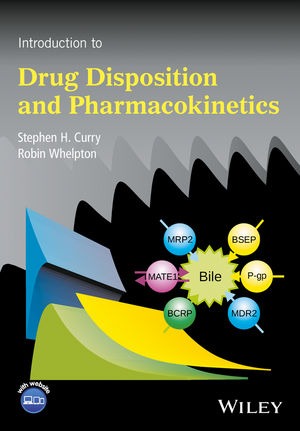
Introduction to Drug Disposition and Pharmacokinetics
The application of knowledge of drug disposition, and skills in pharmacokinetics, are crucial to the development of new drugs and to a better understanding of how to achieve maximum benefit from existing ones. The book takes the reader from basic concepts to a point where those who wish to will be able to perform pharmacokinetic calculations and be ready to read more advanced texts and research papers.

Intelligent drugs : How AI is transforming healthcare
The progress of biotechnologies and artificial intelligence allowed the development of vaccines in less than a year, thus saving millions of human lives and preserving the global economy. The emergence of intelligent drugs is highlighted, with the promise of ultra-targeted, more effective, and safer treatments against a wide range of diseases. Personalized medicine then becomes realistic, with computer-designed drugs, perfectly adapted to each individual, tested on virtual patients before their real use. In the near future, thanks to AI, new drugs will improve physical performance, stimulate cognitive abilities, prevent diseases, and slow down aging.

Hepatocellular Cancer : Diagnosis and Treatment
Recent advances in the use of ultrasound and computed tomography, in new drugs and drug combinations, as well as with increasingly successful liver transplantation have transformed not only our understanding of hepatocellular cancer (HCC), but also our clinical management of the disease. In Hepatocellular Cancer: Diagnosis and Treatment, highly experienced clinicians-many from Dr. Thomas Starzl's renowned liver transplant team at the University of Pittsburgh-present a fully synthesized practical approach to HCC patient management, including an up-to-date literature review. Their presentation includes all the latest developments in the diagnosis and treatment of primary liver cancer. A summary chapter details for physicians the diagnostic and therapeutic decision-making process for dealing with such problems as incidental tumors in the liver transplant, the role of neo-adjuvant chemotherapy, intra-arterial vs intravenous therapy, the uses of embolization, and the significance of portal vein thrombus. A value-added compact disk containing a companion ebook version of Hepatocellular Cancer: Diagnosis and Treatment is included for downloading and use in the reader's PC or PDA. Authoritative and highly practical, Hepatocellular Cancer: Diagnosis and Treatment captures for physicians the recent exciting changes in our understanding of hepatocellular cancer, focusing on today's optimal diagnostic methods, novel therapeutics, and day-to-day best management practices.

Fundamentals of Pharmacognosy and Phytotherapy
Pharmacognosy (the science of biogenic or nature-derived pharmaceuticals and poisons) has been an established basic pharmaceutical science taught in institutions of pharmacy education for over two centuries. Over the past 20 years though it has become increasingly important given the explosion of new drugs, phytomedicines (plant medicines), nutraceuticals and dietary supplements – all of which need to be fully understood, tested and regulated.
Evolutionary computation, machine learning and data mining in bioinformatics ; 6th European Conference, EvoBIO 2008, Naples, Italy, March 26-28, 2008. Proceedings
The feld of bioinformatics has two main objectives: the creation and main- nance of biological databases, and the discovery of knowledge from life sciences data in order to unravel the mysteries of biological function, leading to new drugs and therapies for human disease. Life sciences data come in the form of biological sequences, structures, pathways, or literature. One major aspect of discovering biological knowledge is to search, predict, or model specifc infortioninagivendatasetinorderto generate new in teresting knowledge.Computer science methods such as evolutionary computation, machine learning, and data mining all have a great deal to ofer the feld of bioinformatics.

Emerging Drugs in Sport
Offers a timely analysis of the new challenges posed by this phenomenon in the anti-doping community. The authors present the first comprehensive perspective on the rapidly shifting doping scenario and reflect on use, regulation, policy, and market structure of NPS used in sports. They highlight the challenges with the list of prohibited substances and methods in and out of competition. They also evaluate how methods to detect new drugs present an ongoing battle for doping control as they have to be adapted constantly. Topics covered within the chapters include: Contamination of Sports Supplements with Novel Psychoactive Substances Untested Supplement Use Among Athletes: An Overlooked Phenomenon? International Drug Control: Protecting the Health of the Athlete Analysis of New Chemical Entities in a Sport Context Emerging Drugs in Sport establishes a clear benchmark on the policy discussion, drawing from available evidence and sources, including athletes' personal experiences, to generate a fact-based resource that informs a research as well as wider audience.

Drug safety evaluation
Presents an all-inclusive practical guide for those who are responsible for developing new drugs and ensuring the safety of an ever-expanding spectrum of therapeutics. This book helps readers understand how the safety of these products are evaluated for use. Extensively revised to reflect up-to-date information, this edition includes changes to the scope of products (vaccines, small synthetic, large protein moieties, cells and tissues), harmonized global and national regulatory requirements, the therapeutic development process, and available technologies to identify and evaluate the relevance of potential patient risks

Drug Metabolism, Pharmacokinetics and Bioanalysis
Drug metabolism/pharmacokinetics and drug interaction studies have been extensively carried out in order to secure the druggability and safety of new chemical entities throughout the development of new drugs. Recently, drug metabolism and transport by phase II drug metabolizing enzymes and drug transporters, respectively, as well as phase I drug metabolizing enzymes, have been studied. A combination of biochemical advances in the function and regulation of drug metabolizing enzymes and automated analytical technologies are revolutionizing drug metabolism research. There are also potential drug-drug interactions with co-administered drugs due to inhibition and/or induction of drug metabolic enzymes and drug transporters.

Drug discovery targeting drug-resistant bacteria
Drug Discovery Targeting Drug-Resistant Bacteria explores the status and possible future of developments in fighting drug-resistant bacteria. The book covers the majority of microbial diseases and the drugs targeting them. In addition, it discusses the potential targeting strategies and innovative approaches to address drug resistance. It brings together academic and industrial experts working on discovering and developing drugs targeting drug-resistant (DR) bacterial pathogens. New drugs active against drug-resistant pathogens are discussed, along with new strategies being used to discover molecules acting via new modes of action. In addition, alternative therapies such as peptides and phages are included.

Drug discovery and development
Presents up-to-date scientific information for maximizing the ability of a multidisciplinary research team to discover and bring new drugs to the marketplace. It explores many scientific advances in new drug discovery and development for areas such as screening technologies, biotechnology approaches, and evaluation of efficacy and safety of drug candidates through preclinical testing. This book also greatly expands the focus on the clinical pharmacology, regulatory, and business aspects of bringing new drugs to the market and offers coverage of essential topics for companies involved in drug development. Historical perspectives and predicted trends are also provided.

Drug development and approval process
Drug discovery is the process of identifying and characterizing molecules with the potential to safely modulate disease, with a goal to bring medicines that can improve the lives of patients. It is a lengthy and resource intensive process, that requires close cooperation across multiple disciplines. Optimizing the process of drug discovery is of great interest to the pharmaceutical industry, as the efficient identification and selection of suitable drug candidates can have a dramatic impact on the cost and profitability of new medicines.

Conditional Mutagenesis : An Approach to Disease Models
Leading experts provide timely and comprehensive information on methods for conditional mutagenesis in the mouse (part 1) and their application to model human physiology and pathophysiology (part 2). It illustrates how sophisticated genetic manipulations of the mouse genome are employed to model human diseases and to identify underlying molecular mechanisms. Finally the book considers the development of new drugs to treat them.
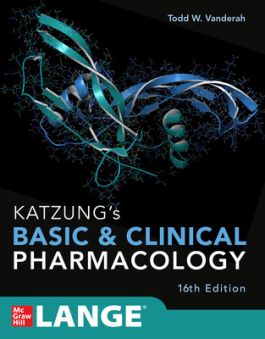
Katzung's basic and clinical pharmacology
The most comprehensive and authoritative pharmacology text --updated with new content and USMLE-style questions Presented in full-color and packed with hundreds of illustrations, Basic and Clinical Pharmacology is the wide-ranging, engaging guide students have counted on for decades. To be as clinically relevant as possible, the book includes sections that specifically address the clinical choice and use of drugs in patients and the monitoring of their effects, along with case studies that introduce clinical problems. Each chapter opens with a case study, covers drug groups and prototypes, and closes with summary tables and diagrams that encapsulate important information. Updated to reflect the latest research, this sixteenth edition features a new chapter on cannabinoids, USMLE-style questions, new drug tables, and more. Basic and Clinical Pharmacology, Sixteenth Edition features: * 330 full-color illustrations * NEW: 100 drug tables * NEW: 50 USMLE-style questions * NEW: Chapter on cannabinoids * A strong emphasis on drug groups and prototypes * Case studies and chapter-ending summary tables * Organization that reflects the syllabi of pharmacology courses * Descriptions of important new drugs
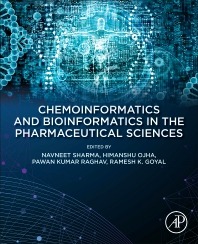
Chemoinformatics and Bioinformatics in the Pharmaceutical Sciences
Chemoinformatics and Bioinformatics in the Pharmaceutical Sciences brings together two very important fields in pharmaceutical sciences that have been mostly seen as diverging from each other: chemoinformatics and bioinformatics. As developing drugs is an expensive and lengthy process, technology can improve the cost, efficiency and speed at which new drugs can be discovered and tested. This book presents some of the growing advancements of technology in the field of drug development and how the computational approaches explained here can reduce the financial and experimental burden of the drug discovery process.
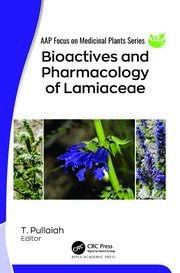
Bioactives and pharmacology of lamiaceae
Provides a wealth of information on plants in the Lamiaceae family, noted for their essential oils and bioactives and pharmacological properties. The chapters investigate a wide variety of species, providing for each an introduction, characteristics, properties, distribution, traditional uses, and current and potential pharmacological applications. Aiming to be a resource for the development of new drugs based on species within the Lamiaceae family, the volume discusses 26 species, including bungleweed (Ajuga), Malabar catmint (Anisomeles malabarica), beechwood (Gmelina arborea), Brazilian mint (Hyptis crenata), rosemary (Rosmarinus officinalis L.), holy basil (Ocimum tenuiflorum), and many more.
