



الصفحة 1
الصفحة 1

Oncology : An Evidence-Based Approach
Reflect the principles and current practice of oncology with contributors from the fields of medical, surgical, and radiation oncology. The textbook will incorporate an evidence-based approach, enabling the reader to make decisions on the basis of concrete data. Sections on solid tumors, hematologic malignancies and the practice of oncology address the natural history and therapy for the full spectrum of neoplastic diseases in the adult. Further sections present fundamentals of supportive care of the cancer patient, the management of oncologic emergencies and acute toxicities of therapy, as well as care of metastatic disease and the terminally-ill patient. Breaking new ground, the textbook features thoughtful, in-depth sections on cancer prevention and control, cancer surviorship, the economics of cancer care, and cancer informatics. Cancer imaging is covered with an organ system-based approach, with an additional chapter on the especially intriguing potential of PET. Furthermore, a comprehensive section on translational basic science reviews the fundamentals of molecular biology, the cell cycle and signal transduction, carcinogenesis, cancer genetics, the biology of invations and metastasis, and tumor immunology.

Neurocutaneous Disorders : Phakomatoses and Hamartoneoplastic Syndromes
Neurocutaneous diseases are a wide group of conditions that affect the nervous system but appear as lesions of the skin. Some of the more common entities have variable forms of expression that can confuse the diagnosis; for the rare conditions it is difficult to find descriptions in the literature. Recent insights into their cellular, biochemical and molecular genetic bases have shown the essential need for a new nosology and updated genotype-phenotype correlations. The book provides an authoritative source of knowledge about these difficult problems and bridges the gap between clinical recognition and the new molecular medicine. The editors, distinguished clinicians and geneticists, assembled an internationally renowned group of collaborators, many of them the experts who first described a particular disorder or established its present accepted definition.

MRI of the Liver : Imaging Techniques, Contrast Enhancement, Differential Diagnosis
Due to the latest developments in magnetic resonance imaging for the evaluation of liver pathology, a second, completely revised and enlarged edition of this book was felt necessary – despite only three years having elapsed since the first edition. New chapters have been added covering important and highly relevant topics, among which imaging of pseudolesions, imaging of neoplastic diseases in pediatric subjects, imaging of bile ducts, MR angiography and imaging pre and post liver transplantation.

Molecular Markers of Brain Tumor Cells : Implications for Diagnosis, Prognosis and Anti-Neoplastic Biological Therapy
Childhood brain tumors are a diverse group of diseases characterized by the abnormal growth of tissue contained within the skull. Other than leukemia and lymphoma, brain tumors are the most common type of neoplasms that occur in children. The leading cause of death from childhood neoplasms among persons up to 19 years is brain tumors. As such, this book is a review of the most recent molecular biological research concerning brain tumors with references and comparisons to a variety of neoplastic disorders. The book then uses this information to foreshadow the direction that future anti-neoplastic therapies will take. Because of the wide spectrum of the objectives of the book, any individual involved in cancer research will greatly benefit from the work. Histopathologists, neuropathologists, clinical and research oncologists, and medical students will find this book to be an invaluable resource as a reference guide. Patients and their families will also find the book useful as it offers a comprehensive update on new, non-classical therapeutic modality options and contains a detailed description and analysis of brain tumors. Such an endeavor has yet to be undertaken by any other book and may prove to be the most comprehensive book on brain tumors thus far.

Introduction to basics of pharmacology and toxicology ; Vol.2 : Essentials of systemic pharmacology : From principles to practice
Describes the pharmacology of drugs acting on different systems in the human body Analyses various human diseases and the pharmacological agents governing them Provides a valuable reference resource for academicians, researchers, and clinical practitioners Offers a comprehensive overview of the pharmacology concerning the autonomic, central, and peripheral nervous systems. Presenting up-to-date information on chemical mediators and their significance, it highlights the therapeutic aspects of several diseases affecting the cardiovascular, renal, respiratory, gastrointestinal, endocrinal, and hematopoietic systems. The book also includes drug therapy for microbial and neoplastic diseases. It also comprises sections on immunopharmacology, dermatological, and ocular pharmacology providing valuable insights into these emerging and recent topics.
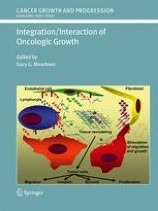
Integration / Interaction of Oncologic Growth
The present multi-volume Book Series, CANCER GROWTH AND PROGRESSION, encompasses the widest possible framework of cutting edge research in the field of neoplastic pathology and other integrated fields. The individual volumes in this series focus on the topics of highest scientific interest for basic and clinical researchers, pathologists, medical and surgical oncologists and allied multidisciplinary teams interested in the study of these aspects of neoplastic growth, progression and inhibition. The range of topics covered is extensive.

Integrated Cytology of Cerebrospinal Fluid
Integrated Cytology of Cerebrospinal Fluid is a practical guide to this method used in the diagnosis of different pathologies. High-quality slides depict the common cerebrospinal fluid cell types, cell anomalies in inflammatory conditions and neoplastic and non-neoplastic disorders, and cases with contaminants.

Fungi as an Alternative Source of Anticancer and Antioxidant
Fungi are an " excellent but underexplored source " for new therapeutic compounds. The limited availability of bioactive principles in plant sources could be surpassed by exploiting the chemical entities in the endophytes fungi . fungi represent a rich source of bioactive metabolite that can manipulated to produce desirable novel analogs. In addition to the active substances that can be extracted from the fungi, so that they are useful in several mechanisms. Exploring and exploiting of metabolites from endophytic in terrestrial, mangrove and marine habitats may provide an avenue for discovery of drug candidates against deadly human disease. This review focuses on the production of antioxidant and anticancer from severa fungi habitats.
Fundamentals of Pap Test Cytology
Fundamentals of Pap Test Cytology is intended as a practical primer on the Pap test. Using bold text, tables, and highlighted areas, this book offers readers a user-friendly text on Pap test fundamentals so readers may find specific information effortlessly. This book begins with a basic dictionary of terms, principles, and anatomy before detailing such issues as the Bethesda System, liquid-based and physiological cytology, reactive changes, human papillomavirus, and atypical squamous cells. The authors also discuss low-grade and high-grade squamous intra-epithelial lesions, invasive squamous carcinoma, endocervical and endometrial lesions, metastatic tumors, therapy-related changes, and the newest techniques in screening and managing Pap tests.

Diagnostica per immagini dellapparato urogenitale = Imaging of the urogenital system
The work is divided into nine parts and deals with normal macroscopic and radiological anatomy in the first six chapters, to then consider the individual malformative, lithiasic, inflammatory and neoplastic pathologies.

Developmental Biology of Neoplastic Growth
In this book, tumour growth is perceived as a deviation from the normal development of the human organism. The molecular, cellular, and tissue determinants of different tumours are discussed showing that each is a different disease, often corresponding to a particular developmental stage. The natural history of several cancers illustrates how clinical incidence can be just the visible part of the iceberg, while the first changes at the tissue level sometimes occur several years before tumour growth becomes manifest.

Deadly Dermatologic Diseases : Clinicopathologic Atlas and Text
Includes understanding of the biologic behavior of pigmented lesions, cutaneous lymphomas, vascular lesions, and soft tissue tumors.It discusses a wide variety of entities–neoplastic, vascular, infectious, metabolic–each of which may eventuate in death of the patient. In addition, numerous tumors and dermatoses frequently associated with internal malignancies are reviewed. High-quality histologic photomic- graphs and clinical pictures accompany many of the discussions.

Dail and Hammars Pulmonary Pathology : Vol. I: Nonneoplastic Lung Disease
Dail and Hammar’s Pulmonary Pathology has established itself as the definitive reference in the field. This authoritative reference work has been thoroughly updated to cover newly recognized entities and the latest advances in molecular diagnostic techniques.
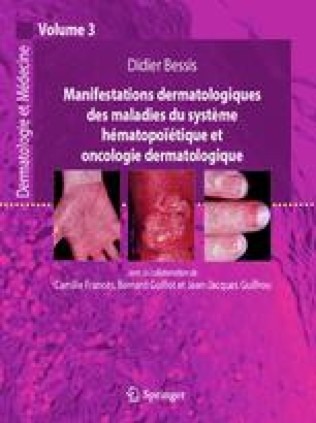
Manifestations dermatologiques des maladies du système hématopoïétique et oncologie dermatologique : Dermatologie et médecine ; Vol.3 = Dermatological manifestations of diseases of the hematopoietic system anddermatological oncology : Dermatology and medicine ; Vol.3
Provides an update on all the disorders of the hematopoietic system with dermatological expression or with a cutaneous origin. Myeloproliferative and myelodysplastic syndromes, leukemias, lymphomas and cutaneous histiocytoses are thus widely described in the light of the latest clinical (classification, new entities) and therapeutic advances.
Le dépistage du cancer bronchique : De l'espoir à la réalité = Lung cancer screening : From hope to reality
An ambitious program has been launched in terms of research, diagnosis, prevention, and screening. Among cancers, the leading cause of cancer death is lung cancer. This disease, so closely linked to behavioral habits, both focuses and encapsulates the problem. Despite constant progress in treatment, the prognosis remains bleak, explaining the fatalistic impression left by the last decade. While significant efforts were being made in screening for other cancer sites, lung cancer remained in the shadows, with studies showing limited effectiveness in this approach. The advent of spiral CT scanning has revolutionized the field, giving rise to new hope alongside anti-smoking campaigns. Autofluorescence endoscopy, by enabling the diagnosis of pre-neoplastic lesions, completes an arsenal that finally allows us to envision an effective, combined strategy. This book brings together all the elements relating to screening and early diagnosis. The road from hope to reality is long, but we must acknowledge that, for the first time, we know it exists.
Le complicazioni neurologiche in oncologia = Neurological complications in oncology
This volume, both necessary and new in the panorama of Italian medical literature, acknowledges this and presents an updated and complete review of the pathologies of the central and peripheral nervous system associated with tumors and their treatment. The purpose of the volume is to present an integrated approach between specialists that must see the neurologist and the oncologist in dialogue, and able to develop a new super-specialized clinical capacity in neuro-oncology. Many experts have contributed to its preparation by sharing knowledge on topics ranging from metastatic complications, to those of surgical cancer therapy, radio- and chemo-therapy, paraneoplastic syndromes, pain therapy, delirium and the affective alterations associated with the disease. The book is aimed in particular at neurologists, oncologists, palliative care practitioners and surgeons, but it is certainly useful for general practitioners and all operators who are daily involved in the demanding work of taking care of cancer patients.
Cancer Prevention
This volume contains the main proceedings of the fourth international conference on "Cancer Prevention 2006," which was held during February 16–18, 2006, in St. Gallen, Switzerland. Written by international experts in the field, the book comprises a comprehensive update on the most recent developments in the upsurging fields of molecular biology and cancer genetics and their interactions with clinical epidemiology and cancer prevention at various levels: genetic/biologic predisposition and definition of high-risk groups; preclinical models and tumor prevention; prospects of surrogate endpoints and biomarkers; progress in imaging and detection of neoplastic precursor lesions.
Cancer drug safety and public health policy : A changing landscape
Description and analysis of recent developments and current trends in health policy with regard to cancer drug safety. Opens with an overview of pharmacovigilance for cancer blockbuster drugs, covering both general considerations and efforts to develop a structured framework for the identification and reporting of adverse drug reactions (ADRs). A number of important examples of serious ADRs to hematology and oncology drugs are then reviewed, with evaluation of the lessons learned and the policy implications of the ensuing legal cases and their settlements. Further, the difficulty of reporting such blockbuster side effects in the medical literature is explored in an empirical study. Significant advances have been achieved in analytic methods for the identification of ADRs, and here there is a particular focus on the value of optimal discriminant analysis. Finally, the impacts on pharmacovigilance and drug safety of the huge fines paid under the U.S. False Claims Act relating to the defrauding of governmental programs also receive careful attention – these fines are playing an important role in changing the landscape for pharmaceutical safety.
Cancer drug resistance : methods and protocols
Discusses the latest techniques used to identify cancer drug resistance determinants at the molecular, cellular, and functional levels. Chapters in this book cover up-to-date topics including tumor-microenvironment cell co-culture methods and microfluidics systems; workflows for functional assessment of drug resistance in vitro and in vivo; quantitative techniques for identifying quiescent blood-flow circulating cells; and single-cell characterization methods, such as mass cytometry.
Breast cytopathology
Breast Cytopathology by Syed Ali, MD and Anil Parwani, MD will fulfill the need for an easy-to-use and authoritative synopsis of breast cytopathology. This volume, part of the Essentials in Cytopathology book series, fits into the lab coat pocket and is ideal for portability and quick reference. Each volume in the series is heavily illustrated with a full color art program, while the text follows a user-friendly outline format.
