



الصفحة 1
الصفحة 1

The power of difference : Where the complexities of diversity and Inclusion meet practical solutions
Learn how to create true diversity and inclusion by combining our differences, having open conversations and listening to all voices, not just the few, with this practical and engaging guide.

The Inhuman Condition : Looking for Difference after Levinas and Heidegger
At the origin of this volume, a simple question: what to make of that surprisingly monotonous series of statements produced by our societies and our philosophers that all converge in one theme - the importance of difference,To clarify the meaning of the difference at stake here, we have tried to rephrase it in terms of the two major and mutually competing paradigms provided by the history of phenomenology only to find both of them equally unable to accommodate this difference without violence. The result? An account of difference that is neither ontological nor ethical, but 'mè-ontological', and that can help us understand some of the problems our societies have come to face (racism, sexism, multiculturalism, pluralism). And, in the wake of this, an unexpected defence of what is at stake in postmodernism and in the question it has refused to take lightly: who are we.

Race, Ethnicity and Education in Globalised Times
This book broaches what has become a ‘noisy silence’ whereby conversations about race and ethnic relationships are understood as unbalanced, irrelevant or as too dangerous to speak about. It is concerned with the ways that race and ethnic relationships are spoken about in contemporary western societies such as Australia and the changed and confused debates that underpin those discussions. Parents and teachers at one State secondary school in Melbourne, Australia speak about race and ethnic relationships as their school community is increasingly altered by globalising, technological and population change. Newspapers and public policy debates avoid discussions about race relationships even as discussions about national identity and direction are crucial themes. This book argues that race and ethnic relationships must be understood in new ways; that the analytical frameworks provided by constructivist thought and post-colonial writing must be interrogated to provide more comprehensive methodological resources to examine these relationships.

Philosophy, Science, Education and Culture
Currents such as epistemological and social constructivism, postmodernism, and certain forms of multiculturalism that had become fashionable within science education circles in the last decades lost sight of critical inquiry as the core aim of education. In this book we develop an account of education that places critical inquiry at the core of education in general and science education in particular. Since science constitutes the paradigm example of critical inquiry, we explain the nature of science, paying particular attention to scientific methodology and scientific modeling and at the same time showing their relevance in the science classroom. We defend a universalist, rationalist, and objectivist account of science against epistemological and social constructivist views, postmodernist approaches and epistemic multiculturalist accounts.

Indigenous Cultures and Sustainable Development in Latin America
This book outlines development theory and practice over time as well as critically interrogates the “cultural turn” in development policy in Latin American indigenous communities, specifically, in Guatemala, Honduras, Ecuador, and Bolivia.

Group rights as human rights : A liberal approach to multiculturalism
Liberal theories have long insisted that cultural diversity in democratic societies can be accommodated through classical liberal tools, in particular through individual rights, and they have often rejected the claims of cultural minorities for group rights as illiberal. Group Rights as Human Rights argues that such a rejection is misguided. Based on a thorough analysis of the concept of group rights, it proposes to overcome the dominant dichotomy between "individual" human rights and "collective" group rights by recognizing that group rights also serve individual interests.
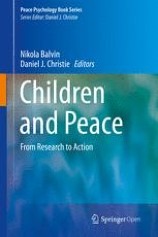
Children and Peace : From Research to Action
This book's multi-layered emphasis on context, structural determinants of peace and conflict, and use of research for action towards social cohesion for children and youth has not been brought together in other peace psychology literature to the same extent. Children and Peace: From Research to Action will be a useful resource for peace psychology academics and students, as well as social and developmental psychology academics and students, peace and development practitioners and activists, policy makers who need to make decisions about the matters covered in the book, child rights advocates and members of multilateral organizations such as the UN.
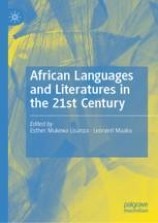
African Languages and Literatures in the 21st Century
Examines the crucial role still played by African languages in pedagogy and literatures in the 21st century, generating insights into how they effectively serve cultural needs across the African continent and beyond. Boldly positioning African languages as key resources in the 21st century, chapters focus on themes such as language revolt by marginalized groups at grassroots level, the experience of American students learning African languages, female empowerment through the use of African languages in music, film and literary works, and immigration issues. The contributions are written by scholars of language, literature, education and linguistics, and will be of interest to students and scholars in these and related areas.
