



الصفحة 1
الصفحة 1
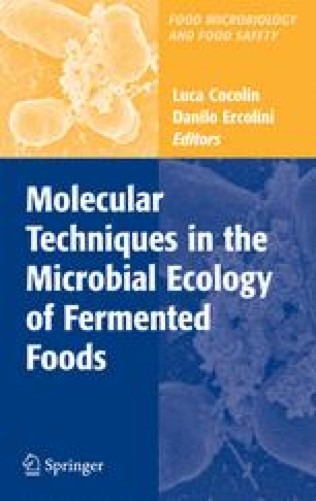
Molecular Techniques in the Microbial Ecology of Fermented Foods
Molecular Methods and Microbial Ecology of Fermented Foods presents the latest findings in microbial ecology as determined by the application of molecular methods, reports the most recent advances in the field, and offers details on primers and protocols most suitable for studying specific food ecosystems. It provides analytical details and suggestions useful in research, as well as evaluation of the criticism of using novel approaches in food fermentation microbiology. This book also discusses new insights drawn from the use of bio-molecular techniques in the microbial ecology of fermented foods.
Molecular Biology in Plant Pathogenesis and Disease Management : Microbial Plant Pathogens ; Vol.1
Studies on molecular biology of pathogens, infection process and disease resistance, have provided information essentially required to understand the vulnerable stages at which the pathogens can be tackled effectively and to adopt novel strategies to incorporate disease resistance genes from diverse sources and /or to induce resistance of cultivars with desirable agronomic attributes using biotic or abiotic agents. The nature of interaction between the gene products of the pathogen and plant appears to determine the outcome of the interaction resulting in either disease progression or suppression. Transgenic plants with engineered genes show promise for effective exploitation of this approach for practical application. Research efforts during the recent years to sequence the whole genomes of the pathogens and plants may lead to development of better ways of manipulating disease resistance mechanisms enabling the grower to achieve higher production levels and the consumer to enjoy safer food and agricultural products. Experimental protocols included in appropriate chapters will be useful for researchers and graduate students.

Molecular Biology in Plant Pathogenesis and Disease Management : Disease Management ; Vol.3
Exclusion and eradication of plant pathogens by rapid and precise detection and identification of microbial pathogens in symptomatic and asymptomatic plants and planting materials by employing molecular methods has been practiced extensively by quarantines and certification programs with a decisive advantage. Identification of sources of resistance genes, cloning and characterization of desired resistance genes and incorporation of resistance gene(s) into cultivars and transformation of plants with selected gene(s) have been successfully performed by applying appropriate molecular techniques. Induction of resistance in susceptible cultivars by using biotic and abiotic inducers of resistance is a practical proposition for several crops whose resistance levels could not be improved by breeding or transformation procedures. The risks of emergence of pathogen strains less sensitive or resistant to chemicals have been reduced appreciably by rapid identification of resistant strains and monitoring the occurrence of such strains in different geographical locations.

Molecular Biology in Plant Pathogenesis and Disease Management : Disease Development ; Vol.2
This volume focuses on the possibility of applying the knowledge on pathogenesis and molecular epidemiology to determine the vulnerable stages in the life cycles of the pathogens that can be disrupted to achieve more effective disease control.

Infection Control in the Intensive Care Unit
Infection Control in the Intensive Care Unit has been entirely rewritten in this second edition. All statements are justified by the best available evidence, avoiding unsubstantiated expert opinion. The book contains a new section dedicated to the microbiology of the critically ill, specifically, how to process and interpret surveillance cultures to distinguish the ‘normal’ from the ‘abnormal’ carrier state. There are five totally new chapters dealing with evidence-based infection control molecular techniques for outbreak analysis; clinical virology in neonatal, paediatric and adult intensive care; the six basic principles of the therapy of an infection; and the role of the pharmacist in infection control. Attention is given to special topics such as nutrition, gut mucosal protection and the control of antimicrobial resistance. The addition of enteral to parenteral antimicrobials contributes to the control of multi-resistant micro-organisms. This completely revised second edition is a ‘must have’ for anyone requiring in depth knowledge in the ever expanding field of infection control.

Host-pathogen interactions : Methods and protocols
Serves as multidisciplinary compendium of approaches and techniques employed to analyze the role of different molecules, processes, or strategies used by different guests to survive and proliferate in their associations with eukaryotic hosts. Beginning with animal-pathogen interactions, the book then continues with chapters exploring virus-host interactions, plant-microbe interactions, as well as different molecular techniques that were initially applied to non-pathogenic interactions but can be adapted to study other host-pathogen associations. Written for the highly successful Methods in Molecular Biology series, chapters include introductions to their respective topics, lists of the necessary materials and reagents, step-by-step and readily reproducible laboratory protocols, as well as tips for troubleshooting and avoiding known pitfalls.

Growth, Differentiation and Sexuality
Since publication of the first edition of Volume I in 1994, the field of fungal biology has developed tremendously, mainly through the advancement of various molecular techniques and international fungal genome projects. To accommodate these developments, the second edition has been completely updated. Six chapters have been revised by former authors, others by newly recruited experts, and also novel subjects, emerged in more recent years, have been added to the book. Leading scientists in the field have compiled comprehensive overviews as well as latest results obtained from cytological, genetic and molecular studies. Topics include: cellular and colony growth of fungi, cellular fusion and incompatibility, senescence and programmed cell death, environmental and physiological signalling in differentiation processes, asexual and sexual reproduction, mitosis and meiosis of various types of fungi. Both parallels and differences become visible between individual fungi as well as between fungal classes.

Foodborne Diseases
In Foodborne Diseases, leading authorities present a broad overview of the microbial pathogens and toxins associated with foodborne illness while discussing pathogenicity, clinical epidemiology, diagnosis, and treatment. The chapters of this volume cover a wide variety of bacterial pathogens, viruses, protozoans, and parasites, as well as microbial toxins, and also address alternatives to antibiotics, risk assessment, irradiation and other sanitation procedures, and molecular techniques for detecting foodborne pathogens. Additionally, the acclaimed authors discuss pathogen control strategies and look toward future innovations in food safety technology. Covering essential foodborne pathogens, assessment and treatment, Foodborne Diseases is an essential reference for infectious disease specialists, microbiologists, and industrial and research-based scientists in food safety.

Cutaneous Lymphomas : Unusual Cases 2
This book describes unusual cases of cutaneous lymphomas and is of special interest for clinicians and pathologists dealing with the vexing subject of cutaneous lymphoma. In addition to the case description, it gives the clinical, histological, and in most cases also the phenotypical features and the results of molecular techniques. A commentary puts the observations into the context of cutaneous lymphomas.
Bacterial Fish Pathogens : Disease of Farmed and Wild Fish
This completely revised and updated edition of Bacterial Fish Pathogens is a comprehensive discussion of the biological aspects of the bacterial taxa which cause disease in fish. Since the 3rd edition was published in 1999, much has changed in the control of disease of farmes and wild fish. New pathogens such as Pasteurella skyensis have been described, and antimicrobial compounds for the control of disease have been replaced by alternative methods, such as probiotics. Consideration is given to all the bacterial taxa which have at some time been reported as fish pathogens, whether they are secondary invaders of already damaged tissues or serious, primary pathogens.

Atlas of genetic diagnosis and counseling
Many birth defects, although rare individually, are encountered in clinical practice and have now become treatable if properly diagnosed. In the Atlas of Genetic Diagnosis and Counseling, Harold Chen, MD, shares his almost 40 years of clinical genetics practice in a comprehensive pictorial atlas of 203 genetic disorders, malformations, and malformation syndromes. The author provides a detailed outline for each disorder, describing its genetics, basic defects, clinical features, diagnostic tests, and counseling issues, including recurrence risk, prenatal diagnosis, and management. Numerous color photographs of prenatal ultrasounds, imagings, cytogenetics, and postmortem findings illustrate the clinical features of patients at different ages, patients with varying degrees of severity, and the optimal diagnostic strategies. The disorders cited are supplemented by case histories and diagnostic confirmation by cytogenetics, biochemical, and molecular techniques, when available.
