



الصفحة 1
الصفحة 1

Oncogenes Meet Metabolism : From Deregulated Genes to a Broader Understanding of Tumour Physiology
In 1920s, Otto Warburg described the phenomenon of ‘aerobic glycolysis’, the ability of tumour cells to convert glucose to lactate in the presence of normal oxygen conditions. Warburg’s hypothesis of an altered metabolism in cancer cells found no immediate acceptance, though it was latter confirmed for most human tumours. With the advent of molecular biology the focus in tumour research has shifted towards the search for oncogenes. However, the interest in cancer molecular profiling eventually led to a renaissance of the Warburg effect trying to combine genetic alterations with effects on metabolism with the help of modern analytic technologies to rapidly analyze broad varieties of metabolites in various tissues and bodyfluids (metabonomics).

Nutraceuticals in insomnia and sleep problems
Sleep is one of the most important and crucial physiological needs for maintaining a healthy life. However, in today’s day and age, insomnia and other sleep disorders, such as sleep apnea, are increasing rapidly. This new book details the nutraceuticals from foods that help to promote good health and optimum sleep. The authors discuss the importance of sleep, the role of diet in sleep, the role of specific vitamins and minerals, amino acids and opioids as nutraceuticals for sleep, newer technologies for use and delivery of nutraceuticals for treating insomnia, and more. The book not only explores nutraceuticals that promote optimum sleep but also details foods that cause insomnia, such as processed, chemical-rich, and refined foods. Chapters also cover commensal and symbiotic microbes, microbial metabolites, and bacteriocins and their impact on sleep. A chapter on the ethical issues related to addiction to nutraceuticals for sleep induction is also included.

Molecular evolutionary models in drug discovery
Explores the application of evolutionary molecular models in drug discovery in which secondary metabolites play a fundamental role. Secondary metabolites are not produced in isolation, they are the result of the interaction of genes, metabolism and the environment. The book examines the role of secondary metabolites as leads in drug discovery and on the development of a rational bioprospecting model for new medicines based on the evolution of secondary metabolism. These evolutionary models are part of biological systems and are the most reliable expression of the functioning of living beings.
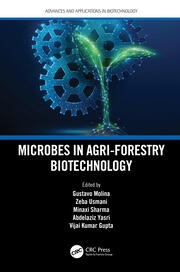
Microbes in agri-forestry biotechnology
Explores recent advances on the use of microbes for agri-forestry biotechnological applications. It provides technical concepts and discussions on the use of microorganisms for processes such as bioprocessing, bioremediation, soil enhancement, aquaponics advances, and plant-host symbiosis. The book provides an overview of the microbial approach to the tools and processes used in agriculture and forestry that make or modify products, improve plants for specific uses, and make use of livestock in agricultural systems. The authors discuss the main process conditions that enhance agri-forestry applications with the use of microbes and introduce the use of genetically modified (GM) microbes in agrobiotechnology. Finally, the authors explore the main technological advances in the production of secondary metabolites with potential applications in agri-forestry.

Metabolomics : The frontier of systems biology
Metabolism is the sum of the chemical reactions in cells that produce life-sustaining chemical energy and metabolites. In the post-genome era, metabolism has taken on new significance for biological scientists: metabolites are the chemical basis of phenotypes that are final expressions of genomic information. This book covers research on metabolomics, ranging from the development of specialized chemical analytical techniques to the construction of databases and methods for metabolic simulation. The authors have been directly involved in the development of all the subject areas, including capillary electrophoresis, liquid chromatography, mass spectrometry, metabolic databases, and metabolic simulation. Breakthrough achievements and the future of metabolome studies are described, making this book a valuable source for researchers in metabolomics in diverse fields, such as plant, animal, cellular, microbial, pharmaceutical, medical, and genetic sciences.

Metabolomics : A powerful tool in systems biology
This book brings together the latest results in the field of metabolomics. It comprehensively presents the current state of the metabolomics field by underscoring experimental methods, analysis techniques, standardization practices, and advances in specific model systems. As a result, it significantly broadens our perspective on the principles and strategies underpinning this emerging field.

Immunity boosting medicinal plants of the Western Himalayas
Presents a comprehensive guide to traditional immunity-boosting medicinal plants of the Himalayas, their traditional uses, phytochemistry, pharmacology, diversity, conversation, biotechnology, toxicology, as well as future prospective. All the chapters cover the latest advances in ethnobotany, phytochemistry, biochemistry, and biotechnology.

Hormones, metabolism and the benefits of exercise
The world is faced with an epidemic of metabolic diseases such as obesity and type 2 diabetes. This is due to changes in dietary habits and the decrease in physical activity. Exercise is usually part of the prescription, the first line of defense, to prevent or treat metabolic disorders. However, we are still learning how and why exercise provides metabolic benefits in human health. This open access volume focuses on the cellular and molecular pathways that link exercise, muscle biology, hormones and metabolism. This will include novel “myokines” that might act as new therapeutic agents in the future.

Fungi as an Alternative Source of Anticancer and Antioxidant
Fungi are an " excellent but underexplored source " for new therapeutic compounds. The limited availability of bioactive principles in plant sources could be surpassed by exploiting the chemical entities in the endophytes fungi . fungi represent a rich source of bioactive metabolite that can manipulated to produce desirable novel analogs. In addition to the active substances that can be extracted from the fungi, so that they are useful in several mechanisms. Exploring and exploiting of metabolites from endophytic in terrestrial, mangrove and marine habitats may provide an avenue for discovery of drug candidates against deadly human disease. This review focuses on the production of antioxidant and anticancer from severa fungi habitats.

Flavonoids as nutraceuticals
Flavonoids are well-known plant metabolites that have extraordinary properties that can be used for treating health issues. The pharmaceutical importance of flavonoids is due to their anti-depressant, anti-viral, anti-inflammatory, and antioxidant capacities. They are also of great importance when it comes to neuroprotection, cardiovascular disorders, and many types of cancer. Flavonoids are also easily available and produce less harmful side effects than some conventional therapeutics. This new volume examines the growing use of flavonoids for prevention and treatment of diseases and discusses their beneficial mechanisms. Chapters in the volume address diverse uses as anti-aging tools, as anti-inflammatory agents, for treating pregnancy-induced disorders, as a promising tool to combat infection of Covid-19, etc. The book explores their specific therapeutic antiviral potentials, the gene expression by flavonoids, and the role of flavonoids in agriculture.

Exploring medicinal orchids
Orchids are fascinating ornamental flowers with a huge market both as cut flowers and potted plants, but they are also used in the traditional medicine system as they can be rich in phytochemicals with exceptional medicinal properties. This book, Exploring Medicinal Orchids, is a comprehensive guide for medicinally important orchids, their diversity, and their use in traditional and folk medicines. It presents information on secondary metabolites of medicinally active orchid species, pharmaceutical and medicinal applications, and describes advanced techniques of biotechnology in the conservation of medicinal orchids.

Endophytic microbes: Isolation, identification, and bioactive potentials
Provides basic insight and protocols relating to endophytic microbes. Chapter are divided into five major sections detailing basic isolation, bioactive metabolites production. endophytism, isolation and identification of endophytes, bioactive potentials, and screening of metabolites.

Drugs and Poisons in Humans : A Handbook of Practical Analysis
At the beginning of the book, general topics are addressed, including instructions on h- dling biological materials, measurement of drugs in alternative specimens, and guidance on resolving analytical problems that may occur. T ere are discussions of extraction modalities and detection methodologies and how to select these appropriately based on the physioche- cal characteristics of the drug. Analysis of specif c classes of drugs and relevant metabolites are covered in subsequent chapters.

Current Developments in Solid-state Fermentation
Over the period of last two decades, there has been significant resurgence in solid-state fermentation due to the numerous benefits it offers, especially in the engineering and environmental aspects. SSF has shown much promise in the development of several bioprocesses and products. This resurgence gained further momentum during the last 5-6 years with the developments in fundamental and applied aspects. A good deal of information has been generated in published literature and patented information. Several commercial ventures have come up based on SSF in different parts of the world. The contents are organized into four parts: Part 1 deals with the General and Fundamentals aspects of SSF; Part 2 deals with the production of bulk chemicals and products such as enzymes, organic acids, spores and mushrooms in SSF; Part 3 is on the use of SSF for specialty chemicals such as gibberellic acid, antibiotics and other pharmaceutically valuable secondary metabolites, pigments, and aroma compounds; Part 4 deals with the use of SSF miscellaneous application such as SSF for food and feed applications, agro-industrial residues as substrates in SSF and the production of silage and vermicompost.

Marine bioactive molecules for biomedical and pharmacotherapeutic application
Explores cutting-edge research on the discovery and application of marine bioactive molecules for biomedical and pharmacotherapeutic purposes. The book begins by delving into the bioprospection of marine sponge microbiomes for bioactive metabolites using advanced metagenomics tools. It then explores metagenome mining approaches for the discovery of marine microbial natural products. The use of marine-derived fungi as a source of anticancer secondary metabolites is also discussed. The book then turns to the biomedical applications of marine-derived biomaterials, including marine biopolymers in tissue engineering and regenerative medicine. Marine-derived pharmaceuticals and polymeric nanostructures for cancer treatment are also examined.
Lipids in Health and Disease
Lipids are functionally versatile molecules. They have evolved from relatively simple hydrocarbons that serve as depot storages of metabolites and barriers to the permeation of solutes into complex compounds that perform a variety of signalling functions in higher organisms. This volume is devoted to the polar lipids and their constituents. We have omitted the neutral lipids like fats and oils because their function is generally to act as deposits of metabolizable substrates. The sterols are also outside the scope of the present volume and the reader is referred to volume 28 of this series which is the subject of cholesterol. The polar lipids are comprised of fatty acids attached to either glycerol or sphingosine. The fatty acids themselves constitute an important reservoir of substrates for conversion into families of signalling and modulating molecules including the eicosanoids amongst which are the prostaglandins, thromboxanes and leucotrienes. The way fatty acid metabolism is regulated in the liver and how fatty acids are desaturated are subjects considered in the first part of this volume. This section also deals with the modulation of protein function and inflammation by unsaturated fatty acids and their derivatives. New insights into the role of fatty acid synthesis and eicosenoid function in tumour progression and metastasis are presented.

Clinical metabolomics applications in genetic diseases
Helps readers discover the forefront of personalized medicine on clinical metabolomics and its applications in genetic diseases. This comprehensive guide offers a functional relationship map between cell components and genetic variations in various diseases, providing insights that can be applied to personalized medicine. Covers the latest developments in metabolomics for health, with practical guidance for clinical experts looking to advance their laboratory techniques and career. The metabolomics profile is a powerful tool that has revolutionized our understanding of the relationship between genetics, clinical readouts, and disease outcomes. By integrating metabolomics with genomics and clinical phenotypes, the authors have developed diagnostic and prediction models that have vastly improved patient outcomes and deepened the understanding of disease mechanisms.
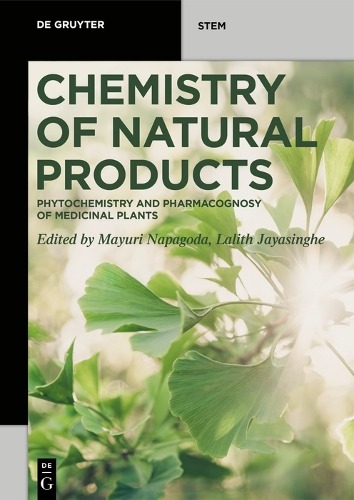
Chemistry of natural products : phytochemistry and pharmacognosy of medicinal plants
Plants produce secondary metabolites that humans harness for their own benefit. About half of drugs currently in clinical use are based on these chemicals found in nature. Chemistry of Natural Products covers secondary metabolites present in medicinal plants and their biosynthesis, biological activities, and isolation and separation techniques.
Chemistry and Safety of Acrylamide in Food
Specifically covered are the following aspects: exposure from the environment and the diet; biomarkers of exposure; risk assessment; epidemiology; mechanism of formation in food; biological alkylation of amino acids, peptides, proteins, and DNA by acrylamide and its epoxide metabolite glycidamide; neurotoxicity, reproductive toxicity, and carcinogenicity; protection against adverse effects; and possible approaches to reducing levels in food. Cross-fertilization of ideas among several disciplines in which an interest in acrylamide has developed, including food science, pharmacology, toxicology, and medicine, will provide a better understanding of the chemistry and biology of acrylamide in food, and can lead to the development of food processes to decrease the acrylamide content of the diet.
Carotenoids ; Vol.4 : Natural Functions
The Carotenoids book series provides detailed accounts of the fundamental chemistry of carotenoids and the basic methods used in carotenoid research, and critical discussions of the biochemistry, functions and applications of these important compounds. Volume 4 and its companion, Volume 5, deal with the functions of carotenoids in all kinds of living organisms and the actions of carotenoids in human nutrition and health. The material presented in the earlier Volumes is all relevant to studies of biological functions and actions. In particular, biological studies must be supported by a rigorous analytical base. The various analytical procedures described in Volumes 1A and 1B, supplemented by the data for individual compounds given in the Carotenoids Handbook, must be understood and applied correctly, whether they are being used for quantitative analysis, identification or in complex studies of carotenoids in situ.
