



الصفحة 1
الصفحة 1

NPY Family of Peptides in Neurobiology, Cardiovascular and Metabolic Disorders : from Genes to Therapeutics
The NPY-family of peptides encompasses several groups of neurotransmitters and hormones, which exert diverse biological and pathological actions that bear on all major vital systems. This book is a unique compilation of the most recent breakthroughs in NPY/PYY neurobiology, cardiovascular and metabolic disorders. The identification of multiple receptors for the members of the NPY and PYY family of peptides provides new opportunities for discovery of specific NPY antagonists and agonists that have vast clinical potential. The recognition of the role of NPY in stimulation of food intake has already resulted in discovery of potent and selective NPY receptor Y-5 antagonists, which are in clinical development for obesity. NPY Y1 receptor antagonists are targeted for cardiovascular indications. Research into the multiple functions of NPY and its receptors in neurological and affective disorders is also actively pursued. The chapters in this book are written by internationally renowned experts with the objective to synthesize leading concepts and data in support for translational medicine.

Insulin Resistance and Polycystic Ovarian Syndrome : Pathogenesis, Evaluation, and Treatment
This book highlights the recent transition of PCOS from an infertility disorder with a diagnosis based on ovarian tissue histology to a more complex clinical entity, a metabolic disorder in which insulin resistance plays a central role. With an expert panel of authors, each chapter provides an up-to-date and balanced overview of PCOS, paying special attention to the central role of insulin resistance in the syndrome’s pathogenesis and in the management of its reproductive and metabolic abnormalities.

Inborn Metabolic Diseases : Diagnosis and Treatment
This classical textbook has become indispensable for those in the front line dealing with metabolic disorders. This 4th edition has been thoroughly updated and revised. It now incorporates many new findings, and a new chapter has been added.

Hormones, metabolism and the benefits of exercise
The world is faced with an epidemic of metabolic diseases such as obesity and type 2 diabetes. This is due to changes in dietary habits and the decrease in physical activity. Exercise is usually part of the prescription, the first line of defense, to prevent or treat metabolic disorders. However, we are still learning how and why exercise provides metabolic benefits in human health. This open access volume focuses on the cellular and molecular pathways that link exercise, muscle biology, hormones and metabolism. This will include novel “myokines” that might act as new therapeutic agents in the future.

Ethnobotany and ethnopharmacology of medicinal and aromatic plants : steps towards drug discovery
Medicinal and aromatic plants are beneficial to human health. Plant-derived molecules possess biological activities that can be used to prevent many infectious diseases and metabolic disorders. Ethnobotany and Ethnopharmacology of Medicinal and Aromatic Plants summarizes techniques and methods used to study the biological activities of plant-derived extracts and compounds to study ethnobotanical and ethnopharmacological features of medicinal and aromatic plants.

Drug Delivery Systems for Metabolic Disorders
Covers recent developments in advanced drug delivery systems in various metabolic disorders, including disturbances in protein, lipid, carbohydrate and hormone metabolism and lysosomal and mitochondrial disorders. It provides a brief introduction to metabolic disorders, along with a focus on the current landscape and trends in understanding disease pathology using different in vitro and in vivo models required for clinical applications and developments of new therapeutics.

Dipeptidyl Aminopeptidases : Basic Science and Clinical Applications
Dipeptidyl Aminopeptidases exert a potent modulatory role at an interface between immune mechanisms, metabolic responses, and neuroendocrine pathways. Experimental models and clinical studies addressing the role of these enzymes and the effect of specific inhibitors pave the way to novel therapeutic concepts in immunology, rheumatology, oncology, reproductive medicine and diabetes. Leading experts in the field will contribute to this book, which will present a state-of-the-art view on these enzymes at a time when our understanding of their function is growing ever more rapidly and therapeutic options have become imminent. The sections of the book will focus on various topics including DP IV and related enzymes in: expression and function, metabolic disorders, immune mechanisms and immune disorders, neuronal diseases and cancer, and related drug development.

Laboratory Guide to the Methods in Biochemical Genetics
This manual deals specifically with laboratory approaches to diagnosing inborn errors of metabolism. The key feature is that each chapter is sufficiently detailed so that any individual can adopt the described method into their own respective laboratory.
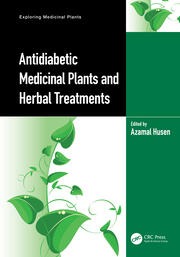
Antidiabetic medicinal plants and herbal treatments
Diabetes is a chronic condition associated with metabolic disorder. Persons suffering from diabetes have shown accelerated levels of blood sugar which often harms the heart, blood vessels, eyes, kidneys, and nerves. Over the past few decades, the prevalence of diabetes has been progressively increasing. Synthetic drugs are used to treat diabetic patients to help control the disorder, but it is shown that numerous medicinal plants and herbal drugs are widely used in several traditional systems of medicine to prevent and treat diabetes. They are reported to produce beneficial effects in combating diabetes and alleviating diabetes-related complications. These plants contain phtyonutrients and phytoconstituents demonstrating protective or disease preventive properties. In many developing countries, herbal drugs are recommended by traditional practitioners for diabetes treatment because the use of synthetic drugs is not affordable.
