



الصفحة 1
الصفحة 1

New Concepts of Antiviral Therapy
Antiviral drugs are important tools for treatment or prevention of viral infections. These drugs were first used for monotherapy, but nowadays combinations of antiviral agents are often part of a standard treatment as evidenced by e.g. HAART (highly active antiretroviral therapy). However, in almost every case of antiviral therapy, drug resistant viruses appear. In addition, the low oral bioavailability, toxicity and the number of severe side effects still pose significant problems. All of the latter issues limit the clinical usefulness and drive the need for improved antiviral strategies. These strategies include new drugs and targets, novel modes of action, vector-based treatments and even the block of defined genes by inhibiting mRNA formation (siRNA).
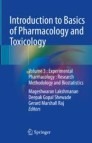
Introduction to basics of pharmacology and toxicology ; Vol.3 : Experimental pharmacology : Research methodology and biostatistics
Elaborates on the general principles of experimental pharmacology. Describes about the screening methods for the evaluation of different categories of drugs. Summarizes the various aspects of research methodology and biostatistics.

Introduction to basics of pharmacology and toxicology ; Vol.2 : Essentials of systemic pharmacology : From principles to practice
Describes the pharmacology of drugs acting on different systems in the human body Analyses various human diseases and the pharmacological agents governing them Provides a valuable reference resource for academicians, researchers, and clinical practitioners Offers a comprehensive overview of the pharmacology concerning the autonomic, central, and peripheral nervous systems. Presenting up-to-date information on chemical mediators and their significance, it highlights the therapeutic aspects of several diseases affecting the cardiovascular, renal, respiratory, gastrointestinal, endocrinal, and hematopoietic systems. The book also includes drug therapy for microbial and neoplastic diseases. It also comprises sections on immunopharmacology, dermatological, and ocular pharmacology providing valuable insights into these emerging and recent topics.

Introduction to basics of pharmacology and toxicology ; Vol.1 : General and molecular pharmacology : Principles of drug action
Illustrates the most crucial principles involved in pharmacology and allied sciences. The title begins by discussing the historical aspects of drug discovery, with up to date knowledge on Nobel Laureates in pharmacology and their significant discoveries. It then examines the general pharmacological principles - pharmacokinetics and pharmacodynamics, with in-depth information on drug transporters and interactions. In the remaining chapters, the book covers a definitive collection of topics containing essential information on the basic principles of pharmacology and how they are employed for the treatment of diseases.

Interface oral health science 2014 : Innovative research on biosis-abiosis intelligent interface
The Tohoku University Graduate School of Dentistry first introduced the concept of “Interface Oral Health Science”, designed to establish and maintain healthy oral cavities, which are home to a number of mixed systems. Included in those systems are: (1) host tissues such as teeth, mucosa, muscle and bone, (2) parasites and microorganisms cohabiting the surfaces of the oral cavity, and (3) biomaterials that are used for the rehabilitation of oral functions. In addition, (4) these systems are subject to severe and complex mechanical forces. Therefore, it is critical to promote dental studies that integrate a wide range of interdisciplinary research as medicine, agriculture, material science, engineering, and pharmacology.

Injecting Salmonella Bacteria in to the Tumor Cures Cancer
The human body is inhabited by millions of tiny living organisms like good bacteria. We acquire these bacteria during birth and the first years of life, and they live with us throughout our lives. The human microbiomes are involved in healthy growth, in protecting the body from invaders, in helping digestion, and in regulating moods, but sometimes these bacteria can also be harmful. We need to take good care of our health to avoid the development of some diseases, like salmonella for example. Salmonella infections in humans can range from self-limiting gastroenteritis typically associated with non-typhoidal Salmonella (NTS) to typhoidal fever, which can be life-threatening. Salmonellosis causes considerable morbidity and mortality in both humans and animals, and has a significant socioeconomic impact worldwide.

Infectious disease : A very short introduction
Provides a conceptual framework for thinking about disease. Ecology and evolution provide the keys to answering the ‘where’ / ‘why’ / ‘how’ / and ‘what’ questions about any particular infectious disease: where did it come from? How is it transmitted from one person to another / and why are some individuals more susceptible than others? What biochemical / ecological / and evolutionary strategies can be used to combat the disease? Is it more effective to block transmission at the population level / or to block infection at the individual level? Through a series of case studies / Benjamin Bolker and Marta L. Wayne introduce the major ideas of infectious disease in a clear and thoughtful way / emphasizing the general principles of infection / the management of outbreaks / and the evolutionary and ecological approaches that are now central to much research about infectious disease.
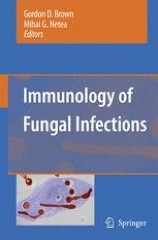
Immunology of fungal infections
Covers all aspects of the immunology of fungal infection. Beyond the basics, coverage includes recent developments in innate and adaptive immunological mechanisms involved in the host response to fungal infection.

Human microbiome : Clinical implications and therapeutic interventions
The human microbiome refers to the complete microorganisms inhabiting the human body sites including skin, ear, nose, oral cavity, the genital, gastrointestinal and respiratory tracts, and body fluids such as breast milk, saliva, and urine. It is a significant and essential organ recognized for the body and has an established involvement in the host wellbeing, in terms of nutritional requirements and immunomodulation. Talks about how alteration and imbalance in the same can have clinical implications associated with a multitude of gastrointestinal, lifestyle-associated, and neurodegenerative disorders. How the proliferation of specific groups of bacteria and their metabolic activities, as a result of intestinal dysbiosis leads to the 'leaky gut' condition thereby influences brain activity via the bidirectional gut-brain axis. It also coves the importance of microbial seeding and how it can be influenced by the mode of delivery, nutrition, and medication. This book also provides various therapeutic interventions such as the establishment of stool banks and Faecal microbiota transplantation (FMT) that have recently proved promising in the treatment of ASD, Inflammatory Bowel Disease, and Ulcerative Colitis. This book provides a deeper understanding of the development of the human gut microbiome and the factors driving its dysbiosis. This book is a valuable read for health professionals, medical students, nutritionists, and scientific research communities who are eager to update themselves with recent trends in microbiome research. It will also aid gastroenterologists and nutritionists to make well-informed choices regarding therapeutic regimes.

Host-pathogen interactions : Methods and protocols
Serves as multidisciplinary compendium of approaches and techniques employed to analyze the role of different molecules, processes, or strategies used by different guests to survive and proliferate in their associations with eukaryotic hosts. Beginning with animal-pathogen interactions, the book then continues with chapters exploring virus-host interactions, plant-microbe interactions, as well as different molecular techniques that were initially applied to non-pathogenic interactions but can be adapted to study other host-pathogen associations. Written for the highly successful Methods in Molecular Biology series, chapters include introductions to their respective topics, lists of the necessary materials and reagents, step-by-step and readily reproducible laboratory protocols, as well as tips for troubleshooting and avoiding known pitfalls.

Essential microbiology for dentistry
Supports a new generation of dental students in their understanding of microbiom and oral microbiota, basic immunology, oral and systemic infections and cross-infection control. Fully updated throughout with the latest developments in oral microbiology, microbiomics, disease prevention and control, Essential Microbiology for Dentistry will be essential for all undergraduates studying dentistry as well as anyone undertaking postgraduate training.

Color Atlas of Infective Endocarditis
This book presents the clinical manifestations – both cardiac and extracardiac, the diagnostic techniques currently used in clinical practice, the range of microorganisms that are responsible and the clinical scenarios that are often associated with initiating bacteremia. The guidelines are presented in detail, while the indications, timing and outcome of cardiac surgical intervention and prognosis are discussed extensively.

Lippincott illustrated review microbiology
Enables rapid review and assimilation of large amounts of complex information about medical microbiology. The book has the hallmark features for which Lippincott's Illustrated Reviews volumes are so popular: an outline format, 450 full-color illustrations, end-of-chapter summaries, review questions, plus an entire section of clinical case studies with full-color illustrations. This edition's medical/clinical focus has been sharpened to provide a high-yield review. Five additional case studies have been included, bringing the total to nineteen. Review questions have been reformatted to comply with USMLE Step 1 style, with clinical vignettes
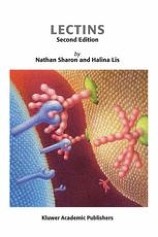
Lectins
In the intervening years well over 10,000 articles have appeared with lectins as the main subject, and more than twice as many in which they were touched upon, as well as around 20 books. In particular, great strides have been made in several areas of lectin research, about which little was known until the late 1980s. One prominent example is animal lectins, many of which have been discovered only during the last decade and the functions of several of which have been clarified, especially as to their key role in innate immunity.

Clinical microbiology made ridiculously simple
Is a brief, clear, thorough, and updated approach to clinical microbiology, brimming with mnemonics, humor, summary charts, and illustrations. Topics include Ebola, AIDS, flesh-eating bacteria, mad cow disease, hantavirus, anthrax, smallpox, and tuberculosis; the latest antibiotics; pandemic flu, including H7N9; SARS-like coronavirus; hepatitis C treatment options; HIV diagnostics and approved HIV meds; Zika virus; measles; and a new chapter on the latest emerging infectious diseases and drug-resistant bacteria. The major update to this book is the addition of a new chapter on the SARS-COV-2 virus and COVID-19 disease, which delves into the nature of the virus such as infectivity within the body, transmission between individuals, timeline of infectivity, symptoms, risk factors, therapeutics, and vaccines approved for use.
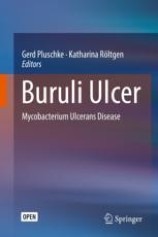
Buruli Ulcer : Mycobacterium Ulcerans disease
A major objective of this book is to summarize the current status of Buruli Ulcer (BU) research for the first time. It will identify gaps in our knowledge, stimulate research and support control of the disease by providing insight into approaches for surveillance, diagnosis, and treatment of Buruli Ulcer. Book chapters will cover the history, epidemiology diagnosis, treatment and disease burden of BU and provide insight into the microbiology, genomics, transmission and virulence of Mycobacterium ulcerans.
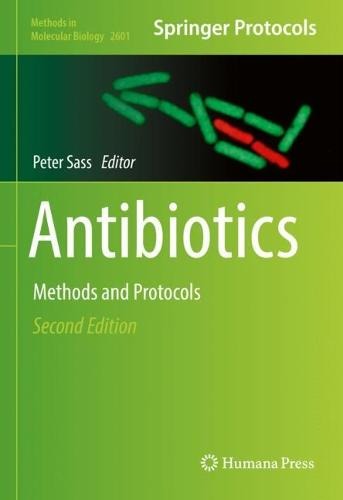
Antibiotics : Methods and protocols
Provides state-of-the-art and novel methods on antibiotic isolation and purification, identification of antimicrobial killing mechanisms, as well as methods for the analysis and detection of microbial responses and adaptation strategies. Antibiotics: Methods and Protocols, Second Edition, guides readers through updated and entirely new chapters on production and design, mode of action, and response and resistance. Written in the highly successful Methods in Molecular Biology series format, chapters include introductions to their respective topics, lists of the necessary materials and reagents, step-by-step, readily reproducible laboratory protocols, and tips on troubleshooting and avoiding known pitfalls.
Advances in Microbiology, Infectious Diseases and Public Health ; Vol.15
Focuses on current progress in the broad field of medical microbiology, and covers both basic and applied topics related to the study of microbes, their interactions with human and animals, and emerging issues relevant for public health. Original research and review articles present and discuss multidisciplinary findings and developments on various aspects of microbiology, infectious diseases, and their diagnosis, treatment and prevention.
