



الصفحة 1
الصفحة 1

Molecular Marker Systems in Plant Breeding and Crop Improvement
Successful release of new and better crop varieties increasingly requires genomics and molecular biology. This volume presents basic information on plant molecular marker techniques from marker location up to gene cloning. The text includes a description of technical approaches in genome analysis such as comparison of marker systems, positional cloning, and array techniques in 19 crop plants. A special section focuses on converting this knowledge into general and specific breeding strategies, particularly in relation to biotic stress. Theory and practice of marker assisted selection for QTL, gene pyramiding and the future of MAS are summarized and discussed for maize, wheat, and soybean. Furthermore, approaches in silviculture on the examples of Fagus, Populus, Eucalyptus, Picea and Abies are presented. The volume ends with a comprehensive review of the patents relevant for using molecular markers and marker assisted selection.

Integration of Insect-Resistant Genetically Modified Crops within IPM Programs
The goal of this book is to provide an overview on the role insect-resistant GM plants play in different crop systems worldwide. We hope that the book will contribute to a more rational debate about the role GM crops can play in IPM for food and fiber production.

Genomics-assisted crop improvement ; Vol.2 : Genomics applications in crops
Genomics research has great potential to revolutionize the discipline of plant breeding. This two-volume set provides a critical assessment of genomics tools and approaches for crop breeding. Volume 2, entitled "Genomics Applications in Crops", compiles crop-specific studies that summarize both the achievements and limitations of genomics research for crop improvement.
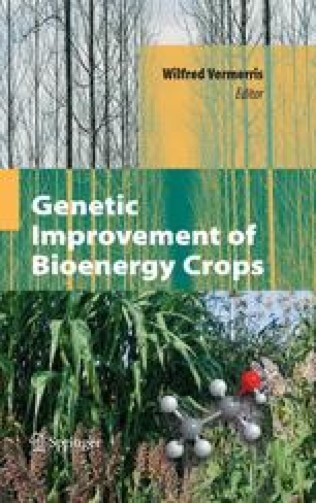
Genetic Improvement of Bioenergy Crops
This book presents an overview of the major bioenergy crops that can be used for the production of biomass and ethanol, with a focus on their genetic improvement. In order to maintain focus, biodiesel and the genetic improvement of oil crops are not covered. The available genetic resources are largely untapped and offer major opportunities to significantly enhance the contribution of bioenergy, while addressing many of the economic and ecological concerns.
Cellulose : Molecular and Structural Biology : Selected Articles on the Synthesis, Structure, and Applications of Cellulose
Cellulose: Molecular and Structural Biology is an up-to-date treatise on the most advanced and provocative research into the biosynthesis, structure, and applications of nature’s most abundant macromolecule and renewable resource, cellulose.Molecular, biochemical, and evolutionary aspects of cellulose biosynthesis are reviewed in a variety of living organisms, including cyanobacteria, eubacteria, (Acetobacter, Salmonella, and E. coli), vascular plants (including Arabidopsis, forest trees, and maize), and tunicates.
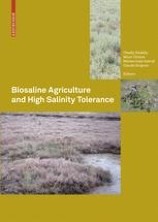
Biosaline Agriculture and High Salinity Tolerance
this book reviews the current state of knowledge in biosaline agriculture and high salinity tolerance in plants. It mainly focuses on the biotic approach to economically utilize the stress-prone areas by growing resistant plants.This volume comprises three sections: physiology and biochemistry, ecology, and molecular biology. Thus, a systematic approach has been adopted to uncover plant responses to various ecological factors at physiological and molecular levels.
