



الصفحة 1
الصفحة 1
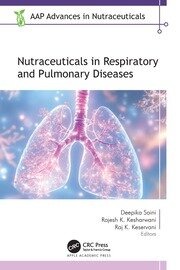
Nutraceuticals in respiratory and pulmonary diseases
Explores nutraceuticals that have been found to be effective in managing and treating respiratory and pulmonary diseases. It explains nutritional supplements that function as adjuvants for respiratory health and which may be useful targets for developing innovative nutraceutical-active respiratory products. The book also discusses the role of vitamins, minerals, and functional foods in the prevention and treatment of respiratory illnesses such as asthma, bronchitis, airway constriction, chronic obstructive pulmonary disorder (COPD), etc. It also explores the potential role of various herbs and foods in the treatment of lung illnesses through the Ayurvedic practices. The effectiveness of various natural and dietary supplements as well as plant and animal-based nutritional supplements for respiratory health are also considered.

Molecular Mechanism of Congenital Heart Disease and Pulmonary Hypertension
This book focuses on the molecular mechanism of congenital heart disease and pulmonary hypertension, offering new insights into the development of pulmonary circulation and the ductus arteriosus. It describes in detail the molecular mechanisms involved in the development and morphogenesis of the heart, lungs and ductus arteriosus, covering a range of topics such as gene functions, growth factors, transcription factors and cellular interactions, as well as stem cell engineering technologies

Modern Control Systems ; 13th ed.
Presents the structure of feedback control theory and to provide a sequence of exciting discoveries. The book demonstrates various real-world, global engineering problems while touching on evolving design strategies like green technology. Some of the themes at-hand include climate change, clean water, sustainability, waste management, emissions reduction, and minimizing energy. Throughout the text, students apply theory to the design and analysis of control systems.

Model Based Learning and Instruction in Science
This book describes new, model based teaching methods for science instruction. It presents research that describes these new methods in a very diverse group of settings: middle school biology, high school physics, and college chemistry classrooms. Mental models in these areas such as understanding the structure of the lungs or cells, molecular structures and reaction mechanisms in chemistry, or causes of current flow in electricity are notoriously difficult for many students to learn. Yet these lie at the core of conceptual understanding in these areas. The studies focus on a variety of teaching strategies such as discrepant questioning, analogies, animations, model competition, and hands on activities.

Intercultural Language Use and Language Learning
This volume attempts to address an issue that deserves further attention on the part of language acquisition researchers: that of intercultural learners in instructed language contexts. Given the fact that most speech communities where such learning takes place are at least bilingual, and the idea that English is studied for the purposes of communication among people from different cultures, the book focuses on English learners as intercultural speakers. In so doing, the volume brings together three main research areas: those of the study of English as a lingua franca, the development of communicative competence and the use and acquisition of a language beyond a second one in instructed contexts.

Innovative Internet Computing Systems ; 2nd International Workshop, IICS 2002, Kühlungsborn, Germany, June 20-22, 2002, Proceedings
Constitutes the proceedings of the second international workshop on Innovative Internet Computing Systems, held in Germany in 2002. The 20 papers cover large-scale distributed computing infrastructures, management and retrieval of web-based information, content classification and more.

Handbook of neurochemistry and molecular neurobiology : Development and Aging Changes in the Nervous System
In the animal nervous system, a very high metabolic turnover, fragile but steep ionic gradients, and morphological and structural constraints - dictated by the necessity for prompt neuronal transmission of electrical impulses and necessary plasticity - result in a highly fragile organ system. Here, we address a small sampling of major constituents of neural function at the cellular and molecular level that play important roles in development and aging, two endogenous processes that embody features of allostasis or the dynamic shifts in set points for specific homeostatic mechanisms associated with development and aging. These chapters stress the dynamic features of neuronal responses to internal (developmental) cues or the more harmful external events (injury and disease) in a modern perspective.

Glutamate Receptors in Peripheral Tissue : Excitatory Transmission Outside the CNS
The book is divided into three sections— Part I is on general concepts and concentrates on the distribution and cell-specific localiza tion of glutamate receptors, their transporters, and the pharmacology in peripheral tissues and organs. Part II emphasizes the presence and implications of these receptors in specific target tissues, organs, and systems, including liver, lungs, endocrine tissues, bone, immune system, etc. Part III focuses on glutamate receptors in plants to illustrate their presence beyond the animal kingdom.

Gases and Toxins that Cause Pulmonary Edema
Pulmonary edema is a major health problem in the lung, it is a cardinal feature of congestive heart failure. Pulmonary edema defined as excessive extravascular water in the lungs, is a common and serious clinical problem. Pulmonary edema can be life-threatening, but effective therapy is available to rescue patients from the deleterious consequences of disturbed lung fluid balance, which usually can be identified and, in many instances, corrected. So we like to talk about this common disease because of its importance and its wide spread around the world. Other important causes of pulmonary edema are human exposure to some gases and toxins, the most important of which is chlorine gas, phosgene, mustard gas, heroin, paraquat and ammonia. This research paper will discuss also the procedures that are included, as well as a wider knowledge of these toxins and gases.

Fatty acids
Fatty acid metabolism, including the de novo synthesis, uptake, oxidation, and derivation of fatty acids, plays several important roles at cellular and organ levels. Recent studies have identified characteristic changes in fatty acid metabolism in idiopathic pulmonary fibrosis (IPF) lungs, which implicates its dysregulation in the pathogenesis of this disorder. Here, we review the evidence for how fatty acid metabolism contributes to the development of pulmonary fibrosis, focusing on the profibrotic processes associated with specific types of lung cells, including epithelial cells, macrophages, and fibroblasts. We also summarize the potential therapeutics that target this metabolic pathway in treating IPF.

Dynamic Assessment : A Vygotskian Approach to Understanding and Promoting L2 Development
This book presents the first in-depth analysis of DA’s application to particular problems of L2 development. It includes detailed discussions of the core theoretical tenets as well as guidelines for implementing DA principles in L2 classrooms. The book will be of interest to language teacher educators, language testers, classroom practitioners, and students and researchers in the areas of SLA, language pedagogy, and assessment.

Dissecting the Criminal Corpse : Staging Post-Execution Punishment in Early Modern England
Those convicted of homicide were hanged on the public gallows before being dissected under the Murder Act in Georgian England. Yet, from 1752, whether criminals actually died on the hanging tree or in the dissection room remained a medical mystery in early modern society. Dissecting the Criminal Corpse takes issue with the historical cliché of corpses dangling from the hangman’s rope in crime studies. Some convicted murderers did survive execution in early modern England. Establishing medical death in the heart-lungs-brain was a physical enigma. Criminals had large bullnecks, strong willpowers, and hearty survival instincts. Extreme hypothermia often disguised coma in a prisoner hanged in the winter cold. The youngest and fittest were capable of reviving on the dissection table. Many died under the lancet. Capital legislation disguised a complex medical choreography that surgeons staged. They broke the Hippocratic Oath by executing the Dangerous Dead across England from 1752 until 1832.

Diseases of the chest, heart and vascular system 2025-2028 : Diagnostic imaging
Offers an essential overview of chest, heart and vascular system imaging. Over the last few years, there have been considerable advances in this area, driven by both clinical and technological developments. Written by leading international experts and teachers, the chapters are disease-oriented and cover all relevant imaging modalities, with a focus on magnetic resonance imaging and computed tomography. IDKD books are rewritten (not merely updated) every four years, which means they offer a comprehensive review of the state-of-the-art in imaging. The book is clearly structured and features learning objectives, abstracts, subheadings, tables and take-home points, supported by design elements to help readers navigate the text.
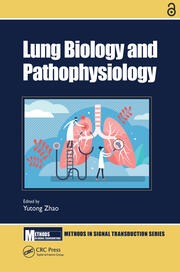
Lung biology and pathophysiology
The lungs are the organ for gas exchange between the body and the external environment. Dysfunction of upper airway epithelium and smooth muscle cells leads to pathogenesis of asthma, chronic obstructive pulmonary disease (COPD), cystic fibrosis, and other conditions, resulting in airway inflammation and narrowing. Injury to alveolar epithelium and endothelium causes influx of neutrophil and protein-rich fluid from circulation, resulting in edema and disruption of gas exchange. In addition to lung structural cells, immune cells, including alveolar macrophages and lymphocytes play critical roles in the maintenance of lung function. This book contributes to the understanding homeostasis of lung cells in the physiological and pathological conditions critical to the development of novel therapeutics.
Artificial intelligence in image-based screening, diagnostics, and clinical care of cardiopulmonary diseases
In this Special Issue, “Artificial Intelligence in Image-Based Screening, Diagnostics, and Clinical Care of Cardiopulmonary Diseases”, we have highlighted exemplary primary research studies and literature reviews focusing on novel AI/ML methods and their application in image-based screening, diagnosis, and clinical management of cardiopulmonary diseases.
Analysis file of drug-induced lung injury : expert opinion for analysis of big data
Describes the pathologic conditions of drug-induced lung injuries, monitoring strategies, and guides on how to interpret the evidence. It also dives into particular drugs that caused the disorder, such as EGFR inhibitors, anti-EGFR antibodies, mTOR inhibitors, proteasome inhibitors, immune checkpoint inhibitors, neoangiogenesis inhibitors, and other molecular targeted drugs. It outlines the analysis and interpretation of the post-marketing survey on surveillance of each drug for inducing pulmonary lesions presenting diffuse haziness. The data and analysis from this survey are valuable since a guideline is yet to be established due to limited clinical evidence and cases. As new drugs are developed, establishing treatment and event management is crucial.
