



الصفحة 1
الصفحة 1
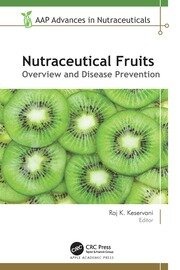
Nutraceutical fruits : Overview and disease prevention
While nutritional supplements have enormous advantages, food ingredients such as fruits and vegetables can play a significant preventative and therapeutic role in our daily lives. Fruits are found to have anti-inflammatory, antibacterial, antifungal, and chemopreventive properties that can boost health, as well as prevent diseases. This new book explores the use of fruits as nutraceuticals for alternative treatment, as well as for disease prevention. It looks at how nutraceutical fruits can be used to prevent and manage a range of diseases that include mental illness, cancer, respiratory and lung diseases, cardiovascular diseases, liver disease, inflammatory bowel diseases, sleep disorders, etc. The book also looks at the roles of nutraceutical fruits in the metabolic syndrome and provides information regarding the safety and toxicity of neutraceutical fruits.

Multidetector-Row CT of the Thorax
With the advent of multidetector-row technology, excitement has returned to computed tomography. Not only can we now image faster and with better resolution than ever before; more importantly, the development of sophisticated image acquisition techniques has enabled us to venture into areas previously considered to be beyond the scope of CT imaging. The knowledge, experience, and vision of a host of renowned international experts in cutting-edge thoracic applications of multidetector-row CT are condensed within this book. The result is a critical, comprehensive review of the novel opportunities, but also the new challenges, brought about by the development of ever-faster CT acquisition techniques.

Imaging of occupational and environmental disorders of the chest
This book provides an up-to-date and comprehensive approach to modern imaging of environmental and occupational diseases of the chest. The first part of the book addresses the basic knowledge required to understand imaging in this context, while the second focuses on the imaging results achieved in a variety of specific disorders. There is particular emphasis on the role of thin-section computed tomography since this technique facilitates the detection of early subclinical abnormalities.

Gases and Toxins that Cause Pulmonary Edema
Pulmonary edema is a major health problem in the lung, it is a cardinal feature of congestive heart failure. Pulmonary edema defined as excessive extravascular water in the lungs, is a common and serious clinical problem. Pulmonary edema can be life-threatening, but effective therapy is available to rescue patients from the deleterious consequences of disturbed lung fluid balance, which usually can be identified and, in many instances, corrected. So we like to talk about this common disease because of its importance and its wide spread around the world. Other important causes of pulmonary edema are human exposure to some gases and toxins, the most important of which is chlorine gas, phosgene, mustard gas, heroin, paraquat and ammonia. This research paper will discuss also the procedures that are included, as well as a wider knowledge of these toxins and gases.

Diffuse Lung Diseases : Clinical Features, Pathology, HRCT
This book aims to help the reader who is confused by the multiplicity of diseases with similar symptoms in different patients. Consequently, the chapters are noticeably sign-oriented rather than disease-oriented, each dealing with one of the four cardinal modalities

Computed Tomography of the Lung : A Pattern Approach
It appearance and distribution patterns of lung diseases are described and explained, and are used as the basis for discussion of differential diagnosis. In the first part of the book, the four main appearance patterns of lung disease - nodular, linear, and increased and decreased lung attenuation – are described with the help of many colour drawings and high-quality illustrations. This approach will enable the reader to recognise and understand these patterns and to interpret them in order to reach a diagnosis. In the second part, many typical cases are shown which will assist the reader in applying what was learned in the first part.

Community-Acquired Pneumonia : The reality of Pneumonia and the most responsible Pathogens with Diagnosis, Treatment, and Prevention
This labor will discuss community acquired pneumonia as a disease associated with death and as a problem in order to solve it. As a disease I showed a definition of it, how it occurs, the sign and symptoms, risk factor, epidemiology, mortality, causes, and pneumonia in children. And as a problem I present how the world deals with this disease and suggest how we should deal with it in our country abilities, By mention satisfactory and studies associated with diagnosis, treatment, and prevention of CAP then discuss it all one by one in way that produce good quality according to our facilities.

Analysis file of drug-induced lung injury : expert opinion for analysis of big data
Describes the pathologic conditions of drug-induced lung injuries, monitoring strategies, and guides on how to interpret the evidence. It also dives into particular drugs that caused the disorder, such as EGFR inhibitors, anti-EGFR antibodies, mTOR inhibitors, proteasome inhibitors, immune checkpoint inhibitors, neoangiogenesis inhibitors, and other molecular targeted drugs. It outlines the analysis and interpretation of the post-marketing survey on surveillance of each drug for inducing pulmonary lesions presenting diffuse haziness. The data and analysis from this survey are valuable since a guideline is yet to be established due to limited clinical evidence and cases. As new drugs are developed, establishing treatment and event management is crucial.
