



الصفحة 1
الصفحة 1

Ocular Traumatology
All aspects of ophthalmic trauma from the lid to the optic nerve of both mechanical and nonmechanical trauma are covered in this unique book. The focus is on practical issues and incorporates cutting-edge approaches, such as temporary keratosprosthesis, artificial iris diaphragm, and prophylactic retinectomy. This book explains and answers not simply the “when”, the “what”, and the “how”, but also the “why” questions. The information is based on epidemiologic and clinical data from evaluation to management.

Neuroprotection : Method and protocols
Contains cutting-edge molecular biology methods on neuroprotective mechanisms and specific preclinical models of the CNS injury, iseases and planning translation. Chapters guide readers through neuropathology, neuroprotection, Alzheimer’s disease, amyotrophic lateral sclerosis, ALS, Huntington’s disease , multiple sclerosis, Parkinson’s disease, spinal cord injury, traumatic brain injury, and ischemic brain injury. Written in the highly successful Methods in Molecular Biology series format, chapters include introductions to their respective topics, lists of the necessary materials and reagents, step-by-step, readily reproducible laboratory protocols, and tips on troubleshooting and avoiding known pitfalls.

Minimally Invasive Neurosurgery and Neurotraumatology
Neurotraumatology patients present an enormous challenge to society. Neuros- gical management of brain and spinal cord injury has been a frustrating area, as s- gical methods, especially in moderate and severe injuries, have been limited to control of brain and spinal compression, control of intracranial pressure with its expected effect on cerebral blood flow, and structural repair of the supporting structures (skull, spine, brain and spinal cord coverings). Achieving the best outcome for the neu- traumatology patient, however, requires much more than that.

Mechanisms of Sepsis-Induced Organ Dysfunction and Recovery
There have been tremendous advances in understanding the cellular mechanisms involved in sepsis and contributing to the development of multiple organ dysfunction and mortality in this setting. The chapters in this book provide up-to-date insights into important pathways that are initiated by sepsis.

Mechanical Ventilation
This book represents a state-of-the-art review by the leading experts in this field and covers a number of important topics including epidemiology, underlying physiological concepts, and approaches to monitoring. The pros and cons of various modes of ventilation are reviewed, as are novel forms of ventilation that may play a role in the future management of patients with respiratory failure. The importance of patient-ventilator synchrony and ventilator-induced lung injury are reviewed, with a focus on recent clinical trials and the challenges of implementing the results into clinical practice.

Intracranial Pressure and Brain Monitoring XII
88 short papers originating from the 12th International Symposium on Intracranial Pressure and Brain Monitoring held in August 2004 in Hong Kong present experimental as well as clinical research data on invasive and non-invasive intracranial pressure and brain biochemistry monitoring. The papers have undergone a peer-reviewing and are organized in nine sections: ICP management in head injury, neurochemical monitoring, intracranial hypertension, neuroimaging, hydrocephalus, clinical trails, experimental studies, brain compliance and biophysics.
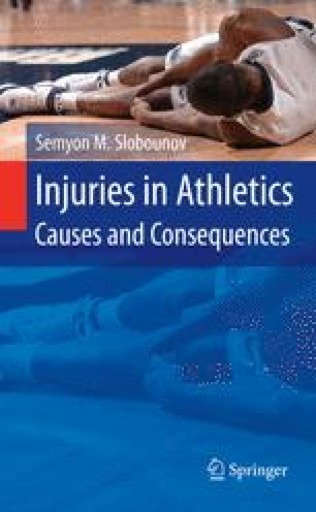
Injuries in Athletics : Causes and Consequences
This book focuses on both applied and conceptual issues regarding the classification of injuries, common coaches’ errors leading to injury, coaches and athletes’ viewpoints on injury, the development of psychological trauma in athletes, traumatic brain injuries and basic principles of rehabilitation. It is organized into five parts: - Foundations of injuries in athletics - Coaches and Athletes’ perspectives of injury - Psychological traumas in athletes - Concussion in athletics - Injury rehabilitation This reference book accumulates the latest developments in the science of athletes' training, from "injury-free" perspectives along with psychological analyses, evaluation, and management of sport-related injuries. It is an ideal resource for coaches, clinical practitioners, researchers and students interested in kinesiology, sport psychology and athletic training.

Inflammation and natural products ; 1st ed.
Brings together research in the area of the natural products and their anti-inflammatory action in medical, nutraceutical and food products, addressing specific chronic inflammatory diseases like cancer and the mechanistic aspects of the mode of action of some key natural products. Inflammation is a complicated process, driven by infection or injury or genetic changes, which results in triggering signalling cascades, activation of transcription factors, gene expression, increased levels of inflammatory enzymes, and release of various oxidants and pro-inflammatory molecules in inflammatory cells. Excessive oxidants and inflammatory mediators have a harmful effect on normal tissue, including toxicity, loss of barrier function, abnormal cell proliferation, inhibiting normal function of tissues and organs and finally leading to systemic disorders. The emerging development of natural product formulations utilizing the unique anti-inflammatory compounds such as polyphenols, polysaccharides, terpenes, fatty acids, proteins and several other bioactive components has shown notable successes.

Immunogenetics of Autoimmune Disease
Utoimmunity is the downstream outcome of a rather extensive and coordinated series of events that include loss of self-tolerance, peripheral lymphocyte Aactivation, disruption of the blood-systems barriers, cellular infiltration into the target organs and local inflammation. Cytokines, adhesion molecules, growth factors, antibodies, and other molecules induce and regulate critical cell functions that perpetuate inflammation, leading to tissue injury and clinical phenotype. The nature and intensity of this response as well as the physiological ability to restore homeostasis are to a large extent conditioned by the unique amino acid sequences that define allelic variants on each of the numerous participating mol ecules. Therefore, the coding genes in their germline configuration play a primary role in determining who is at risk for developing such disorders, how the disease progresses, and how someone responds to therapy. Although genetic components in these diseases are clearly present, the lack of obvious and homogeneous modes of transmission has slowed progress by prevent ing the full exploitation of classical genetic epidemiologic techniques. Furthermore, autoimmune diseases are characterized by modest disease risk heritability and m- tifaceted interactions with environmental influences. Yet, several recent discoveries have dramatically changed our ability to examine genetic variation as it relates to human disease. In addition to the development of large-scale laboratory methods and tools to efficiently recognize and catalog DNA diversity, over the past few years there has been real progress in the application of new analytical and data-manage ment approaches

Imaging of Orthopedic Sports Injuries ; 2nd ed.
This book, now in a revised and updated second edition, provides a review of imaging abnormalities in orthopedic sports injuries. The first part of the book includes background information on relevant basic science and general imaging principles in sports traumatology, while the second part discusses the topography of various sports injuries. Each chapter highlights the merits of different imaging techniques, focusing on a specific clinical problem. The third part then examines natural history and monitoring. Several new chapters have been added, including a chapter on postoperative joint imaging in the sports patient as well as image-guided interventions in sports injuries.

Imaging of Orthopedic Sports Injuries ; 1st ed.
This volume provides an updated review of imaging abnormalities in orthopedic sports injuries. The first part of the book contains background information on relevant basic science and general imaging principles in sports traumatology. The second part comprises a topographic discussion of sports injuries. Each chapter highlights the merit of different imaging techniques, focused on a specific clinical problem. In the third part, natural history, monitoring and follow-up by imaging are discussed. This well-illustrated book will be of value for musculoskeletal radiologists, orthopedic surgeons, sports physicians and everyone else involved in sports medicine.

Homocysteine
Homocysteine is a non-proteinogenic α-amino acid. It is a homologue of the amino acid cysteine, differing by an additional methylene bridge (-CH2-). It is biosynthesized from methionine by the removal of its terminal methyl group. In the body, Homocysteine (HCY) can be recycled into methionine or converted into cysteine with the aid of certain B-vitamins. A high level of Homocysteine in the blood (hyperhomocysteinemia) makes a person more prone to endothelial cell injury, which leads to inflammation in the blood vessels, which in turn may lead to atherogenesis, which can result in ischemic injury. Therefore, hyperhomocysteinemia is a possible risk factor for coronary artery disease (CAD). Coronary artery disease occurs when an atherosclerotic plaque blocks blood flow to the coronary arteries, which supply the heart with oxygenated blood.

Handbook on Hyperbaric Medicine
It is now ten years since the first Handbook on Hyperbaric Medicine was published. During this time there have been many major advances: our understanding of the actions of hyperbaric oxygenation, and the pathophysiological processes it engages, have been elucidated by several studies; clinical practice is becoming more scientific with the application of evidence-based medicine (EBM) principles and the appearance of a number of randomised clinical trials; various consensus-derived organisational and operational recommendations and guidelines have become normative and are now widely accepted.

Handbook of neurochemistry and molecular neurobiology : Development and Aging Changes in the Nervous System
In the animal nervous system, a very high metabolic turnover, fragile but steep ionic gradients, and morphological and structural constraints - dictated by the necessity for prompt neuronal transmission of electrical impulses and necessary plasticity - result in a highly fragile organ system. Here, we address a small sampling of major constituents of neural function at the cellular and molecular level that play important roles in development and aging, two endogenous processes that embody features of allostasis or the dynamic shifts in set points for specific homeostatic mechanisms associated with development and aging. These chapters stress the dynamic features of neuronal responses to internal (developmental) cues or the more harmful external events (injury and disease) in a modern perspective.

Handbook of neurochemistry and molecular neurobiology : Acute Ischemic injury and repair in the nervous system
It is our belief that this volume of the Handbook of Neurochemistry and Molecular Neurobiology provides an excellent review of the tremendous advances of the past decades in the neurochemical and molecular biological aspects of cerebral ischemia. It is hoped that these advances will provide an impetus for basic scientists and clinicians to further their translational research and to promote the insights for development of therapeutic interventions for stroke.

Handbook of injury and violence prevention
This review and the Handbook are for those who care, both for themselves and for other people.The Handbook of Injury and Violence Prevention is a valuable contribution to the literature on public health and prevention. The volume displays some of the clear successes we have experienced in applying the public health notion of prevention while charting a course forward in terms of additional work that can reduce human suffering.

Handbook of Homework Assignments in Psychotherapy : Research, Practice, and Prevention
The Handbook of Homework in Psychotherapy is the first resource for the practicing clinician that addresses the role of homework across major therapeutic paradigms and complex clinical problems. It opens with a series of practice-orientated chapters on the role of homework in different psychotherapies (acceptance and commitment, client-centered, constructivist, cognitive-behavioral, experiential, family, interpersonal, psychodynamic) written by an international team of expert psychotherapy practitioner-researchers. Then, experienced practitioners present strategies, examples, and formulated assignments for use with different populations (couples, families, older adults) and complex problems (chronic depression, chronic pain, eating disorders, obsessions and compulsions, personality disorders, psychosis, sexual dysfunction, substance abuse, traumatic brain injury). The Handbook closes with three chapters by leading psychotherapy theoreticians, researchers, and practitioners that critique the available research evidence for homework, integrate the recommendations for using homework in practice, and also provide directions for homework's role in prevention.

Genetic Engineering of Mesenchymal Stem Cells
MSC (mesenchymal stem cells) have been reported to initiate revascularization after injury, to facilitate engraftment of blood-forming stem cells, and to reduce the incidence of graft-vs. host disease through their immune-suppressive qualities. Finally, bone marrow-derived MSC have been reported to home to areas of solid tumor revascularization, and thus may be used as delivery vehicles to target ablative agents into dividing tumor cells. Recently the characteristics of human MSC from adipose (fat) tissue have also been identified. The possibility of repairing tissues, speeding stem cell engraftment, and targeting solid tumors for specific killing, using MSC easily harvested from bone marrow, or better yet, from unwanted fat tissue, holds broad appeal, and is an intriguing possibility that could have dramatic effect on health care. This book has information on how to isolate, grow, and characterize MSC from marrow and fat, and gives important insight into how these cells may be used for gene delivery and cellular therapies in the future. Updates on emerging clinical trials are given.

Future approaches for safe and effective pain management
Pain is defined as an unpleasant sensory and emotional experience that is associated with actual or potential tissue damage or described in terms of such damage. It is subjective and considered an important physiological mechanism by which humans prevent themselves from developing tissue injury. However, pain patients do not respond to treatment in the same way, which makes it challenging to issue a consistent treatment for all pain conditions. Excessive pain can markedly increase psychological health problems and decrease health‐related quality of life; therefore, pain should be managed appropriately by analgesics. Analgesics act in various ways on the peripheral and central pain pathways and are regarded as one of the most valuable but equally dangerous groups of medications. Individual variability in pain perception and differences in the efficacy of analgesic drugs are complex phenomena and are partly genetically predetermined. Pain severities as well as responses to analgesics, can also be very variable among sufferer.

Fundamentals of biomechanics
The book presents a comprehensive review of the major concepts of biomechanics and summarizes them in nine principles of biomechanics. Throughout the text are numerous examples of applying these principles to the work of kinesiology professionals. Specific case studies are presented in four application chapters: physical education, coaching, strength and conditioning, and sports medicine.
