



الصفحة 1
الصفحة 1

Novel Developments for Sustainable Hydropower
This book presents (selected) new and innovative developments for sustainable and fish-friendly hydropower. It offers unique insights into the challenges, practices and policies of hydropower developments across 8 European countries, providing examples from on-site studies and European-wide analyses. The case studies throughout the book are practical “real-world” examples, which are intended to serve as inspiration for anyone who would like to know more about how solutions for more sustainable hydropower production can be designed and implemented. Hydropower is an important renewable energy source, which, however, can also impact aquatic ecosystems, fish populations and hydro-morphology. EU and national water, environmental and energy legislation strive for sustainable energy and water resource management as well as the protection of important habitats and species. These have an effect on the requirements and decision making processes for hydropower planning, commissioning and operation. With a high variety of measures existing and site-specific conditions as well as national and EU level legal requirements to consider, it can be difficult to determine, what issues to address and which measures to implement.

Hydropower Economics
HYDROPOWER ECONOMICS examines sustainable alternate energy sources beginning with modeling hydropower and extending the model to include thermal power and wind power. The book will use various econometric measures, equilibrium metrics, OR methods, and DEA/productivity analyses to analyze and model the optimal use of these alternate energy sources. Because these problems are dynamic in nature, dynamic methods are used to model the problems. The book derives results on the allocation of the amounts of alternate sources of energy (water, thermal, and wind) required to produce electricity at acceptable levels over time. Graphic illustrations of the analytical and mathematical modeling used to reach research conclusions are used throughout the book.
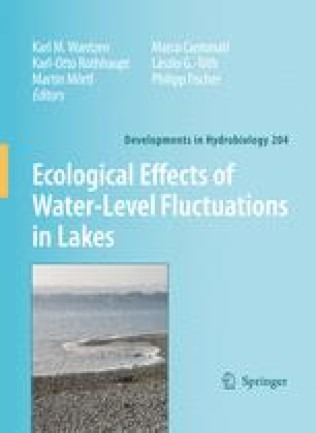
Ecological Effects of Water-Level Fluctuations in Lakes
It presents selected papers on the ecological effects of WLF in lakes, resulting from a workshop at the University of Konstanz in winter 2005. Issues addressed here include the extent of WLF, and analyses of their effects on different groups of biota from microorganisms to vertebrates. Applied issues include recommendations for the hydrological management of regulated lakes to reduce negative impacts, and a conceptual framework is delivered by an extension of the floodpulse concept for lakes. Current impacts on water use, including increasing demands on drinking and irrigation water, hydropower etc., and climate change effects on WLF make this book an essential resource for aquatic ecologists, engineers, and decision-makers dealing with the management of lake ecosystems and their catchments.
Climate risk in Africa : Adaptation and resilience
This book highlights the complexities around making adaptation decisions and building resilience in the face of climate risk. It is based on experiences in sub-Saharan Africa through the Future Climate For Africa (FCFA) applied research programme. It begins by dealing with underlying principles and structures designed to facilitate effective engagement about climate risk, including the robustness of information and the construction of knowledge through co-production
Biofuels, Solar and Wind as Renewable Energy Systems : Benefits and Risks
With shortages of fossil energy, especially oil and natural gas, and heavy biomass energy use occurring in both developed and developing countries, a major focus has developed worldwide on renewable energy systems. Renewable energy systems include wind power, biomass, photovoltaics, hydropower, solar thermal, thermal ponds, and biogas. Currently, a heavy focus is on biofuels made from crops, such as corn, sugarcane, and soybeans, for use as renewable energy sources. Wood and crop residues also are being used as fuel. Though it may seem beneficial to use renewable plant materials for biofuel, the use of crop residues and other biomass for biofuels raises many concerns about major environmental problems, including food shortages and serious destruction of vital soil resources.

Advances in Renewable Energy and Sustainable Environment : Select Proceedings of NCRESE 2019
comprises the select peer-reviewed proceedings of the National Conference on Renewable Energy and Sustainable Environment (NCRESE) 2019. brings together the latest developments in harvesting, storing and optimizing alternate and renewable energy resources. It covers latest developments in green energy technologies as well as smart grids, and their applications towards a sustainable environment. can be useful for beginners, academicians, entrepreneurs, and professionals interested in renewable energy technologies and sustainable environment practices.
