



الصفحة 1
الصفحة 1

Obstetric life support manual
A comprehensive review in normal and abnormal pregnancy physiology, the most common etiologies of maternal medical emergencies, recognition of maternal deterioration and pending cardiopulmonary arrest, modifications to cardiopulmonary resuscitation in pregnant and postpartum patients, special procedures that can assist in diagnosing and treating maternal medical emergencies tailored to the setting (e.g., point-of-care ultrasound, resuscitative cesarean delivery, extracorporeal cardiopulmonary resuscitation), treatment of trauma/stroke in pregnancy, and postpartum maternal medical emergencies. There are streamlined algorithms and cognitive aids designed to improve a team’s ability to successfully implement techniques unique to treating maternal medical emergencies and car..

Nutraceuticals in cardiac health management
Cardiovascular diseases (CVDs) constitute the major cause of death worldwide, claiming nearly 18 million lives each year. Multiple foods and nutraceuticals have been proven to reduce the risk of cardiovascular disease. This new book offers an informative update on the most recent scientific evidence addressing the use of nutraceuticals in the prevention and management of heart disease. It summarizes the functional foods that are involved in preventing the risk of CVDs, the mechanisms of the bioactive components that lower the risk of chronic illnesses, as well as the dietary patterns that are involved in the prevention of CVDs. It also covers specific nutraceuticals, including probiotics, dietary fibers, garlic, green tea, vitamins, tomatoes and other lycopene-rich fruits and vegetables, dietary supplements, bee products, and more. In addition, it focuses on detailing the endothelial effects of marine- and plant-derived omega-3 fatty acids and marine-derived natural flavonoids in hypertension and CVDs.

Mitral valve diseases
The heart is a pump consisting of 4 chambers:2 atria and 2 ventricles and 4 valves one of them is mitral valve which is located betweenthe left atrium and the left ventricle and prevents the backward flow of blood.Ithas several unique features: Mitral annulus, two leaflets, the chordae tendineaeand papillary muscles. The mitral valve may become stenotic or may regurgitate. Regurgitation(or leakage of the valve): When the valve (s) do not close completely. Stenosis (or narrowing of the valve): When the valve (s) opening becomes narrowed. Mitral stenosis is categorized as mild, moderate or severe it is typically causedby (Rheumatic fever, A congenital heart, Calcium deposits .....) and it caused severalsymptoms such as: dyspnea, hemoptysis, fatigue, Chest pain and others Where as the Signs and symptoms of mitral valve regurgitation, can include: Abnormal heart sound, Shortness of breath, Heart palpitations, Fatigue, edma, Coughing.

Heart block
Cardiac muscle (also called heart muscle or myocardium) is one of three types of vertebrate muscle tissue, with the other two being skeletal muscle and smooth muscle. It is involuntary, striated muscle that constitutes the main tissue of the wall of the heart. The cardiac muscle (myocardium) forms a thick middle layer between the outer layer of the heart wall (the pericardium) and the inner layer (the endocardium), with blood supplied via the coronary circulation. It is composed of individual cardiac muscle cells joined together by intercalated discs, and encased by collagen fibers and other substances that form the extracellular matrix.

Etiology and Morphogenesis of Congenital Heart Disease : From Gene Function and Cellular Interaction to Morphology
This volume focuses on the etiology and morphogenesis of congenital heart diseases. It reviews in detail the early development and differentiation of the heart, and later morphologic events of the cardiovascular system, covering a wide range of topics such as gene functions, growth factors, transcription factors and cellular interactions that are implicated in cardiac morphogenesis and congenital heart disease. This book also presents recent advances in stem cell and cell sheet tissue engineering technologies which have the potential to provide novel in vitro disease models and to generate regenerative paradigms for cardiac repair and regeneration
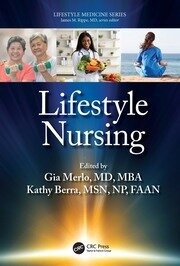
Lifestyle nursing
Examines the concepts of lifestyle medicine and nursing practice, it is specifically designed to help nurses introduce the concepts of lifestyle medicine to readers while also encouraging them to focus on their own wellness. This book features nutritional guidelines and supplemental materials operationalizing this basic nutrition knowledge into personal and patient wellness. It addresses evidence-based findings of chronic diseases including heart diseases and stroke, type 2 diabetes, and cancers, which can often be prevented by lifestyle interventions.
Cardiac drug therapy
Cardiac Drug Therapy, 7th ed., addresses the pharmacology and therapeutic application of drugs used to treat heart diseases and hypertension. Additions and updates to the sixth edition include six new chapters on current controversies in cardiac drug therapy such as the beta blocker issue many cardiologists are presently grappling with. The book provides practical advice on how to manage cardiac diseases and addresses the choice of one particular cardiac agent vs. another. In addition to providing core knowledge in cardiovascular therapeutics, the text assists in resolving some of the issues surrounding cardiac drugs. Cardiac Drug Therapy provides practical information including properties, dosage, side effects, potential salutary benefits, and drawbacks on virtually all commercially available cardiac drugs.
Brain and Heart Dynamics
Despite the increasing awareness that neural mechanisms are the primary cause of cardiac disease and its progression, therapy continues to focus on end-organ protection and does not approach the neural core of the problem. Growing public health problems such as heart failure are still treated with autonomic drugs that are 30-40 years old and simply act on cardiac receptors. However, it has now been shown that the progression of ischemic heart disease to heart failure is mainly due to abnormal central responses to incipient cardiac disease, with neural activation the primary cause rather than the consequence of cardiac remodeling.

Aortic valve disease
Your heart has four valves to keep blood flowing in the direction. These valves include the mitral valve, tricuspid valve, pulmonary valve and aortic valve. Each valve has flaps (epiphysis or leaflets) that opens and close once during each heartbeat sometimes the valve do not open or close completely; this interferes with the flow of blood inside the heart, and may lead to impaired ability to pump blood to your body. In aortic valve disease, the aortic valve between the lower left chamber (left ventricle) and the primary artery that delivers blood from the heart to the body (the aorta) does not work completely. It may not close completely; This causes blood to leak back into the left ventricle (regurgitation), or possibly narrowing of the valve (stenosis).

Anticoagulants and coronary artery disease
Blood thinners are medicines that help blood flow smoothly through your veins and arteries. There are two. The first is called anticoagulants (Warfarin, Heparin, Enoxaparin) and The second class of blood thinners is called antiplatelet (Aspirin, Ticagrelor , Clopidogrel). . Coronary arteries supply blood to the heart muscle. Coronary artery disorder or disease can have serious implications by reducing the flow of oxygen and nutrients to the heart muscle. This can lead to a heart attack and possibly death. Atherosclerosis. Medications to reduce the risk of blood clots, such as anticoagulants (including aspirin) and antiplatelet. , in particular aspirin, are effective in preventing platelet activation and thus thrombus formation and Clopidogrel is an inhibitor of platelet activation.
