



الصفحة 1
الصفحة 1

Minimally invasive periodontal therapy : Clinical techniques and visualization technology
The long-term success of periodontal therapy is dependent on proper diagnosis and removal of subgingival tooth-borne accretions in the form of calculus and bacteria. From a clinical perspective, better visualization during the diagnostic and therapeutic phases has been shown to yield better results compared to traditional approaches.Minimally Invasive Periodontal Therapy evaluates the advantages of using minimal invasive techniques, the technologies available for enhancing visualization during minimally invasive therapy, and step-by-step illustrates the clinical use of each technique.

Implant Aesthetics : Keys to Diagnosis and Treatment
Provides clinicians with detailed guidelines on the nature of the ideal anterior dental implant and, more importantly, how the desired aesthetic outcome is to be achieved. It reflects the incredible paradigm shift that has taken place within implant dentistry during the past 5 years, with recognition of the importance of a ‘crown down’ approach to diagnosis, planning, and treatment, especially in the anterior zone.

Guide to periodontal treatment solutions for general dentistry
A concise textbook on periodontics geared towards dental students, residents, and early career general dentists. Each chapter includes cases and evidence-based practice exercises that illustrate key concepts and enable application of these concepts through independent study or non-lecture based teaching methods. This book is arranged in a logical sequence mirroring the manner in which patients present with periodontal disease, from the initial exam to state-of-the art treatments. The opening chapters cover gingivitis and disease basics, data collection, epidemiology, classification systems, and diagnosis. Subsequent chapters encompass a wide array of nonsurgical and surgical approaches for treating issues such as gum pockets, furcation, gingival recession, mucogingival defects, and tooth mobility, as well as when to refer patients. The latest methods for controlling gingival inflammation are discussed, including scaling and root planing, systemic and local antimicrobial therapy, antiseptics, lasers, and photodynamic therapy

Global Diagnosis : A New Vision of Dental Diagnosis and Treatment Planning
The emphasis in the Global Diagnosis system is to determine the etiology of the aberrant gingival positions prior to treatment. The power of the system is that the diagnosis leads to the treatment plan. This book explains the Global Diagnosis system and shows how to diagnose and treat patients based on five CORE questions. Subsequent chapters outline treatment options.

Gingival Recession Management
Designed to serve as a clear and concise clinical manual that covers all aspects of the current management of gingival recession, with a particular focus on surgical techniques with the adjunctive use of autogenous tissues or soft tissue substitutes for recession coverage.

Fixed prosthodontics in dental practice
The practice of fixed prosthodontics has undergone many changes in recent times with significant developments in dental materials and principles of adhesion. However, tooth preparation is still guided by the need to preserve tooth tissue, generate space for restorative material and reshape the tooth to a cylindrical form with a defined finish line. This book carries these principles as a common theme and delineates the stages of prosthesis construction.

Drug-Induced Oral Complications
Provides detailed information on the prevalence and manifestations of the most important oral complications associated with different drug treatments, focusing especially on recently developed therapies. Among the diverse adverse drug reactions covered are gingival overgrowth, ulcerations, lichenoid reactions, pigmentation, and bullous reactions. The potential direct toxic effects on bone of drugs that prevent bone mass loss, such as bisphosphonates and denosumab, are fully examined, as is the occurrence of spontaneous oral bleeding in patients receiving antithrombotic therapies. Further chapters focus on drug-induced taste disorders and salivary gland disturbances, including xerostomia, swelling, and hypersalivation. The enhanced risk of oral infections when using chemotherapy and biotherapy is addressed, and the closing chapter examines drug-related perioral and facial complications. This book is a collaborative work that brings together clinicians, surgeons, and specialists in drug safety surveillance.

Dental pathology : A practical introduction ; 1st ed.
This atlas and instructional text is intended for use by pathologists, dental specialists, and interested students. These are admirable goals. It is a good introduction as the title implies . The author is an outstanding, well established expert in this field.The diagrams and photographs are truly outstanding. The gross photographs of tissue specimens are the best I have seen in any book. This stands alone in the field as a replacement for extinct texts

Dental and oral pathology
Provides easy access to relevant information through A-Z entries. Presents the work of experts in the field. Delivers comprehensive information on the field of dental and oral pathology. covers the complete field of oral and maxillofacial pathology – from Addisons disease to Zimmerman-Laband syndrome. The alphabetically arranged entries, each of which provides a detailed description of a specific pathological disease pattern, allow readers to quickly and easily find the information they need.

Deep margin elevation
Deep margin elevation (DME) is a minimally invasive and successful procedure for deep subgingival caries. and evidence among practitioners. This review aims to assess the feasibility of DME, current clinical concepts, techniques, and materials for DME, and compare it with traditional techniques for cervical margin relocation while also considering various clinical parameters.

Crown lengthening by diode laser
Crown lengthening is a surgical technique aimed at increasing the amount of supragingival tooth structure for restorative or aesthetic purposes. it involves the removal of hard and soft periodontal tissue to expose more tooth structure above the gum line , allowing for longer clinical crowns and maintaining the biologic width .Various methods such as scalpel ,electrosurgery and laser can be employed for crown lengthening , with lasers offering several advantages over traditional techniques , including precision , minimal bleeding ,sterilization ,reduced swelling and scarring , coagulation ,vaporization ,and ,minimal postoperative pain .

Color in Dentistry : A Clinical Guide to Predictable Esthetics
Provides step-by-step protocols to help dental professionals accurately match, communicate, and reproduce the color of teeth and gingiva. These authors demonstrate how to implement color science in simple problem-solving instructions for predictable esthetics in both clinical protocols and laboratory techniques. An extensive presentation of clinical cases is included to illustrate the use of recommended protocols in general practice. An outstanding contribution to the practice and theory of color management in contemporary dentistry
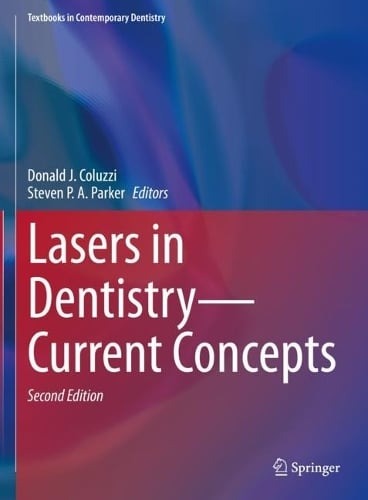
Lasers in dentistry—current concepts ; 2nd ed.
Provides information on the basic science and tissue interactions of dental lasers and documents the principal current clinical uses of lasers in every dental discipline. The applications of lasers in restorative dentistry, endodontics, dental implantology, pediatric dentistry, periodontal therapy, and soft tissue surgery are clearly described and illustrated. Information is also provided on laser-assisted multi-tissue management, covering procedures such as crown lengthening, gingival troughing, gingival recontouring, and depigmentation.

Laser in restorative dentistry
The application of lasers in restorative dentistry has revolutionized dental treatments, offering enhanced precision, reduced discomfort, and improved clinical outcomes. Lasers have become a valuable tool in procedures such as cavity preparation, caries removal, tooth whitening, and composite resin curing. Their ability to selectively target diseased tissue while preserving healthy structures minimizes trauma and promotes faster healing. Moreover, lasers offer a less invasive alternative to traditional mechanical methods, often eliminating the need for anesthesia. This technology's versatility allows for its use in both hard and soft tissue treatments, including gingival recontouring and managing peri-implant diseases. As laser technology continues to advance, its integration into restorative dental practices offers significant potential for improved patient care, greater procedural efficiency, and long-term durability of restorations. Future developments in laser applications are expected to expand their role, making them an indispensable asset in modern dentistry.

Comparison of scalpel and lasers technique in the treatment of gingival melanin pigmentation
Gingival hyperpigmentation is a common esthetical concern in patients with gummy smile or excessive gingival display. Laser ablation has been recognized recently as the most effective, pleasant and reliable technique. It has the advantage of easy handling, short treatment time, hemostasis, decontamination, and sterilization effect. The objective of this study is to evaluate and compare scalpel and lasers techniques for gingival depigmentation and to evaluate their effect on re pigmentation.
CDT 2023 : Current Dental Terminology
includes 22 new codes, 14 revisions, and 2 deleted codes across 8 categories. This edition also includes seven new codes adopted in March 2022 related to COVID-19 vaccine administration. Other highlights in CDT 2023 include new and revised codes for: Intraoral tomosynthesis and 3D surface scans; HPV vaccine administration; Guided tissue regeneration; Intraoral radiograph images; Gingival flap procedures; Full mouth debridement; Gingival irrigation.
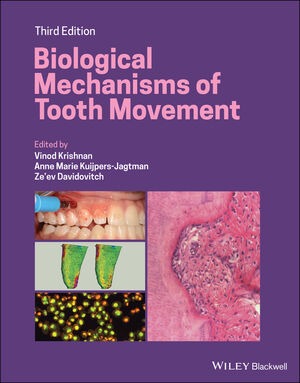
Biological mechanisms of tooth movement ; 3rd ed.
Cover subjects such as: The development of biological concepts in orthodontics, including the cellular and molecular biology behind orthodontic tooth movement Mechanics meets biology, including the effects of mechanical loading on hard and soft tissues and cells, and biological reactions to temporary anchorage devices Inflammation and orthodontics, including markers for tissue remodeling in the gingival crevicular fluid and saliva Personalized diagnosis and treatment based on genomic criteria, including the genetic influences on orthodontic tooth movement Rapid orthodontics, including methods to accelerate or decelerate orthodontic tooth movement Perfect for residents and PhD students of orthodontic and periodontal programs, Biological Mechanisms of Tooth Movement is also useful to academics, clinicians, bone biologists, and researchers with an interest in the mechanics and biology of tooth movement.

An illustrated guide to oral histology
Delivers a collection of high-definition histological and pathological images, presenting both diseased and normal oral tissues. also includes core topics such as: An introduction to tooth development, including the bud, cap, early bell, and late bell stages A thorough exploration of enamel, dentin, cementum and dental pulp A discussion of the periodontal ligament, including alveolar crest fibers, horizontal, oblique, apical, and inter-radicular fibers, transseptal fibers, and gingival fibers A guide to alveolar bone, oral mucosa, and salivary glands Perfect for postgraduate dental students, An Illustrated Guide to Oral Histology will also be useful to undergraduate dental students, and those looking to improve their understanding of the microscopic structure of dental tissues and their pathologies.

Advances in Periodontal Surgery : A Clinical Guide to Techniques and Interdisciplinary Approaches
This book describes practical, contemporary, and evidence-based surgical approaches for the treatment of diseases and conditions affecting the periodontium, including advanced forms of periodontal disease, gingival recession, and complex cases requiring interdisciplinary management.

Advances in gingival diseases and conditions
Offers a comprehensive overview of the latest research and clinical innovations in periodontology. Divided into two sections, the book explores the etiology, clinical aspects, and diagnosis of gingival diseases, including biomarkers, metalloproteinases, and the impact of stress. The second section presents cutting-edge treatments, from curcumin therapy and muco-gingival surgery to guided tissue engineering and peri-implant disease management.
