



الصفحة 1
الصفحة 1

Multimodality in architecture : Collaboration, technology and education
Examines multimodality in architecture and its impacts on collaborative, technical and educational processes or systems. Multimodality is becoming increasingly critical in contemporary architectural practice and education. Creative design teams face new challenges when they embrace new modes of communication, technology, and knowledge development processes. From diverse online modes of communication to shared digital environments, generative AI and advanced hardware solutions, new modes of information creation, sharing, and application are changing the ways architects and designers work. The book presents new research which empowers international researchers and designers to work more effectively in a diverse range of digital environments. Whether the readers are architects, teachers, students, or scholars, this book provides critical insights and practical tools for understanding and optimising processes in architecture and design.

Intelligent drugs : How AI is transforming healthcare
The progress of biotechnologies and artificial intelligence allowed the development of vaccines in less than a year, thus saving millions of human lives and preserving the global economy. The emergence of intelligent drugs is highlighted, with the promise of ultra-targeted, more effective, and safer treatments against a wide range of diseases. Personalized medicine then becomes realistic, with computer-designed drugs, perfectly adapted to each individual, tested on virtual patients before their real use. In the near future, thanks to AI, new drugs will improve physical performance, stimulate cognitive abilities, prevent diseases, and slow down aging.
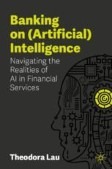
Banking on (artificial) intelligence : Navigating the realities of ai in financial services
Provides a tailored overview of what AI specifically means for financial services, a highly regulated yet also disrupted industry. it investigates the current state of AI applications in financial services today along with the state of funding and partnerships between tech and banking industries. it also examines the key pillars of responsible AI and the importance of keeping humans in the loop. the book takes a deep dive into the use cases in the financial services industry, the challenges and opportunities, and the fragmented regulatory landscape. how can we effectively assess risks, and balance innovation and customer centricity with trust in AI in financial services? can smaller organizations reap the benefits of the technology? how can institutions deploy AI responsibly and securely, and promote a fairer and more equitable future for more people?
