



الصفحة 1
الصفحة 1
Oilseeds
Genome Mapping and Molecular Breeding in Plants presents the current status of the elucidation and improvement of plant genomes of economic interest. The focus is on genetic and physical mapping, positioning, cloning, monitoring of desirable genes by molecular breeding and the most recent advances in genomics. The series comprises seven volumes: Cereals and Millets; Oilseeds; Pulses, Sugar and Tuber Crops; Fruits and Nuts; Vegetables; Technical Crops; and Forest Trees.

Invasive forest insects, introduced forest trees, and altered ecosystems : Ecological pest management in global forests of a changing world
Demand for timber and fibre continues to grow and is being met by increased reliance on plantation forestry. Many of the plantations that are being grown around the globe are non-native species that have characteristics of rapid growth and good commercial qualities. In some cases, the high rates of production are a result of the absence of native herbivore and diseases. This limited pest status is threatened as pest species move around the globe. At the same time there is concern about threats of these non-native plantation species on native communities and the impact of changing climates on forest productivity. This volume explores many of these issues for the first time.

Fruits and Nuts
Genome Mapping and Molecular Breeding in Plants presents the current status of the elucidation and improvement of plant genomes of economic interest. The focus is on genetic and physical mapping, positioning, cloning, monitoring of desirable genes by molecular breeding and the most recent advances in genomics. The series comprises seven volumes: Cereals and Millets; Oilseeds; Pulses, Sugar and Tuber Crops; Fruits and Nuts; Vegetables; Technical Crops; and Forest Trees. Fruits and nuts form the largest group among crop plants. Several constraints such as long life cycle, heterozygosity and large plant size caused comparatively slow research progress in the past. The chapters on 20 fruit and nut crops authored by 56 renowned scientists from 12 countries include for the first time comprehensive reviews on mango, banana, olive, pineapple, pistachio, persimmon and papaya. Other crops covered are apple, grape, cherry, plum, peach, pear, apricot, strawberry, raspberry, blueberry, almond, citrus and avocado.

Forest Trees
Genome Mapping and Molecular Breeding in Plants presents the current status of the elucidation and improvement of plant genomes of economic interest. The focus is on genetic and physical mapping, positioning, cloning, monitoring of desirable genes by molecular breeding and the most recent advances in genomics. The series comprises seven volumes: Cereals and Millets; Oilseeds; Pulses, Sugar and Tuber Crops; Fruits and Nuts; Vegetables; Technical Crops; and Forest Trees. Forest trees cover one third of the global land surface, constitute many ecosystems and play a pivotal role in the world economy. Despite their importance in the economy, ecology and environment, genetic analysis and breeding efforts have lagged behind. Presented here are chapters on Populus trees, pines, Fagaceae trees, eucalypts, spruces, Douglas fir and black walnut, and a first-ever detailed review of Cryptomeria japonica. Innovative strategies to address the inherent problems of genome analysis of tree species are thoroughly discussed.
Forest Diversity and Function : Temperate and Boreal Systems
One of the central research themes in ecology is evaluating the extent to which biological richness is necessary to sustain the Earth's system and the functioning of individual ecosystems. In this volume, for the first time, the relationship between biodiversity and ecosystem processes in forests is thoroughly explored. The text examines the multiple effects of tree diversity on productivity and growth, biogeochemical cycles, animals, pests, and disturbances.
Landscapes, Genomics and Transgenic Conifers
What is the future of genetically modified (or transgenic) conifer plantations? The content of this edited volume Landscapes, Genomics and Transgenic Conifers addresses this question directly - and indirectly - using language drawn from policy, forest history, genomics, metabolism, pollen dispersal and gene flow, landscape ecology, evolution, economics, technology transfer and regulatory oversight. Although the book takes its title from a Nicholas School Leadership forum held November 17-19, 2004 at Duke University, its de novo contents move past the forum’s deliberations. The result is a trans-disciplinary book composed of 14 chapters written by a total of 31 authors working in North America, South America, Europe and Africa.
Cereals and millets
Genome Mapping and Molecular Breeding in Plants presents the current status of the elucidation and improvement of plant genomes of economic interest. The focus is on genetic and physical mapping, positioning, cloning, monitoring of desirable genes by molecular breeding and the most recent advances in genomics. The series comprises seven volumes: Cereals and Millets; Oilseeds; Pulses, Sugar and Tuber Crops; Fruits and Nuts; Vegetables; Technical Crops; and Forest Trees.
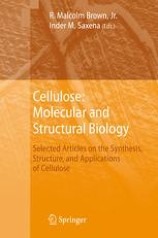
Cellulose : Molecular and Structural Biology : Selected Articles on the Synthesis, Structure, and Applications of Cellulose
Cellulose: Molecular and Structural Biology is an up-to-date treatise on the most advanced and provocative research into the biosynthesis, structure, and applications of nature’s most abundant macromolecule and renewable resource, cellulose.Molecular, biochemical, and evolutionary aspects of cellulose biosynthesis are reviewed in a variety of living organisms, including cyanobacteria, eubacteria, (Acetobacter, Salmonella, and E. coli), vascular plants (including Arabidopsis, forest trees, and maize), and tunicates.
