



الصفحة 1
الصفحة 1
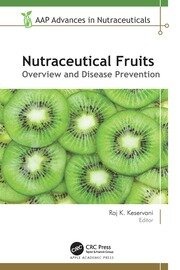
Nutraceutical fruits : Overview and disease prevention
While nutritional supplements have enormous advantages, food ingredients such as fruits and vegetables can play a significant preventative and therapeutic role in our daily lives. Fruits are found to have anti-inflammatory, antibacterial, antifungal, and chemopreventive properties that can boost health, as well as prevent diseases. This new book explores the use of fruits as nutraceuticals for alternative treatment, as well as for disease prevention. It looks at how nutraceutical fruits can be used to prevent and manage a range of diseases that include mental illness, cancer, respiratory and lung diseases, cardiovascular diseases, liver disease, inflammatory bowel diseases, sleep disorders, etc. The book also looks at the roles of nutraceutical fruits in the metabolic syndrome and provides information regarding the safety and toxicity of neutraceutical fruits.

Mycotoxins in Foodstuffs
Due to the serious spoilage and health issues the presence of mycotoxins can cause, it’s imperative that the food industry has a basic understanding fungi and their corresponding mycotoxins. An indispensable resource, Mycotoxins in Foodstuffs gives an in depth overview by listing the degree of contamination, concentration and country of origin/detection for each case of mycotoxin contamination for each commodity. In addition, the book shows whether or not food is predisposed for mycotoxin contamination.

Introduction to food chemistry
Bridges this gap in the relevant literature, as it employs the latest pedagogical theories in textbook writing to present the subject to students with broad range of cognitive skills. This book presents specific learning objectives for each chapter and is self-contained so students will not need to search for essential information outside the textbook. This new edition has been expanded to include chapters on sweeteners, glass transition, amino acids, proteins for major food commodities and food additives. All of the original chapters have been updated and expanded to include new research and technologies.

Functional Foods
Functional Foods Presenting cutting-edge information on new and emerging food engineering processes, Functional Foods, the second volume in the groundbreaking new series, “Bioprocessing in Food Science,” is an essential reference on the modeling, quality, safety, and technologies associated with food processing operations today.
Functional Biomaterials : Drug Delivery and Biomedical Applications
Explores in depth a wide range of functional biomaterials-based systems for drug, gene delivery, and biomedical aspects. The chapters cover newer technologies such as polymeric micelle, pH-responsive biomaterials, stimuli-responsive hydrogels, silk fibroin, inorganic biomaterials, synthetic biomaterials, 3D printed biomaterials, metallic biomaterials, ceramic and hybrid biomaterials. It also describes the theranostic approaches for cancer therapy, the biomaterials-based nanofibers scaffolds in tissue engineering, as well as the strategies applications of metallic biomaterials for the medical and dental prosthetic field.

Food chemistry : A laboratory manual
FOOD CHEMISTRY A manual designed for Food Chemistry Laboratory courses that meet Institute of Food Technologists undergraduate education standards for degrees in Food Science Every chapter offers introductory summaries of key methodological concepts and interpretations of the results obtained from food experiments. The book provides a supplementary online Instructor’s Guide useful for adopting professors that includes a Solutions Manual and Preparation Manual for laboratory sessions.

Essential oils as antimicrobial agents in food preservation
As the food industry responds to the increasing consumer demand for green, safe and sustainable products, it is reformulating new products to replace chemical synthetic food additives. Essential Oils as Antimicrobial Agents in Food Preservation provides a comprehensive introduction to the antimicrobial activity of plant essential oils and their application strategies in food preservation. It is aimed at food microbiology experts, food preservation experts, food safety experts, food technicians and students.

Development of trans-free lipid systems and their use in food products
Encompasses the work of leading researchers discussing, from a scientific and technological perspective, the latest and most innovative approaches to structure edible oils without the use of trans fats. Additionally, the authors discuss practical uses and technical limitations associated with the use of "structured edible oils" in different food systems. Appealing to researchers and professionals working in lipid science, food chemistry and fat metabolism, it fills the gap in the literature for a book in this fast-changing field.
Chemical and functional properties of food components
Described the contents of food raw materials and products, the chemistry/biochemistry of food components, as well as the changes occurring during post-harvest storage and processing affecting the quality of foods. Discusses the role of chemical compounds in the structure of raw materials and the formation of different attributes of food quality, including nutritional value, safety, and sensory properties. It contains four new chapters: “Non-Protein Nitrogenous Compounds”; “Prooxidants and Antioxidants in Food”; “Non-Nutritive Bioactive Compounds in Food of Plant Origin”; and “Analytical Methods Used for Assessing the Quality of Food Products.”
