



الصفحة 1
الصفحة 1
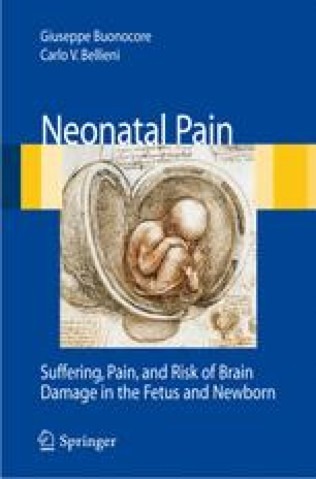
Neonatal Pain : Suffering, Pain and Risk of Brain Damage in the Fetus and Newborn
Until the 1980s it was denied that fetuses and neonates feel pain. With the advent of a deeper understanding of the pathophysiology and new diagnostic tools, the last 30 years have seen great developments in this field. This volume aims to give an overview of current knowledge in the field.

Multiple pregnancy
Multiple pregnancy affects 0.9-3.1% of births worldwide. Prevalence rates vary significantly due to differences in dizygotic twinning rates and use of assisted reproduction. Both maternal and fetal/neonatal complications are more common in multiple compared to singleton pregnancies, and there are specific problems for the fetuses related to monochorionicity. Multiple pregnancies require specialised and individualised care. Complicated multiple pregnancies should be managed in a tertiary care centre where there is additional expertise, such as the laser ablation needed to treat monochorionic monozygotic pregnancies with conjoined circulations. Cornerstones of management in pregnancy are the need for accurate fetal measurement to optimise dating of gestational age, and documentation of chorionicity. High-level ultrasound expertise is needed. The mothers need frequent assessment to detect hypertension and anemia, and early identification and management of preterm labour.

Mental health disorders in pregnancy and the early postpartum
Mental health disorders are common in pregnancy and after childbirth with over 10% of women manifesting some form of mental illness during this time. Maternity services will encounter women with symptoms that vary in severity from mild self-limiting to potentially life-threatening. These conditions carry risks for both the woman and the fetus/newborn. Detecting women with, or at risk of, a serious mental health disorder and enabling them to access appropriate care in a timely fashion is a shared responsibility. However, given the frequency of contact they have with women through this period, maternity services have a pivotal role. From a mental health perspective, high-risk pregnancies are those primarily associated with serious mental illness (psychotic illnesses, bipolar disorder and severe depressive episodes). Healthcare professionals caring for pregnant women should have the appropriate skills to detect serious mental illness and identify women at risk and how to access specialist mental health care.

Medical Law and Moral Rights
Medical Law and Moral Rights discusses live issue arising in modern medical practice. Do patients undergoing intolerable irremediable suffering have a moral right to physician-assisted suicide? Ought they to have a comparable legal right? Do the moral duties of a mother to care for and not abuse her child also apply to her fetus? Ought physicians to be permitted to refuse to provide medically futile treatment demanded by their patients? The author then advocates improvements in the law to make it respect our moral rights more fully. To justify his conclusions, he proposes original conceptions of the human rights to life, procreational autonomy, privacy, equitable treatment and personal security.

Immunology of Pregnancy
Reproductive Immunology is a growing area in both immunology and reproductive sciences and is helping us to better understand several complications of pregnancy. Immunology of Pregnancy is the first book to give a complete and up to date review of our knowledge related to the role of the immune system during pregnancy and the interactions between the placenta and the maternal immune system. This new title covers in detail all the different hypotheses and studies related to the immunology of implantation and provide a practical approach for the application of basic reproductive immunology research to pregnancy complications such as preeclampsia, pre-term labor and IUGR.

Handbook of genetic diagnostic technologies in reproductive medicine : Improving patient success rates and infant health
Different genetic diagnostic and treatment options are used worldwide to improve routine IVF procedures for the benefit of patients. This handbook updates the new genetic diagnostic technologies that have been translated to the clinic, aiming to improve outcomes in the clinic and result in a healthy baby in the home. Chapters cover the use of genetic technologies in a personalized manner to unravel the possible genetic risks for the couple wishing to conceive, in terms of sperm, the embryo, the endometrium, miscarriage, and finally the fetus.

Gastrointestinal Tract Sonography in Fetus and in Children
Sonography of the gastrointestinal tract in fetuses, neonates and children entails no known biological risk, permits serial scanning and can provide information unobtainable with any other imaging modality. In experienced hands it can be used as the initial imaging technique in a number of gastrointestinal diseases and conditions. This book provides a comprehensive account of the current state of the art regarding sonography in this context.

Fetus abnormalities relating drug
Drugs use in pregnancy remains a major public health problem. Fetal teratogenicity results from the effect of these substances during fetal development, particularly when used in combination. Approximately 3-5% of live births are complicated by a birth defect each year totaling around 120,000 babies. Additionally, more women taking any kind of medication has more than doubled in the last 30 years. Current evidence suggests that between 65%-94 % of women take at least one prescription drug during pregnancy. Nearly 70% of women are taking a medication in the first trimester during organogenesis. On average, women are taking 3 medications in pregnancy with over 50% of women using four or more. This includes over the counter medications and herbal supplements. During pregnancy, drugs are often required to treat certain disorders.

Fetal compromise in labor
Sixty years ago, the purpose of introducing electronic fetal heart rate monitoring (EFM) was to reduce the incidence of intrapartum stillbirth. However, by the early 1980s, with falling stillbirth rates, fetal blood sampling had been widely abandoned, as many considered that EFM was sufficient on its own. Unfortunately, while the sensitivity of EFM for the detection of potential fetal compromise is high, specificity is low, and there is a high false positive rate which has been associated with a rising cesarean section rate. The authors suggest that EFM is considered and analyzed as a classic screening test and not a diagnostic test. Furthermore, it requires contextualization with other risk factors to achieve improved performance. A new proposed metric, the Fetal Reserve Index, takes into account additional risk factors and has demonstrated significantly improved performance metrics. It is going through the phases of further development, evaluation, and wider clinical implementation.

Fetal and Neonatal Pathology
The book presenting the same practical approach to the examination of both fetuses and perinatal deaths. It provides essential clinical and pathophysiological information and discusses the pathogenesis of abnormalities as a basis for appropriate methods of investigation. Part 1 deals with the examination of the products of conception after the termination of pregnancy for fetal anomalies. The range of pathological abnormalities is described and their relevance discussed. Special attention is paid to the differences in pathological findings of specific conditions between the second and third trimesters. Part 2 is organised by system, describing and illustrating those pathological problems which are likely to be encountered in the fetus and neonate. Each chapter is introduced by a concise account of the development of the relevant system. There is also a discussion, as appropriate, of changes at birth as well as changes in normal function that may occur during the neonatal period.
Endoscopic Surgery in Infants and Children
This book represents the state of the art of endoscopic surgical techniques, which are thoroughly described and well illustrated with drawings and photographs.

Echocardiographic Anatomy in the Fetus
With recent advances in ultrasound systems, storing multiple digital frames and clips with superb image quality has become a reality. These advances have brought innovative applications into the clinical field and can be integrated into powerful multimedia presentations for teaching purposes.

Crib Death : Sudden Unexplained Death of Infants : The Pathologist's Viewpoint
A systematic study of the autonomic nervous system and cardiac system has been performed on a large number of infants and fetuses who died suddenly and unexpectedly, as well as in age-matched control cases. The neurological and cardiac findings are described here, and the relationship between SIDS and unexplained fetal death is discussed.

Congenital torch infections : torch panel
TORCH is a group of infections that can be passed from the pregnant mother to her fetus through the placenta. TORCH, includes Toxoplasmosis, Other (syphilis, varicella-zoster, parvovirus B19, Hepatitis B), Rubella, Cytomegalovirus (CMV), and Herpes infections are some of the most common infections associated with congenital anomalies. Most of the TORCH infections have serious fetal consequences and there has no impact on fetal outcome. In the present article, we wanted to discuss about the causative agents/organism, mode of infection, symptoms, treatment, vaccination, available molecular biological techniques and public awareness regarding this infection, Our objective in this project is to assess the awareness of and knowledge about mother-to-child infections and prevention

Congenital infections : Toxoplasmosis and rubella
Torch syndrome is caused by a uterine infection with one of the factors that cause Torch syndrome, which disrupts the development of the fetus. Torch syndrome can be prevented by treating the infected pregnant woman, and thus preventing transmission of the infection to the fetus. And some of the factors that cause Torch Syndrome can give the mother permanent immunity, preventing the arrival of the disease and thus fetal malformations. They include a group of symptoms caused by a congenital infection such as toxoplasmosis, rubella, CMV and herpes, or due to other organisms such as syphilis, small viruses, and varicella zoster virus. The Toxoplasma parasite and the rubella virus can provide lasting immunity if the mother was infected before pregnancy in both or if she was vaccinated before pregnancy in Rubella.

Color Atlas of Gross Placental Pathology
Careful evaluation of the placenta can often give much insight into disorders of pregnancy in the mother and fetus. The techniques of gross placental examination are not difficult, but a systematic approach is necessary to be complete. It is designed to aid in the careful and thorough gross examination of the placenta by providing an illustrated manual of examination that includes normal variations, abnormal findings, as well as unusual pathology. This Atlas contains 186 illustrations, 154 in color.

Chemotherapy and pharmacology for leukemia in pregnancy : Guidelines and strategies for best practices
The book addresses a broad range of subjects, including: pregnancy and its characteristics; staging, pathology, morbidity and what to expect in each type of leukemia; chemotherapy for leukemia in pregnant women with complete trials; dose adjustment of chemotherapy for leukemia in pregnancy based on serum dosages; and pharmacokinetics and pharmacodynamics for this unique group of patients. In turn, subsequent chapters focus on protecting the fetus and neonatal management regarding chemotherapy for leukemia in pregnancy, including the treatment and risks for the fetus (for each type of leukemia), intrathecal therapy and its effects on the fetus; supportive drugs, antibiotics and antifungals for pregnant patients during chemotherapy, including intervention and dose adjustments; palliative care for women with leukemia in pregnancy; breastfeeding during treatment for leukemia; pharmacological aspects of supplements, vitamins and nutrition in pregnancy during leukemia treatment; and more.
Cancer and Pregnancy
This book is written by experts with clinical expertise on diagnosis, treatment, and follow-up of women with cancer during pregnancy. It provides a comprehensive review of data and an overview of psychological, ethical, and social aspects.
Caesarean section delivery
It is the most common surgical operation performed in the world. Since first described 400 years ago, surgical rates continue to rise globally. Caesarean rates are now reported from South American countries of over 50% and rates of over 32% are currently being reported from the United States, China, England and Scotland. Surgical complications can occur at the time of operation and there are major implications for future pregnancies, including increased rates of placenta previa/accreta, stillbirth and preterm labour. This Element discusses many aspects of CD, including the Robson 10 group classification system, which classifies populations by characteristics such as parity, presentation of the fetus and the history of previous births, an evidencebased approach to surgical techniques, recommendations of the major guidelines and recommendations concerning trial of labour after previous caesarean.
