



الصفحة 1
الصفحة 1

Mini-Micro Fuel Cells : Fundamentals and Applications
This volume contains an archival record of the NATO Advanced Institute on Mini – Micro Fuel Cells – Fundamental and Applications held in Çesme – Izmir, Turkey, July 22–August 3, 2007. The ASIs are intended to be a high-level teaching activity in scientific and technical areas of current concern. In this volume, the reader may find interesting chapters on Mini- Micro Fuel Cells with fundamentals and applications. In recent years, fu- cell development, modeling and performance analysis has received much attention due to their potential for distributed power which is a critical issue for energy security and the environmental protection.
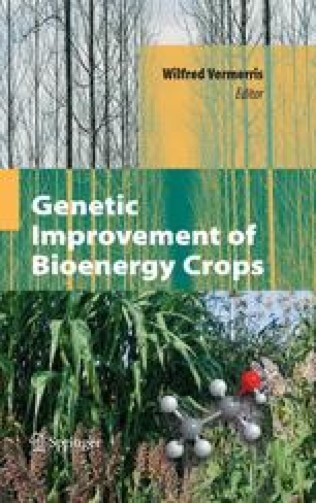
Genetic Improvement of Bioenergy Crops
This book presents an overview of the major bioenergy crops that can be used for the production of biomass and ethanol, with a focus on their genetic improvement. In order to maintain focus, biodiesel and the genetic improvement of oil crops are not covered. The available genetic resources are largely untapped and offer major opportunities to significantly enhance the contribution of bioenergy, while addressing many of the economic and ecological concerns.

Fuel cell technologies : State and perspectives ; Proceedings of the NATO advanced research workshop on fuel cell technologies: State and perspectives, Kyiv, Ukraine from 6 to 10 June 2004.
This book has brought together a team of world-renowned experts in all aspects of fuel cell development for both SOFC and PEM in a workshop environment. The workshop held between June 6–10, 2004 was held in the capital city of the Ukraine, Kiev. The reason for the venue was that Ukraine is the third largest resource of zircon sands, a major source of material for the solid oxide fuel cell. Ukraine is looking at undertaking a very large effort in the solid oxide fuel cell arena, and hopes, one day, to be an international player in this market, and this book is an outcome from the workshop. The book focuses on the issues related to fuel cells, particularly the state-of-the-art internationally, the issues that were of particular interest for getting fuel cells fully commercialized, and advances in fuel cell materials and technology. The focus was on all types of fuel cells, but the emphasis was particularly on solid oxide fuel cells (SOFC), due to their importance to the host country. The book is an essential reference to researchers, academics and industrialists interested in up-to-date information on SOFC and PEM development.

Fuel Cell Electronics Packaging
Today's commercial, medical and military electronics are becoming smaller and smaller. At the same time, these devices are packed with more functions and demand more power. This power requirement is currently met almost exclusively by battery power. A fuel cell is like a battery converting chemical energy directly to electricity. The convergence of fuel cell technology and microelectronics is enabling the new design and manufacturing of fuel cells.Fuel Cell Electronics Packaging presents the latest developments in the technology convergence of microelectronics and fuel cells. Using the well established manufacturing methods used in microelectronics packaging, fuel cells can be further fabricated in smaller sizes with higher energy density, at a faster pace and lower cost.

Extracting Methods of Essential laurel oil and Fixed oil, Their effects on bacteria
Laurus nobilis is an evergreen plant belonging to the Lauraceae family, native to Southern Europe and the Mediterranean area. This is the report on the composition and bioactivity of laurel essential oil (EO) from leaves and extraction essential oil by two solvents (water and ethanol 69%) using by two devices (Clevenger and evaporator) then we apply the effect of oil and extract on the bacteria. there are some differences between the extraction by water and ethanol . The antibacterial properties of laurel EOs were examined according to the agar well diffusion method The leaf EO showed antibacterial activities against almost all strains of the microorganisms tested, whereas the twig EO was only able to inhibit Staphylococcus aurous and Escherichia coli were the bacterial strains that showed the highest resistance to the laurel EO. The results can benefit the EO industry and bio pesticide development.

Drugs and Poisons in Humans : A Handbook of Practical Analysis
At the beginning of the book, general topics are addressed, including instructions on h- dling biological materials, measurement of drugs in alternative specimens, and guidance on resolving analytical problems that may occur. T ere are discussions of extraction modalities and detection methodologies and how to select these appropriately based on the physioche- cal characteristics of the drug. Analysis of specif c classes of drugs and relevant metabolites are covered in subsequent chapters.

Criminal Poisoning : Investigational Guide for Law Enforcement, Toxicologists, Forensic Scientists, and Attorneys
Investigational Guide for Law Enforcement, Toxicologists, Forensic Scientists, and Attorneys, leading forensic scientist John Trestrail offers a pioneering survey of all that is known about the use of poison as a weapon in murder. Topics range from the use of poisons in history and literature to convicting the poisoner in court, and include a review of the different types of poisons, techniques for crime scene investigation, and the critical essentials of the forensic autopsy. The author updates what is currently known about poisoners in general (psychological profile, types, and statistical analyses) and their victims (who gets poisoned, investigative considerations, and classic symptoms of poisoning).

Biotechnology for the Future
One area that has attracted much attention is the use of cell factories for the production of a wide range of chemicals. This area illustrates very well the definition of biochemical engineering , and it has therefore been chosen as the focus of this volume. The use of cell factories for production of chemicals dates back to the production of penicillin, ethanol, acetone–butanol, glycerol and further to enzymes and other antibiotics. All these products were traditionally produced by cell factories that naturally produce these compounds. With the introduction of genetic engineering it has,This volume therefore contains chapters on concepts of metabolic engineering on detailed modeling of cellular systems
Biotechnology for Fuels and Chemicals : The Twenty-Ninth Symposium
In Biotechnology for Fuels and Chemicals: The Twenty-Ninth Symposium, leading US and international researchers from academia, industry, and government exchange cutting-edge technical information and update current trends in the development and application of biotechnology for sustainable production of fuels and chemicals. This symposium emphasizes advances in biotechnology to produce high-volume, low-price products from renewable resources, while improving the environment. The major areas of interest include advanced feedstock production and processing, enzymatic and microbial biocatalysis, bioprocess research and development, opportunities in biorefineries, and commercialization of biobased products. International and domestic progress on producing liquid biofuels, especially ethanol and biodiesel, is highlighted, and related topics, including bioseparations and optimal integration of biochemical and thermochemical conversion technologies, are featured.

Biofuels, Solar and Wind as Renewable Energy Systems : Benefits and Risks
With shortages of fossil energy, especially oil and natural gas, and heavy biomass energy use occurring in both developed and developing countries, a major focus has developed worldwide on renewable energy systems. Renewable energy systems include wind power, biomass, photovoltaics, hydropower, solar thermal, thermal ponds, and biogas. Currently, a heavy focus is on biofuels made from crops, such as corn, sugarcane, and soybeans, for use as renewable energy sources. Wood and crop residues also are being used as fuel. Though it may seem beneficial to use renewable plant materials for biofuel, the use of crop residues and other biomass for biofuels raises many concerns about major environmental problems, including food shortages and serious destruction of vital soil resources.

Biofuels
In line with the current focus on a sustainable economy, bioethanol and other biofuels have received tremendous attention, making many headlines. Being produced in steadily growing volumes has made it necessary to consider production of biofuels from renewable raw materials that are not currently used. Therefore, the production of biofuels is at the gateway of moving from traditional raw materials to others such as lignocellulosic materials. However, sucha transfer requires new production processes that are economically feasible.This volume addresses and discusses the current status of biofuels, covering aspects from enabling technologies to different technology and processes options, as well as economical and policy perspectives.

Biodiesel : A realistic fuel alternative for diesel engines
Environmental and political concerns are generating a growing interest in alternative engine fuels such as biodiesel. Biodiesel is a renewable energy source produced from natural oils and fats, which can be used as a substitute for petroleum diesel without the need for diesel engine modification. In addition to being biodegradable and non-toxic, biodiesel is also essentially free of sulfur and aromatics, producing lower exhaust emissions than conventional gasoline whilst providing similar properties in terms of fuel efficiency.

Antibacterial effects of Algae
An alarm increase in the rate of emerging of resistance bacteria have been causing a great public concern worldwide. This problem of increasing resistance has necessitated the search for safe and effective factors that may be used to treat persistent bacterial infections or modify the currently available antibiotic. This study deals with the antimicrobial potential assessment of ulva flexuosa , ulva flexuosa was collected from at MAZAR ELKHODER. Crude organic extracts were prepared using methanolic and chloroformic extract and tested against 6 indicator microorganisms using the disk diffusion method and also applied against biofilm ( dental plaque).

A Biomass Future for the North American Great Plains : Toward Sustainable Land Use and Mitigation of Greenhouse Warming
The Great Plains of North America is a major global breadbasket but its agriculture is stressed by drought, heat spells, damaging winds, soil erosion and declining ground water resources. This book explores the possibility that the ecology and economy of the Plains region (and similar regions) would benefit from the introduction of perennial biomass crops. Biomass production and processing on the Plains (possibly aided by genetic engineering) would partially restore a perennial vegetative cover and create new employment opportunities. Biomass also offers a means of reducing fossil fuel use, providing fuel to local power plants and a feedstock for production of cellulosic ethanol, a gasoline substitute. Interest in biofuels is growing rapidly in public, political and business circles with rising fossil fuel prices and because of a growing recognition of the need for energy independence in petroleum importing countries.
