



الصفحة 1
الصفحة 1

Insulating Modernism : Isolated and Non-Isolated Thermodynamics in Architecture
What is the best way to achieve sustainable energy savings in buildings? This book describes the history, theory and facts of the mainstream insulation technology and the emerging alternative design approaches.

Cost-effective energy efficient building retrofitting : Materials, technologies, optimization and case studies
The building sector is responsible for high energy consumption and its global demand is expected to grow as each day there are approximately 200,000 new inhabitants on planet Earth. The majority of electric energy will continue to be generated from the combustion of fossil fuels releasing not only carbon dioxide, but also methane and nitrous oxide. Energy efficiency measures are therefore crucial to reduce greenhouse gas emissions of the building sector. Energy efficient building retrofitting needs to not only be technically feasible, but also economically viable. New building materials and advanced technologies already exist, but the knowledge to integrate all active components is still scarce and far from being widespread among building industry stakeholders.
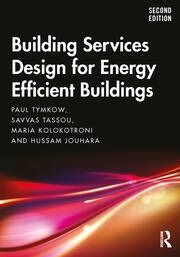
Building Services Design for Energy Efficient Buildings
"The following issues are addressed: background issues on climate change, whole-life performance and design collaboration / generic strategies for energy efficient, low-carbon design / health and wellbeing and post occupancy evaluation / building ventilation / air conditioning and HVAC system selection / thermal energy generation and distribution systems / low-energy approaches for thermal control / electrical systems, data collection, controls and monitoring / building thermal load assessment / building electric power load assessment / space planning and design integration with other disciplines."

A Handbook of Sustainable Building Design and Engineering : An Integrated Approach to Energy, Health and Operational Performance
Equips students with the tools they will need to tackle the challenges of sustainable building design and engineering. The book looks at how to design, engineer and monitor energy efficient buildings, how to adapt buildings to climate change, and how to make buildings healthy, comfortable and secure. New material for this edition includes sections on environmental masterplanning, renewable technologies, retrofitting, passive house design, thermal comfort and indoor air quality. With chapters and case studies from a range of international, interdisciplinary authors, the book is essential reading for students and professionals in building engineering, environmental design, construction and architecture
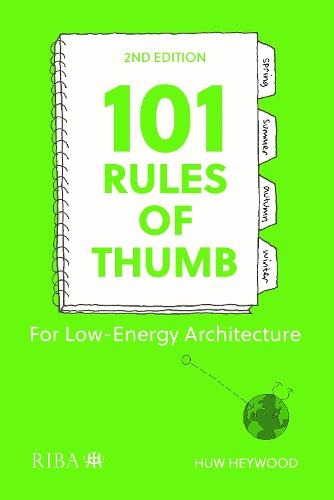
101 rules of thumb for low energy architecture
Sets out the essential elements of low-energy architecture in a fresh, intuitive way. Where ever-changing technology and complex legislation can cloud the designer’s thought-process, this book equips you with the fundamentals you need to minimise CO2 emissions, design for low-energy use and work with, not against, the forces of nature.
