



الصفحة 1
الصفحة 1
Introduction to basics of pharmacology and toxicology ; Vol.3 : Experimental pharmacology : Research methodology and biostatistics
Elaborates on the general principles of experimental pharmacology. Describes about the screening methods for the evaluation of different categories of drugs. Summarizes the various aspects of research methodology and biostatistics.

Imaging in Drug Discovery and Early Clinical Trials
Efficient tools for the selection and validation of drug targets both at the preclinical and clinical level are required. Non-invasive imaging and in particular molecular imaging methods are becoming essential technologies to support drug discovery and dvelopment. Imaging provides structural, functional, metabolic and molecular readouts that are being applied to characterize a disease phenotype (diagnosis), to elucidate molecular mechanisms involved, to evaluate drug efficacy and safety, and to identify potential biomarkers of the drug's mechanism-of-action, efficacy and safety. Non-invasive imaging techniques constitute a bridge between preclinical and clinical drug evaluation. In this monograph the contribution of imaging modalities to the various stages of drug discovery and development, from early target validation to their use in clinical development programs, is described. Chapters are devoted to the description of the drug discovery process as such, to the various imaging modalities being used both preclinically and clinically, to applications of imaging during the optimization of a lead compound (addressing issues such as bioavailability and efficacy) and during the drug safety evaluation.

Essentials of pharmacodynamics and drug action
Provides a comprehensive exploration of the dynamic field of pharmacology and its fundamental principles. It delves into the intricate interactions between drugs and the human body, focusing on pharmacokinetics, which explains the dynamics of drug actions in the body, and pharmacodynamics, which uncovers the mechanisms through which drugs exert their effects. The book also emphasizes the crucial aspects of therapeutics and gene-based therapy, shedding light on modern approaches to disease treatment.

Drugs and a methodological compendium : From bench to bedside
Provides a meticulous view on methodological drug discovery and development insights from bench to bedside. Focus on computational modus operandi, pharmacological optimization approaches, modern high-throughput screening methods and in-vitro procedures, role of structural biologists in drug discovery and development, medicinal chemistry approaches for drug design, formulation and drug delivery, in-vivo evaluations of candidate molecules, clinical trial procedures and others. Covers specific case studies, regulatory approval proceedings, and industrial view point alongside the aforementioned conceptual layout. And at the same time, the volume integrates medical, biological, medicinal, pharmacological and computational streams, and it is suggested as an ideal guideline to a wide audience including molecular biologists, biochemist, pharmacologists, medicinal chemist, toxicologists, drug discovery and development researchers, and all other students interested in these disciplines.

Drug-Induced Oral Complications
Provides detailed information on the prevalence and manifestations of the most important oral complications associated with different drug treatments, focusing especially on recently developed therapies. Among the diverse adverse drug reactions covered are gingival overgrowth, ulcerations, lichenoid reactions, pigmentation, and bullous reactions. The potential direct toxic effects on bone of drugs that prevent bone mass loss, such as bisphosphonates and denosumab, are fully examined, as is the occurrence of spontaneous oral bleeding in patients receiving antithrombotic therapies. Further chapters focus on drug-induced taste disorders and salivary gland disturbances, including xerostomia, swelling, and hypersalivation. The enhanced risk of oral infections when using chemotherapy and biotherapy is addressed, and the closing chapter examines drug-related perioral and facial complications. This book is a collaborative work that brings together clinicians, surgeons, and specialists in drug safety surveillance.

Drug safety evaluation : Methods and protocols
Focuses on the most recent advances in the field of drug safety evaluation. Divided into seven parts, chapters detail specific aspects related to the experimental design of preclinical studies conducted to support the safety of pediatric and combination drugs, necropsy and histopathology evaluation, mass spectrometry imaging, genetic toxicology protocols including the Pig-a mutation assay, safety pharmacology methods such as automatization of patch-clamp procedures, target safety assessment for investigative toxicology, screening assays for developmental toxicology, and methods to characterize novel translational safety biomarkers like microRNAs. Written in the highly successful Methods in Molecular Biology series format, chapters include introductions to their respective topics, lists of the necessary materials and reagents, step-by-step, readily reproducible laboratory protocols, and tips on troubleshooting to avoid known pitfalls.

Drug safety evaluation
Presents an all-inclusive practical guide for those who are responsible for developing new drugs and ensuring the safety of an ever-expanding spectrum of therapeutics. This book helps readers understand how the safety of these products are evaluated for use. Extensively revised to reflect up-to-date information, this edition includes changes to the scope of products (vaccines, small synthetic, large protein moieties, cells and tissues), harmonized global and national regulatory requirements, the therapeutic development process, and available technologies to identify and evaluate the relevance of potential patient risks
Cancer drug safety and public health policy : A changing landscape
Description and analysis of recent developments and current trends in health policy with regard to cancer drug safety. Opens with an overview of pharmacovigilance for cancer blockbuster drugs, covering both general considerations and efforts to develop a structured framework for the identification and reporting of adverse drug reactions (ADRs). A number of important examples of serious ADRs to hematology and oncology drugs are then reviewed, with evaluation of the lessons learned and the policy implications of the ensuing legal cases and their settlements. Further, the difficulty of reporting such blockbuster side effects in the medical literature is explored in an empirical study. Significant advances have been achieved in analytic methods for the identification of ADRs, and here there is a particular focus on the value of optimal discriminant analysis. Finally, the impacts on pharmacovigilance and drug safety of the huge fines paid under the U.S. False Claims Act relating to the defrauding of governmental programs also receive careful attention – these fines are playing an important role in changing the landscape for pharmaceutical safety.
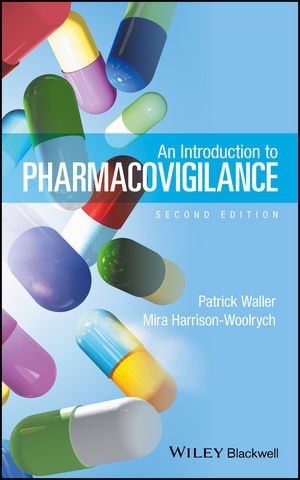
An introduction to pharmacovigilance ; 2nd ed.
Designed to aid the rapid understanding of the key principles of pharmacovigilance. Packed full of examples illustrating drug safety issues it not only covers the processes involved, but the regulatory aspects and ethical and societal considerations of pharmacovigilance. Covering the basics step-by-step, this book is perfect for beginners and is essential reading for those new to drug safety departments and pharmaceutical medicine students. The second edition is thoroughly revised and updated throughout and includes a new chapter on clinical aspects of pharmacovigilance.

A short guide to clinical pharmacokinetics
Consists of seven chapters that cover various aspects of pharmacokinetics and its clinical applications. The chapters are structured to provide clear objectives and keywords are bolded throughout the text to facilitate understanding. The topics covered include the significance of pharmacokinetics in clinical practice, factors affecting pharmacokinetic parameters, pharmacokinetic drug interactions, therapeutic drug monitoring, dosage adjustment in different population groups, the influence of hepatic diseases on pharmacokinetics and the impact of pharmacogenomics on pharmacokinetics and pharmacodynamics.
