



الصفحة 1
الصفحة 1

Modern tools and methods of water treatment for improving living standards ; Proceedings of the NATO Advanced Research Workshop on modern tools and methods of water treatment for improving living standards, Dnepropetrovsk, Ukraine, November 19-22, 2003
In 2001, one in seven of the water samples taken from Ukrainian industrial and drinking water supply systems did not meet sanitary-hygienic standards, and one in twelve did not meet microbiological standards.
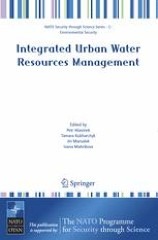
Integrated Urban Water Resources Management
Growing populations and rising standards of living exert stress on water supply and the quality of drinking water. In wastewater management, new challenges are caused by new chemicals of concern, including endocrine disrupters, pharmaceuticals, hormones, and personal care products, which often pass through wastewater treatment plants unabated, but may cause serious impacts on receiving aquatic ecosystems. Advanced wastewater treatment leads to production of biosolids, which are processed in various ways, including on-land applications in agriculture. Municipal effluents, combined with increasing withdrawals of water, lead to the worsening of receiving water quality. Expert opinions indicate that the only way to deal with the current urban water management dilemmas is by integrated management and innovative delivery of water services. This book presents important aspects of Challenges in Management of Urban Water Resources, Challenges in Urban Water Supply, Urban Drainage and Water Bodies, Wastewater Treatment and Security, and Wastewater Treatment and Reuse.

Globalization and Summit Reform : An Experiment in International Governance
This account of the 'L-20 project' describes and analyses a 3-year mobilization designed as an alternative to the political deadlocks preventing progress on critical global issues. The L-20 would include leaders from the existing G-countries, augmented by key regional powers such as China, Brazil, India, South Africa and Egypt. The book traces the origins and findings of the project, which generated a broad array of cutting-edge research and over twenty substantive, action-oriented workshops involving hundreds of experts and practitioners around the world. The workshop series examined in detail the operational possibilities for a Leaders Group addressing a range of issues, including infectious disease control, climate change/global warming, energy security, nuclear proliferation, management of international financial crises, and the provision of safe drinking water and sanitation, to name just a few.

Fuel Oxygenates
purpose of this series on Environmental Chemistrytherefore, is to present a reasonably uniform view of various aspects of the chemistry of the environment and chemical reactions occurring in the environment. The industrial activities of man have given a new dimension to Envir- mental Chemistry. We have now synthesized and described over ?ve million chemical compounds and chemical industry produces about hundred and ?fty million tons of synthetic chemicals annually. We ship billions of tons of oil per year and through mining operations and other geophysical modi?cations, large quantities of inorganic and organic materials are released from their natural deposits.
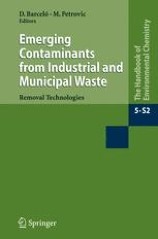
Emerging Contaminants from Industrial and Municipal Waste : Removal Technologies
This book focuses on innovative treatment technologies for the elimination of emerging contaminants from wastewater and drinking water. The respective treatment processes, such as membrane bioreactors, photocatalysis, ozonation and advanced oxidation are dealt with in detail. The book also discusses sources and occurrence of emerging contaminants in municipal and industrial waste, giving a concise and critical overview of state-of-the-art analytical methods for their identification. Further important aspects covered by the book include the acute and chronic effects and overall impact of emerging contaminants on the environment.

Emerging Contaminants from Industrial and Municipal Waste : Occurrence, Analysis and Effects
This book focuses on innovative treatment technologies for the elimination of emerging contaminants from wastewater and drinking water. The respective treatment processes, such as membrane bioreactors, photocatalysis, ozonation and advanced oxidation are dealt with in detail. The book also discusses sources and occurrence of emerging contaminants in municipal and industrial waste, giving a concise and critical overview of state-of-the-art analytical methods for their identification. Further important aspects covered by the book include the acute and chronic effects and overall impact of emerging contaminants on the environment.

Cyanobacterial Harmful Algal Blooms : State of the Science and Research Needs
Humans can be exposed to cyanobacterial toxins by drinking water that contains the toxins, swimming in water that contains high concentrations of cyanobacterial cells, or breathing air that contains cyanobacterial cells or toxins (while watering a lawn with contaminated water, for example). Health effects associated with exposure to high concentrations of cyanobacterial toxins include: - stomach and intestinal illness; -trouble breathing; - allergic responses; - skin irritation; - liver damage; and neurotoxic reactions, such as tingling fingers and toes. Scientists are exploring the human health effects associated with long-term exposure to low levels of cyanobacterial toxins. Some studies have suggested that such exposure could be associated with chronic illnesses, such as liver cancer and digestive-system cancer. This monograph contains the proceedings of the International Symposium on Cyanobacterial Harmful Algal Blooms held in Research Triangle Park, NC, September 6-10, 2005.
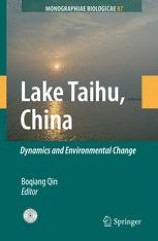
Lake Taihu, China : Dynamics and Environmental Change
There are many shallow lakes in the world. Many of them play an important socio-economic role as contributors to the drinking water supply, in flood attenuation, fisheries and recreation activities. Because of the current anthropogenic changes in the environment, such lakes rapidly respond to eutrophication and swamping. It is often hard to address these issues because many changes in the ecosystems of shallow lakes are associated with little studied physical processes. This interaction between the aquatic biota and the physical and chemical environment increases the complexity of shallow lake ecosystems. Lake Taihu, located in the delta of Yangtze River, is a typical large, shallow eutrophic lake with area of 2338 km2 and maximum depth of less than 3m . This book provides basic data on various aspects of this lake and summarizes research work on the interaction between its ecology and physical limnology. It will be a reference for teachers and students of freshwater ecology and biology, the aquatic environment in general, and, most strikingly, for all those interested in physical limnology.
