



الصفحة 1
الصفحة 1

Mediterranean Island Landscapes : Natural and Cultural Approaches
Mediterranean islands exhibit many similarities in their biotic ecological, physical and environmental characteristics. There are also many differences in terms of their human colonization and current anthropogenic pressures. This book addresses in three sections these characteristics and examines the major environmental changes that the islands experienced during the Quaternary period. The first section provides details on natural and cultural factors which have shaped island landscapes. It describes the environmental and cultural changes of the Holocene and their effects on biota, as well as on the current human pressures that are now threats to the sustainability of the island communities. The second section focuses on the landscapes of the largest islands namely Sicily, Sardinia, Corsica, Cyprus, Crete, Malta and the Balearics. Each island chapter includes a special topic reflecting a particular characteristic of the island. Part three presents strategies for action towards sustainability in Mediterranean islands and concludes with a comparison between the largest islands.

Internal Crowdsourcing in Companies : Theoretical Foundations and Practical Applications
This book examines the implications of internal crowdsourcing (IC) in companies. Presenting an employee-oriented, cross-sector reference model for good IC practice, it discusses the core theoretical foundations, and offers guidelines for process-management and blueprints for the implementation of IC. Furthermore, it examines solutions for employee training and competence development based on crowdsourcing.
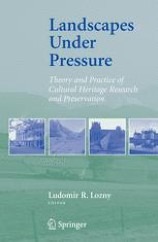
Landscapes Under Pressure : Theory and Practice of Cultural Heritage Research and Preservation
This book investigates the newly emerging scope of interests and project agendas to investigate and preserve cultural landscapes. It presents the historic, archaeological, ethnographic, and environmental traditions of cultural landscape study and the attempts to reconstruct and analyze the complex processes of cultural changes through prehistoric and historic times.The "guiding light" of the book is that the fullest understanding of a cultural landscape will materialize through interdisciplinary cooperation, which should involve an ecological approach with historical ecology as the guiding tool, applied archaeology, and environmental planning.
